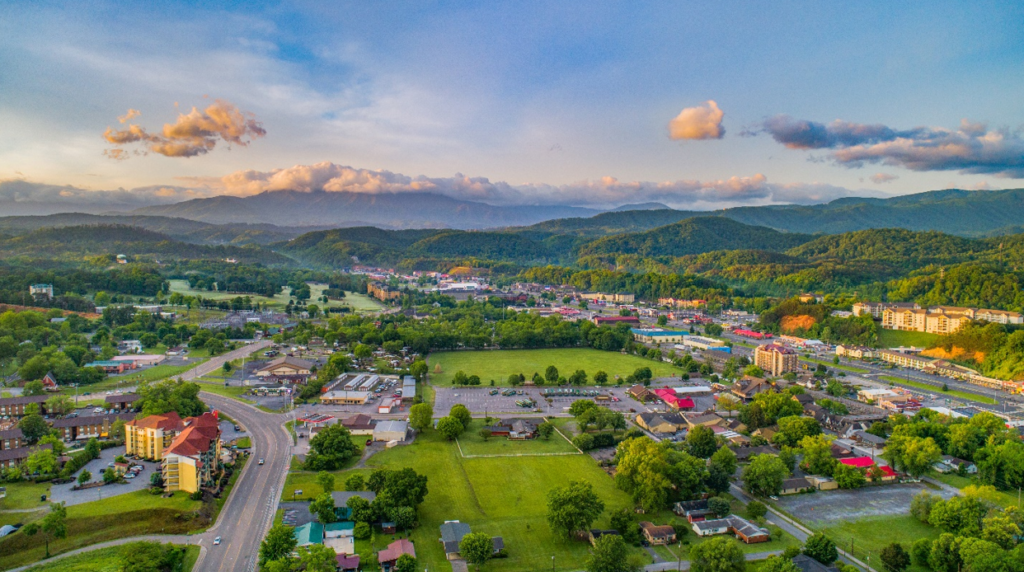
You can answer emails from a cabin porch and still feel at work. The mountains stay quiet, but your inner pace doesn’t. A new view changes scenery, not the habits you carried in.
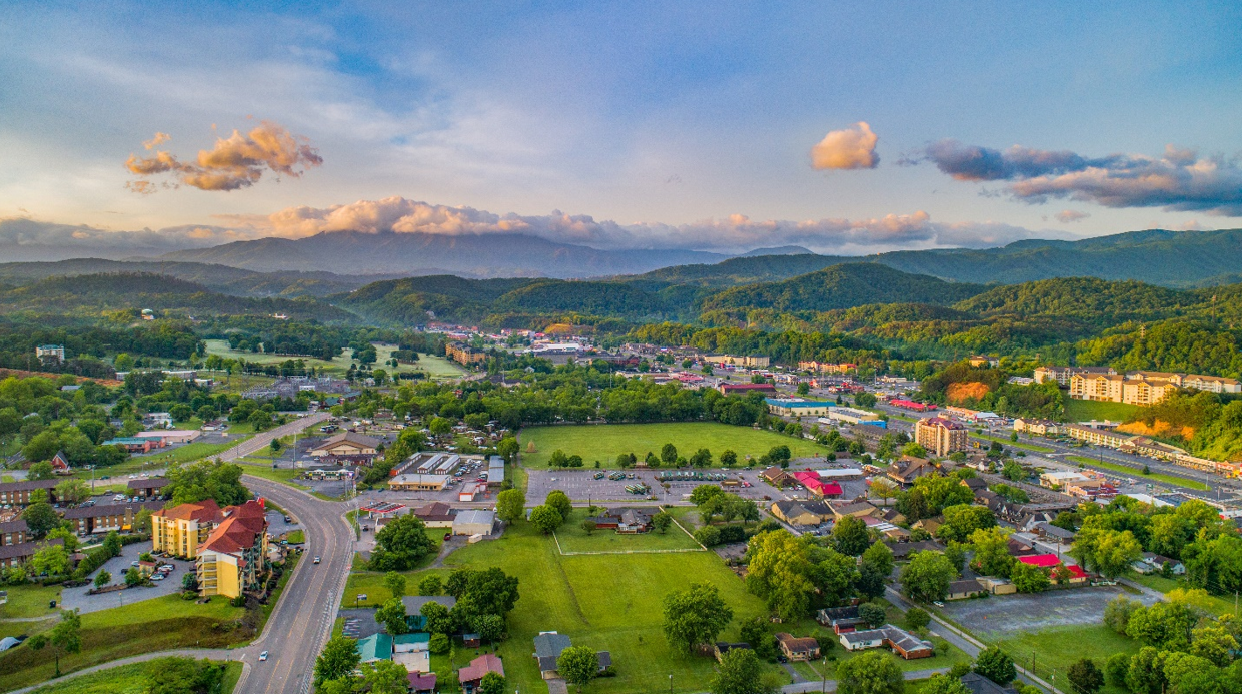
Pigeon Forge shows that contrast clearly. Most people come for the shows, the mountain views, the busy strip of attractions, and yes, the oversized breakfasts. It delivers on all of that. What often goes unnoticed, though, is how easy it is to shift gears once you’re there. After a day or two, when sitting still starts to feel strange, the town quietly opens up in a different way. Open hillsides, hands-on attractions, and spaces built for movement are right there, almost hiding in plain sight. The real surprise isn’t the entertainment. It’s how naturally the trip can turn active.
The Comfort Trap of a Mountain Getaway
Most mountain trips fall into an easy loop: sleep in, eat big, browse shops, maybe walk a short trail, then sit again. It’s comfortable. And comfort feels earned. But after months of desk work and screen time, total stillness can feel off. The first slow day is nice. By the second, your body starts asking for motion. Travel habits have shifted quietly. People claim they want rest, yet they sign up for climbs, rafting, or something that gets the heart going. Views are pleasant. Doing something slightly hard sticks longer. The quiet ends up revealing how little we move at home.
Where Outdoor Energy Changes the Experience
There’s a point in most vacations when someone says, “We need to do something.” Not something dramatic. Just something that raises the heart rate a bit. Fresh air feels different when you’re moving through it instead of sitting in it.
There are many outdoor activities in Pigeon Forge. Adventure parks, hillside rides, rolling fields, and open spaces designed for play add a layer to the trip that cabins alone cannot provide. The laughter that comes from shared motion feels different than polite dinner conversation. Even adults who claim they are “not that adventurous” usually soften once they’re outside, slightly off balance, adjusting to terrain or speed.
One of the best places to visit on your trip to Pigeon Forge is Outdoor Gravity Park, where you climb into giant inflatable balls and roll down a 1,000-foot hillside, choosing from different tracks for varied thrills, get wet on water-enhanced runs, and enjoy a one-of-a-kind adventure suitable for families and groups. When a trip includes motion, the downtime that follows feels earned instead of forced.
Why Controlled Risk Feels Good
There’s a reason mild risk appeals to people who spend their weekdays in structured routines. Office culture, for all its benefits, leaves little room for physical challenge. Decisions are made through screens. Feedback comes through notifications. Even conflict is handled through scheduled calls.
In contrast, controlled physical experiences outdoors offer immediate results. You lean too far, you adjust. You hesitate, you feel it. The feedback loop is simple. The rules are clear.
It’s not about danger. It’s about sensation. Feeling gravity, speed, uneven ground under your shoes — these remind people that their bodies are more than vehicles for commuting between desk and couch. The surprise is how quickly this resets the mood of a trip. Energy returns. Conversations loosen. People sleep better.
Families Move Differently Than Couples
Over time, you start to see the pattern. Couples often plan to rest. Families plan, quietly, to keep everyone busy. Kids adjust fast to mountain space. They run ahead, explore, push limits. Adults hang back, out of habit or caution. When the trip includes shared physical activity, that distance shrinks. Parents stop managing and start joining in. Even mild adrenaline levels things out. Roles soften. For a while, no one is in charge; they’re just participating. It’s not complicated, and maybe that’s why it works. Simple, active moments tend to ease tension better than long talks ever do.
The Quiet After Movement
There’s a specific calm that follows active time outdoors. It’s heavier than the calm that comes from sitting still all day. Muscles feel used. Air feels earned.
When people return to their cabins after a few hours of movement, something subtle changes. Phones stay facedown a little longer. Meals are eaten without distraction. The view seems sharper, though it hasn’t changed.
Rest works best when it contrasts with effort. Without that contrast, days blur together. A week can pass with little to separate Tuesday from Friday.
The unexpected side of a classic mountain vacation, then, is not the scenery. It’s the way structured outdoor fun reshapes how that scenery is experienced.
Breaking the Routine on Purpose
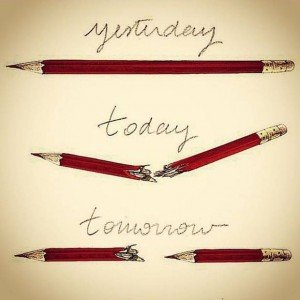
Most travelers don’t need extreme sports. They need interruption. A break in the usual loop.
Work culture has trained people to schedule everything. Even leisure gets optimized. Bookings are made weeks in advance. Itineraries are color-coded. There’s value in planning, of course. But leaving small gaps for spontaneous physical experiences adds texture to a trip.
It doesn’t have to be perfect. Weather shifts. Lines form. Plans change. Those imperfections often become the story later. Not the flawless sunset photo, but the moment someone slipped slightly in the grass and laughed instead of panicking.
That kind of memory carries weight.
When the Mountains Feel Different
A mountain town can feel like a stage set if you only interact with it from behind glass or across a restaurant table. Once you move through it — rolling down a hill, navigating open terrain, feeling speed or bounce — it becomes less of a backdrop and more of a participant.
The landscape stops being something you observe and becomes something you engage with. That engagement doesn’t require expertise. It requires willingness.
Many hesitant visitors stand off to the side for a long time, arms crossed, studying others. Eventually, curiosity wins. They try it once. The shift in posture afterward is small but noticeable. Shoulders drop. Smiles last a bit longer. It’s not dramatic. It’s just human.
A classic mountain vacation promises escape. What many travelers actually want is balance. They want quiet mornings and active afternoons. Heavy breakfasts and earned naps. Laughter that comes from doing, not just watching. That balance doesn’t announce itself. It’s felt slowly, over days. By the time people pack up to leave, they often realize the moments that stand out were not the calm ones alone, but the ones where calm followed effort.
And that’s the part most brochures don’t highlight.