Fantasy has spent the last decade teaching us one thing relentlessly: ideals are naïve, power is ugly, and morality gets you killed. Grimdark became the dominant tone. Heroes became liabilities. Optimism was punished.
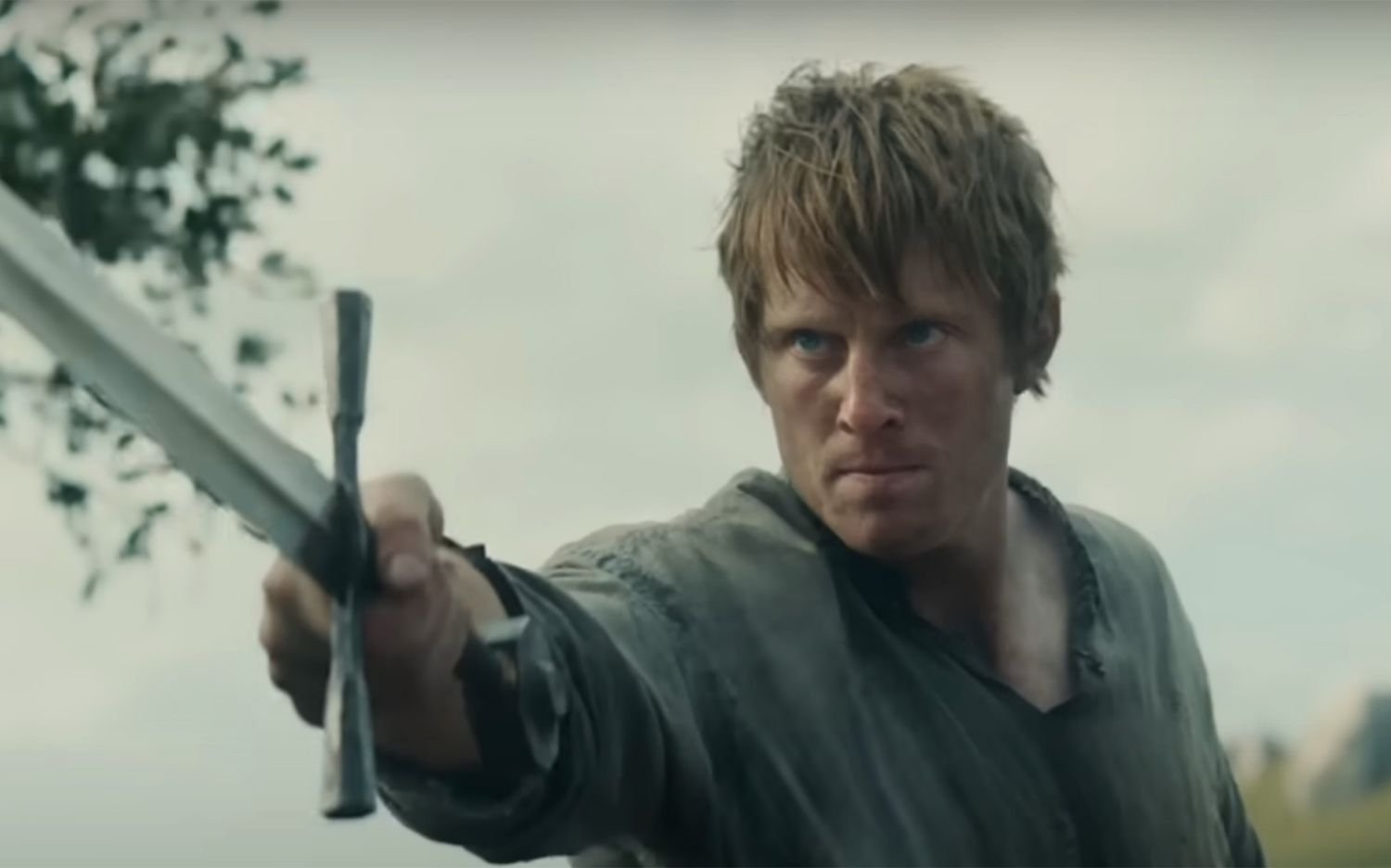
And then A Knight of the Seven Kingdoms arrived—and quietly did something unfashionable.
It took honor seriously again.
After Cynicism Burned Out
The success of modern fantasy was built on subversion. Kill the noble knight. Corrupt the king. Punish belief. This was refreshing—until it wasn’t.
Audiences eventually learned the lesson too well. When everything is ironic, nothing feels sincere. When every character is morally compromised, commitment becomes boring.
The new Westeros series does not reject darkness—it reframes it. Honor is no longer stupidity. It is difficulty.
Smaller Stakes, Sharper Meaning
Unlike sprawling epics obsessed with destiny, A Knight of the Seven Kingdoms shrinks the scale. Fewer dragons. Fewer prophecies. More walking. More hunger. More ethical friction.
This restraint feels deliberate. Cultural fatigue has set in. Spectacle alone no longer satisfies. Viewers want characters who choose decency knowing it may cost them.
That choice feels radical now.
Honor Without Illusion
What makes the show resonate is that it does not romanticize honor—it tests it. Honor is not rewarded automatically. It is inconvenient. It slows things down. It creates risk.
This mirrors a broader cultural shift where sincerity is cautiously returning after years of performative irony. Scholars of narrative ethics have long argued that honor only matters when it is optional, not mandated—a concept explored deeply in literary analyses of chivalric ethics and moral choice.
Why Pop Culture Wants This Now
We are exhausted by moral spectacle. Outrage cycles collapse. Villain discourse rots. The return of honor is not nostalgic—it is corrective.
It says: maybe not everything needs to be deconstructed. Maybe some values survive interrogation.
This mirrors what happens across art and culture when creators step away from noise and choose restraint. Even visual artists have explored this recalibration, as seen in Ursus Wehrli’s methodical re-ordering of chaos—less as joke, more as philosophy.
Honor as Cultural Rebellion
In a cynical era, honor becomes rebellious. It refuses the comfort of detachment. It asks characters—and viewers—to care without guarantees.
That may be why A Knight of the Seven Kingdoms feels quietly radical. Not because it reinvents fantasy, but because it remembers something fantasy forgot:
Belief doesn’t need to be loud to be dangerous.
Sometimes, it just needs to endure.