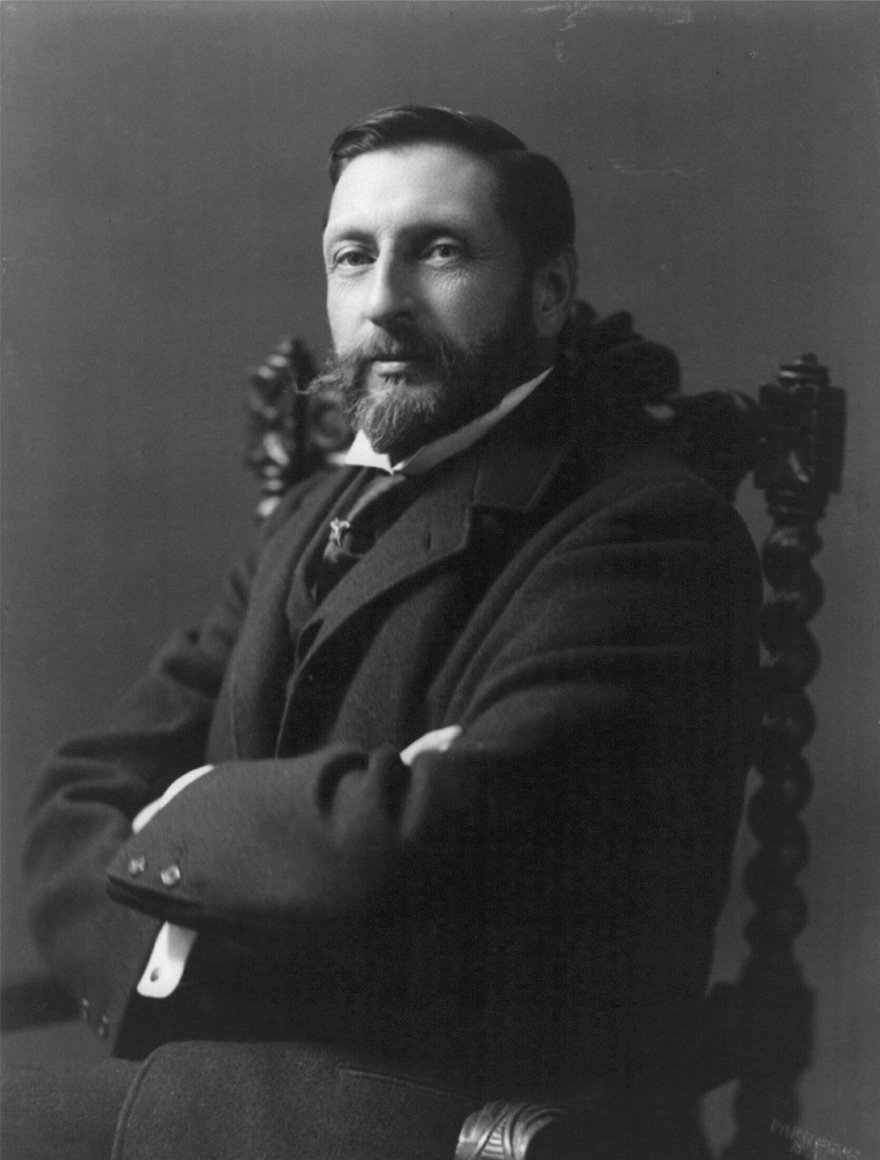
Long before cinema learned how to manufacture wonder, and long before fantasy became an industrial genre, H. Rider Haggard was already constructing entire mythologies with nothing but ink, obsession, and imperial anxiety. His novels did not merely entertain Victorian readers — they trained them. Trained them to see the world as a place of hidden kingdoms, lost civilizations, cursed beauty, and men who mistake domination for destiny.
Today, Haggard is often dismissed as pulp, colonial fantasy, or boys’ adventure literature. That dismissal is convenient — and completely wrong.
A Writer Born Inside Empire
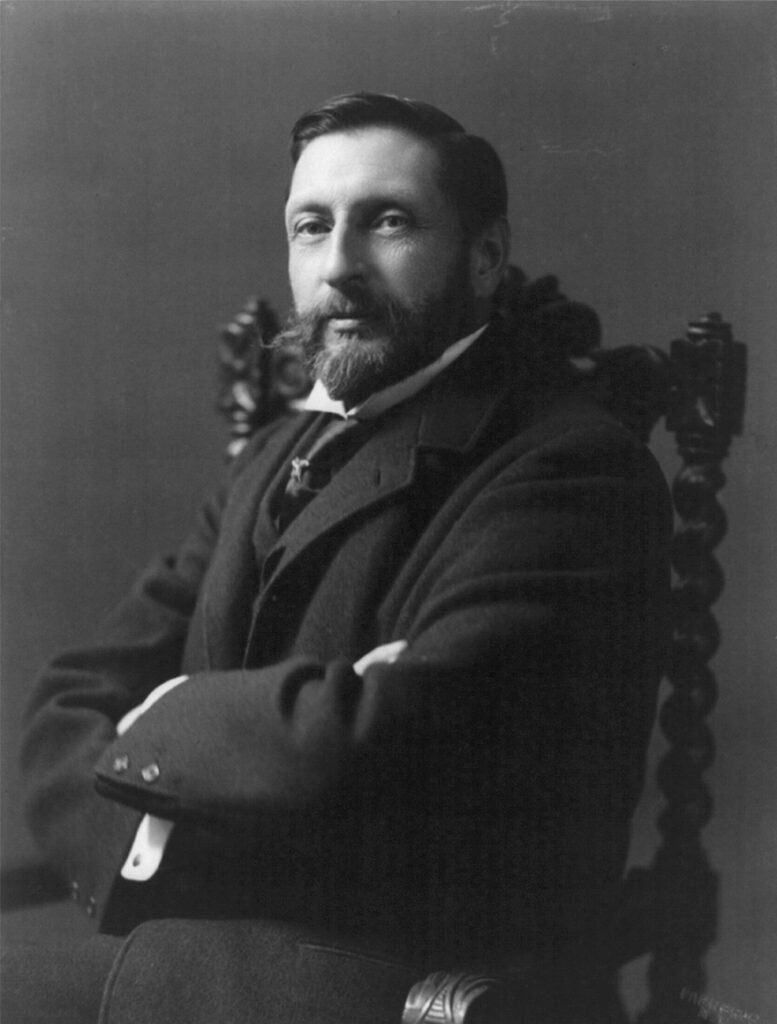
Haggard did not invent imperial fantasy; he systematized it. Writing at the peak of the British Empire, he absorbed its worldview so completely that his fiction became a subconscious manual for it. In novels like King Solomon’s Mines and She, the unknown is never neutral. It is either to be conquered, possessed, or mythologized into submission.
What makes Haggard interesting is not that he believed in empire — almost everyone around him did — but that he mythologized it so effectively that his stories outlived the ideology that produced them. The structure remains even when belief collapses.
She: Immortality, Fear, and the Colonial Gaze
She is Haggard’s most unsettling work. At its center stands Ayesha — immortal, all-powerful, beautiful, and lethal. She is desire and terror fused into a single figure, an embodiment of Victorian anxiety about power that cannot be controlled.
This is not a coincidence. The novel exposes the tension between fascination and fear that defined colonial imagination. The Other is both irresistible and dangerous. Haggard did not critique this tension — but he articulated it with disturbing clarity.
Literary historians still consider She foundational to modern fantasy and science fiction, as outlined in authoritative overviews of Haggard’s influence such as this comprehensive profile of his life and work.
Adventure as Ideology
Haggard’s genius lies in how effortlessly he disguised ideology as adventure. His novels are fast, visual, and cinematic before cinema existed. That is why they translated so easily into later pop culture: Indiana Jones, pulp serials, lost-world narratives, even video games.
The formula is simple:
-
a civilized man
-
an uncivilized land
-
a buried truth
-
a violent revelation
Once you see it, you see it everywhere.

And yet, the formula persists because it satisfies something deeper than politics: the desire for myth in an increasingly disenchanted world.
Why Artists Still Care About Haggard
Contemporary visual culture is still haunted by Haggard’s imagination. Lost cities, symbolic ruins, ritualistic bodies, and mythic repetition appear constantly in modern art — often stripped of their colonial context but retaining their emotional charge.
This recycling of myth without explanation mirrors strategies used by contemporary artists who deconstruct inherited imagery, much like Ursus Wehrli’s playful dismantling of canonical artworks. Both acts reveal how meaning survives even when structure collapses.
Haggard’s worlds persist because they are modular. They can be criticized, inverted, or aestheticized — but they cannot be ignored.
Why Haggard Feels Uncomfortable Now
Reading Haggard today is uncomfortable precisely because he did not write with distance. His confidence is total. His worldview is unfiltered. There is no apology in his prose, no irony to soften its certainty.
And that is why he matters.
Haggard forces us to confront how modern fantasy — and modern art — inherited structures of domination even as it claimed imagination as liberation. His work is not a moral guide. It is a diagnostic tool.
Empire has collapsed. The myth remains.