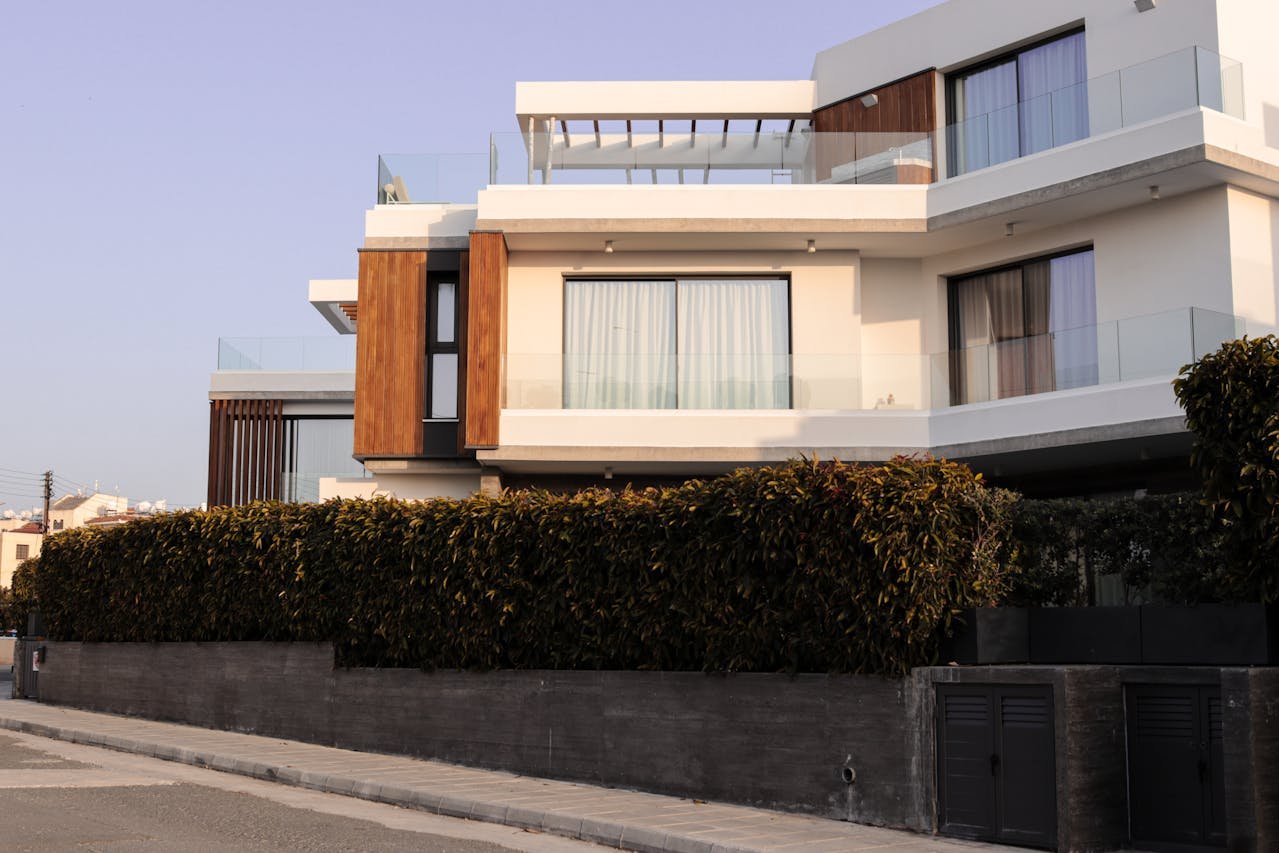
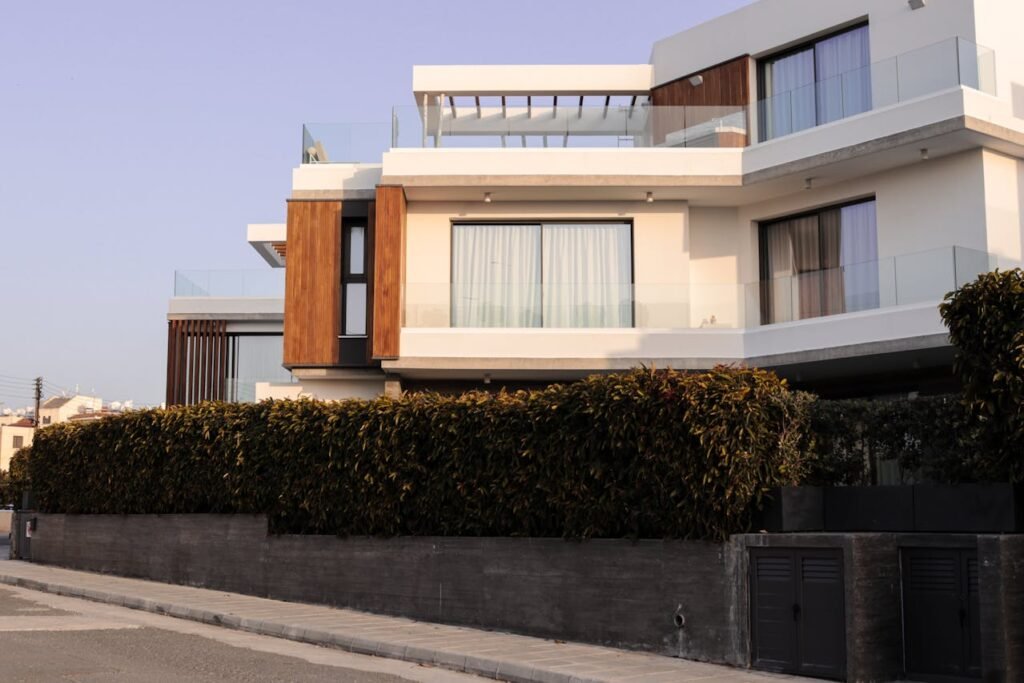
Ever walked into someone’s home and thought, “This place looks like a magazine cover—do they even live here?” If that’s crossed your mind, you’re not alone. In recent years, American homes have evolved into more than just cozy spaces; they’ve become showcases of aesthetic flair that still manage to serve real, practical needs. The modern home isn’t just about beauty—it’s about blending form and function so seamlessly that you almost forget dishes still pile up in the sink.
Form Follows Family Life
As remote work continues to anchor itself in the daily lives of millions, the way homes are designed has shifted with it. Open floor plans are no longer just for entertaining; they now double as work zones, play spaces, and dining areas all in one. Design has become less about impressing the neighbors and more about supporting the way families actually live.
In response, multi-purpose furniture and transformable rooms have taken over Pinterest boards. A dining table is expected to moonlight as a desk. A guest room might be an office with a murphy bed. These aren’t just cute design hacks—they’re survival strategies in a world where square footage rarely matches ambition. Amid inflation and rising home prices, it’s not about having more space; it’s about making smarter use of it.
Where Style Meets Structural Sense
The rise in climate awareness has also pushed homeowners to think deeper about materials and long-term impact. Sustainable design is no longer a fringe concern—it’s in mainstream catalogs and Instagram-ready makeovers. Yet there’s another dimension to modern practicality that flies under the radar: upkeep. A home can look stunning, but if it leaks every time it rains or needs constant maintenance, the shine wears off pretty fast.
That’s why more homeowners are consulting roofing contractors who understand not only durability but aesthetics too. No one wants a roof that clashes with their minimalist black-and-white palette or their “coastal farmhouse” vibe. More importantly, in a year marked by extreme weather events, from record-breaking hurricanes to deep freezes in unexpected places, a well-designed roof is more than a style statement—it’s a shield. The irony? The most invisible part of a home can make or break its livability. It’s not glamorous, but it’s essential.
The Kitchen: From Showroom to Survival Room
Remember when everyone learned to bake bread in 2020? That was more than a fad. It highlighted how kitchens had to evolve—fast. No longer just places to prep meals, modern kitchens are designed for flow, storage, and real-life messes. Walk-in pantries are having a renaissance, and appliance garages (yes, that’s a thing) are staging a comeback.
Designers have begun to merge commercial kitchen efficiency with residential charm. Think: industrial-grade ranges framed by brass fixtures and open shelving that actually holds stuff, not just ceramic roosters. It’s about looking good, yes, but it’s also about not losing your mind during meal prep while hunting for the garlic press.
Bathrooms That Actually Work for You
Spa bathrooms sound nice—until someone needs to get ready in 15 minutes and the “rainfall showerhead” trickles like a broken faucet. Today’s homeowners are shifting focus from indulgent vibes to actual utility. Dual vanities, built-in storage, and smart mirrors that double as lighting and weather displays are becoming the norm.
Water-saving toilets, walk-in showers, and heated floors blend comfort with purpose. Yes, it’s great that your bathroom looks serene, but it’s even better if it supports the chaos of weekday mornings without turning into a slippery disaster zone.
Storage Isn’t Boring Anymore
There was a time when storage solutions were hidden away, as if ashamed of themselves. Now? They’re practically the stars of the show. Built-ins, under-bed drawers, and even staircase shelving have become part of the aesthetic conversation. This change isn’t just about neatness—it’s a response to smaller spaces and busier lives.
The average family has more stuff than ever before. Between pandemic stockpiles and online shopping, clutter has crept in. Smart design doesn’t ignore this; it addresses it head-on with intention and grace. It’s not about pretending the clutter doesn’t exist—it’s about giving it a home that doesn’t look like a garage sale exploded in your living room.
Smart Tech, Smarter Choices
Technology used to be an afterthought in design, awkwardly added on once the furniture was in place. Not anymore. Now, homes are being wired with smart functionality from the blueprint stage. Light fixtures that dim based on time of day, voice-activated blinds, and climate control that learns your habits—all of this is part of the new design DNA.
Of course, not all tech is created equal. While some innovations (like fridge cameras that tell you you’re out of milk) may feel like overkill, others genuinely improve day-to-day living. The trick is finding a balance between wow-factor and actual usefulness. You want your home to feel smart—not to feel like it’s spying on you.

Outdoor Spaces With a Purpose
The pandemic reminded everyone of the value of fresh air. Backyards, balconies, and even stoops became coveted real estate. That shift hasn’t faded; it’s evolved. Outdoor spaces are now treated as full-fledged rooms. From weatherproof furniture to pergolas wired for sound and light, these areas are no longer an afterthought.
Grills and fire pits have become year-round staples, and privacy screens help city dwellers carve out a little peace. Even in smaller homes, a tiny patio or side yard can be transformed with the right lighting, furniture, and intention. It’s not about size—it’s about creating space that functions beyond the front door.
Design With the Future in Mind
A major shift in today’s home design is long-term thinking. Aging in place, multi-generational living, and flexible floor plans are shaping how new homes are being built. Wider doorways, main-level bedrooms, and step-free entries are not just ADA-friendly—they’re future-proof.
As economic uncertainty prompts more families to cohabitate, homes are reflecting that reality. Separate entrances, second kitchenettes, and soundproofing aren’t luxuries—they’re lifelines. The future home isn’t a fantasy of what could be. It’s a practical response to what already is.
There’s a quiet brilliance to how modern homes have evolved. They’ve become mirrors of our shifting priorities, our new routines, and even our global challenges. The best homes today don’t scream for attention—they work. They anticipate, accommodate, and grow with us. In a world that often feels unpredictable, a well-designed home offers something rare: the comfort of control. And that’s not just practical—it’s powerful.