Decades ago, celebrity endorsements were the ultimate stamp of credibility. If we saw Rihanna featured on a billboard for a fashion brand or Kate Winslet recommending a tea brand on TV, we felt compelled to check them out ourselves. The way we’re influenced today isn’t quite the same. Although many of us definitely pay attention to what big-name celebrities are endorsing, trends can launch overnight thanks to a single 10-second video or Instagram post. And the people posting them? Everyday folk who’ve made a career out of curating our tastes.
While the internet gives them a profound reach, it’s the intimacy and connection that make followers and audiences trust influencer recommendations.
From Traditional Media to Social Media
When teens, adults and even children back in the day wanted to know what was trendy, they turned to magazines, MTV or television ads for the scoop. These media outlets dictated what clothes we wore, what music we listened to and what products were worth buying. Trends held on for much longer, moving at a much, much slower pace than they do today. Part of the reason was that only a small group of people had the power to decide what became popular, so the public simply followed their lead.
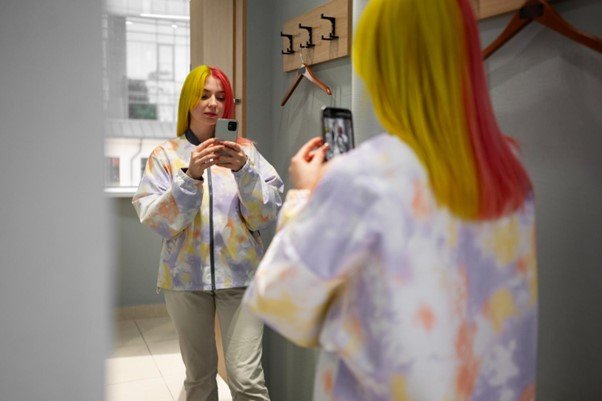
Now, the rules have changed, and the art of influencing has allowed anyone and everyone to participate. Social media platforms like YouTube, TikTok and Instagram have let everyday users evolve into full-blown influencers. With thousands to hundreds of thousands or even millions of followers each, they eventually gained the power to shape trends and preferences at an unprecedented pace.
Influencing wasn’t always a slow burn, but something that could happen in mere seconds. Before Lil Nas X’s Old Town Road even hit the Billboard charts, it was a viral song on TikTok. Virgil Abloh’s clothing brand Off-White began selling out online right after influencers posted images of themselves wearing it.
When the Influencer Became the Brand
Influencing doesn’t just happen when influencers share content. It requires the individual or group to market themselves first and foremost. Every profile, reel, story and post is carefully curated to represent the influencer’s personality, niche, expertise and taste. Emma Chamberlain, for instance, turned her quirky, artsy YouTube personality into a lifestyle brand, posting fashion and travel content and even starting her own coffee brand to reflect her offbeat persona.
While traditional celebrities or media outlets have the backing and authority of institutional support and fame, these influencers build credibility through personal branding and authenticity. At the same time, this trend has also started blurring the line between a genuine recommendation and sponsored content. That’s not to say prior celebrity recommendations were all based on passion, but influencers today present their endorsements as part of everyday life. Luckily, regulations make it mandatory for influencers to label paid promotions, making transparency part of the deal.
Influence in Every Niche
Influencers are often associated with viral dance videos or makeup tutorials, even though they actually influence everything from travel to food and even online gaming. Online platforms let influencers become authorities in practically any niche, and people look to these figures for information on hidden gems and unique experiences that haven’t hit the mainstream. After all, the internet makes it easy to keep pace with popular trends and the next big thing, so audiences crave those insider secrets.
Even in a seemingly obscure space like iGaming, influencers have the ability to drive engagement and spotlight games like the top online slots in the United Kingdom. It’s all about how they review or recommend them, driving curiosity and engagement. Rather than being limited to traditional pop culture, influence now extends to highly specialised communities and interests. Not only do these figures curate content for the general public, but they also help provide visibility and credibility.

The Business of Being Trendy
What started as posting about interests and everyday experiences has turned into big business. Influencing is now also a system of monetisation, in which influencers turn their reach into income through sponsored posts, paid ads, brand partnerships and product collaborations, and some of them make a living—occasionally a jaw-dropping one—from these sources.
However, with commercialisation comes many more responsibilities. Influencers now walk the thin line of staying genuine and credible while working with brands and monetising their content. The most successful find ways to integrate these sponsorships into their personal brand and make collaborations feel natural rather than forced. Those in the tech niche shouldn’t simply work with travel brands (unless it’s a travel tech gadget) just to earn an income, for example.
That’s the reality of the job—audiences pick up on disingenuousness quickly, and followers can tell when content feels purely transactional. In return, influencers lose trust, engagement and the authority they have worked so hard to build.
The Popularity Feedback Loop
Influencing is an ecosystem that doesn’t just involve content from the influencers themselves. Followers provide feedback and interaction in response to these posts, whether through likes, comments, views or even a request for collaboration. Any type of engagement signals to others that the content is worth their attention, and the cycle is reinforced once again.
That’s how virality works: the more a trend is engaged with, the more visibility it gains. Popularity isn’t dictated by a few key people anymore—it’s co-created between influencers and users online. We’ve watched influencer culture go through massive changes, and the beauty is that it’s here to stay. It’s effectively democratised pop culture, giving everyday people the chance to shape trends instead of them being ruled by a few elite voices deciding what’s cool.