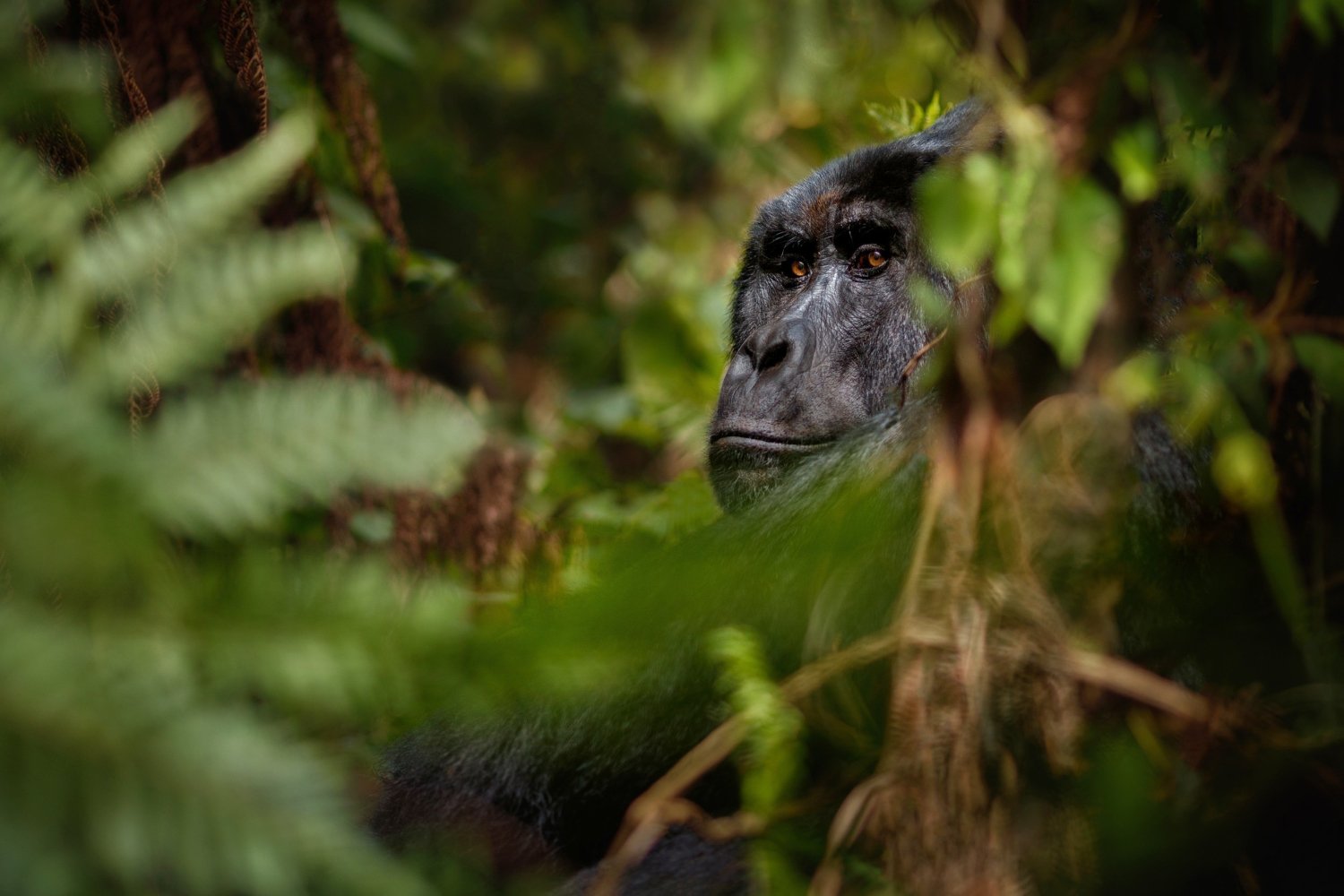
Virunga isn’t a place you “drop into” on a whim. It’s a vast, dramatic landscape of volcanoes, rainforest, lava fields, and some of the most important wildlife habitats in Africa—plus the real-world complexities that come with a borderland region. If you’re drawn to the idea of tracking mountain gorillas, spotting forest elephants, or hiking near an active volcano, you’re not alone. The key question is: how do you do it responsibly—and safely—without diluting what makes Virunga so extraordinary?
For most visitors, a guided tour isn’t just a convenience. It’s the difference between a stressful, uncertain trip and an experience that feels grounded, secure, and deeply meaningful.
Why Virunga Requires a Different Kind of Travel Mindset
Virunga National Park and its surrounding areas aren’t like well-trodden safari circuits where you can self-drive, improvise your itinerary, and assume the infrastructure will catch you if something goes sideways. Roads can be unpredictable, mobile coverage patchy, and conditions can change quickly—from weather to administrative requirements.
Beyond logistics, there’s the ethical side. Virunga’s ecosystems are under constant pressure, and tourism works best here when it supports conservation goals rather than extracting a “bucket list” moment. Guided travel, done well, aligns your presence with the systems already in place to protect wildlife and support communities.
The Safety Advantage: What Guides Actually Do (That You Can’t Easily Replicate)
A good guide isn’t simply a person who knows the names of birds or where gorillas tend to nest. In Virunga, guiding is closer to professional risk management layered onto natural history interpretation.
On-the-ground security awareness
Local guides and operators track route-level realities: which roads are currently reliable, where checkpoints are operating, and what timing makes movement safer. They also coordinate with park authorities and ranger teams who understand evolving conditions in real time. That local intelligence is hard to source accurately from afar—and “outdated but confident” travel advice online can be worse than no advice at all.
Navigation and logistics that reduce exposure
Most risk on remote trips doesn’t come from dramatic scenarios; it comes from small breakdowns: a vehicle issue far from help, a wrong turn that adds hours of travel, or arriving somewhere after dark because a plan ran long. Guided tours reduce these “compounding errors” by tightening planning and providing redundancy (backup contacts, contingency routes, realistic pacing).
Wildlife protocols that keep everyone safer
In a park like Virunga, safety isn’t only about people. It’s also about minimizing stress and disease risk for animals—especially great apes. Guides enforce distancing rules, manage group movement, and correct well-intentioned mistakes (like edging closer for a photo). That discipline protects gorillas, and it also prevents risky encounters if an animal reacts defensively.
A More Rewarding Experience: The Difference Between Seeing and Understanding
A surprising truth about Virunga is that the “wow” factor isn’t limited to the headline sightings. The richest moments often come from context: why this forest looks the way it does, how volcanic soil changes vegetation, what ranger patrols involve, and how conservation decisions play out in real communities.
A skilled guide turns the landscape into a story you can follow—one with cause and effect, tension, and stakes.
Around the midpoint of planning, many travelers start comparing itineraries to understand what’s realistic and what’s not. It can help to look at examples of structured trips that combine conservation-aware access with local coordination—like wildlife safaris in stunning natural reserves—not as a one-size-fits-all answer, but as a reference for what a guided, park-aligned approach typically includes.
What “Good Guiding” Looks Like in Practice
Not all guided tours are created equal. The best ones have a few consistent traits, and you can often spot them before you book.
Clear pre-trip preparation (not vague assurances)
Virunga is not the place for hand-wavy guidance. A reputable operator will brief you on practical details: documentation, fitness expectations, packing lists suited to rain and mud, and realistic day-by-day timing. They’ll also be candid about what can change—because flexibility is part of traveling here responsibly.
Permit handling and park coordination
Gorilla trekking permits, ranger accompaniment, and access rules are tightly managed. A guide who handles these details smoothly saves you from administrative friction that can derail plans. More importantly, this coordination supports the systems that fund protection work.
Cultural fluency and respectful community interactions
Guides serve as cultural interpreters as much as logistical ones. They help travelers avoid common missteps—photographing people without permission, discussing sensitive topics casually, or misunderstanding local norms. Small changes in behavior can transform interactions from transactional to genuinely human.
The Hidden Value: Conservation and Community Impact Done Right
People often ask whether tourism “really helps” in conservation areas. In Virunga, it can—when it’s structured properly. Guided tours tend to channel visitor activity through official routes, registered lodges, vetted local staff, and park-approved experiences.
That matters because it:
- Creates steadier employment for local guides, drivers, porters, and hospitality teams
- Strengthens the case for protecting habitat by making conservation economically defensible
- Encourages compliance with rules that reduce wildlife stress and disease transmission

This is also where your choices become practical ethics. A cheaper, informal alternative might look appealing on paper, but it can bypass the very frameworks that keep both people and wildlife safer.
Choosing a Guided Tour: Questions Worth Asking
You don’t need to be an expert to vet a tour—you just need to ask the right questions and listen carefully to the answers. Here are a few that separate polished marketing from operational competence:
- How do you coordinate with park authorities and ranger teams day-to-day?
- What happens if conditions change and an activity becomes unavailable?
- Who is the lead guide, and what’s their experience in this specific region?
- How do you handle health and safety briefings (including wildlife protocols)?
- What does your trip contribute to locally—staffing, sourcing, fees, partnerships?
Ask these questions before you pay a deposit. A serious operator won’t dodge them.
Final Thoughts: Virunga Rewards the Prepared Traveler
Virunga gives back more than it takes—if you approach it with humility and a plan. Guided tours don’t just make the experience smoother; they create a safer container for a region that deserves respect, not improvisation. You’ll spend less energy troubleshooting and more time paying attention—to the hush of the forest, the texture of volcanic rock underfoot, and the sheer privilege of being near wildlife that has survived against long odds.
If you want Virunga to feel not only unforgettable but also responsible and secure, good guiding isn’t an add-on. It’s the foundation.