Soho as Narrative Space
In a city where exhibitions often dissolve into visual noise, Soho Solos arrives with unusual clarity. Presented at Great Pulteney Street Gallery, the exhibition unfolds not as a group show, but as four parallel monologues — each artist occupying their own psychological terrain.
Selected from over 2,000 submissions to the inaugural Soho Open, Mandy Hudson, James Robert Morrison, Conor Quinn and Alice Sheppard Fidler return not as participants, but as protagonists. The result is less an exhibition and more a constellation of self-contained worlds, quietly intersecting under one roof.
For more details about the programme and submissions, the gallery maintains updates through its official channels, including their website and Instagram presence, where the exhibition’s visual language continues to unfold in fragments.
The Poetry of Objects
Alice Sheppard Fidler and Mandy Hudson approach materiality as something unstable — something that can be rearranged, reinterpreted, almost redeemed.
Hudson’s still lifes elevate the accidental: everyday objects, frozen into painterly permanence, as if chance itself could be archived. There is a quiet insistence in her compositions — a belief that the overlooked is not empty, merely waiting.
Sheppard Fidler, by contrast, works in three dimensions, assembling found materials into installations that respond to space rather than dominate it. Her work feels provisional, shifting — less like sculpture, more like an ongoing negotiation between object and environment.
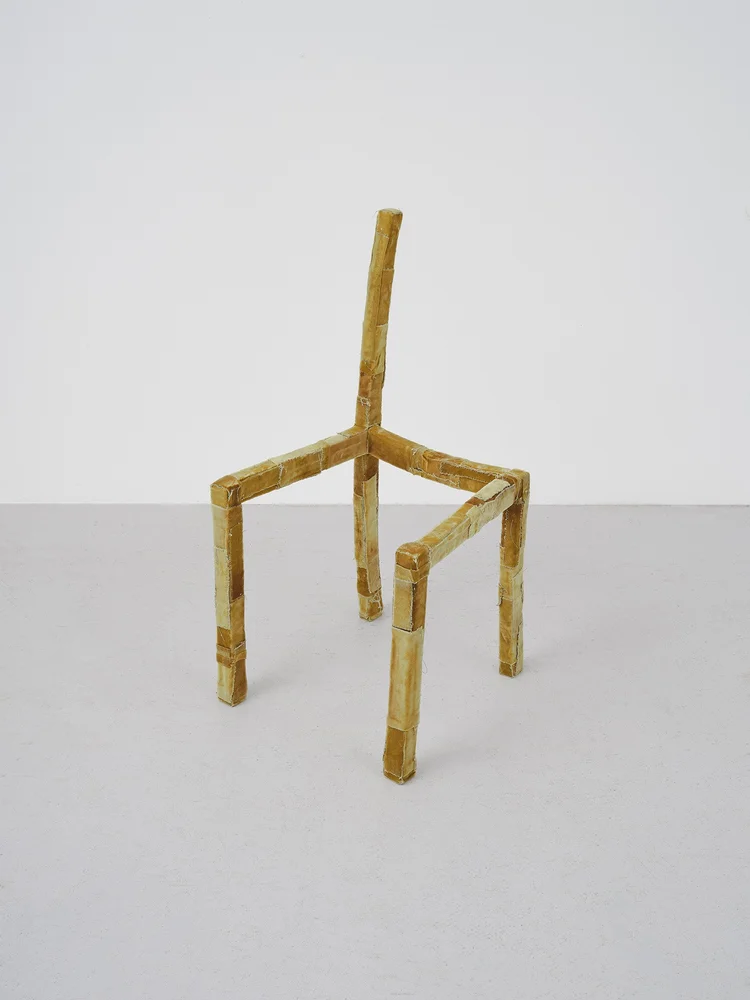 Alice Sheppard Fidler, Being Together
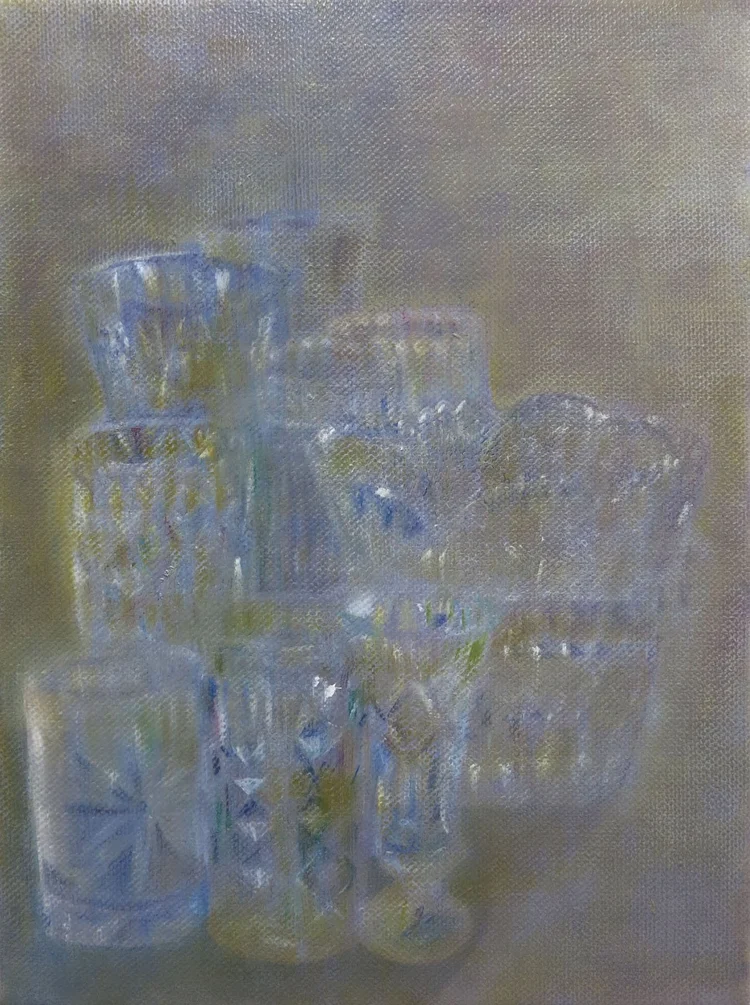 Mandy Hudson, Glassware
Memory, Shame, and Reconstruction
If Hudson and Sheppard Fidler deal with objects, Conor Quinn and James Robert Morrison deal with memory — and the fragile, often uncomfortable process of reclaiming it.
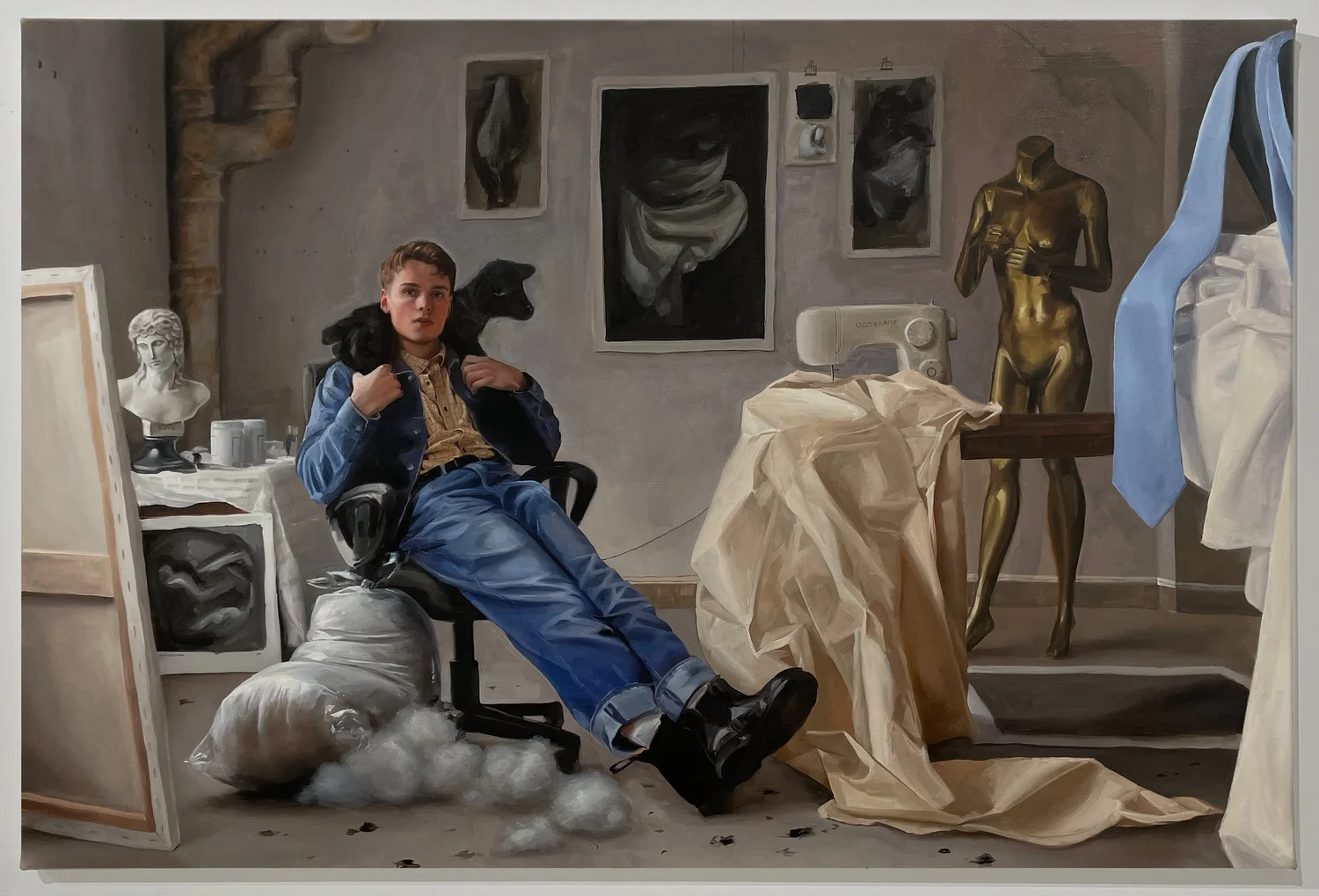
Quinn’s paintings, infused with elements of puppetry and self-portraiture, inhabit a surreal emotional register. They feel theatrical but intimate, as if identity itself were being rehearsed rather than declared.
Morrison’s work is quieter, almost disarmingly so. Drawing from vintage gay pornography, he translates charged imagery into delicate pencil works on cigarette papers — fragile surfaces that echo the vulnerability of the subject matter. The tension between explicit source and restrained execution is where the work breathes.
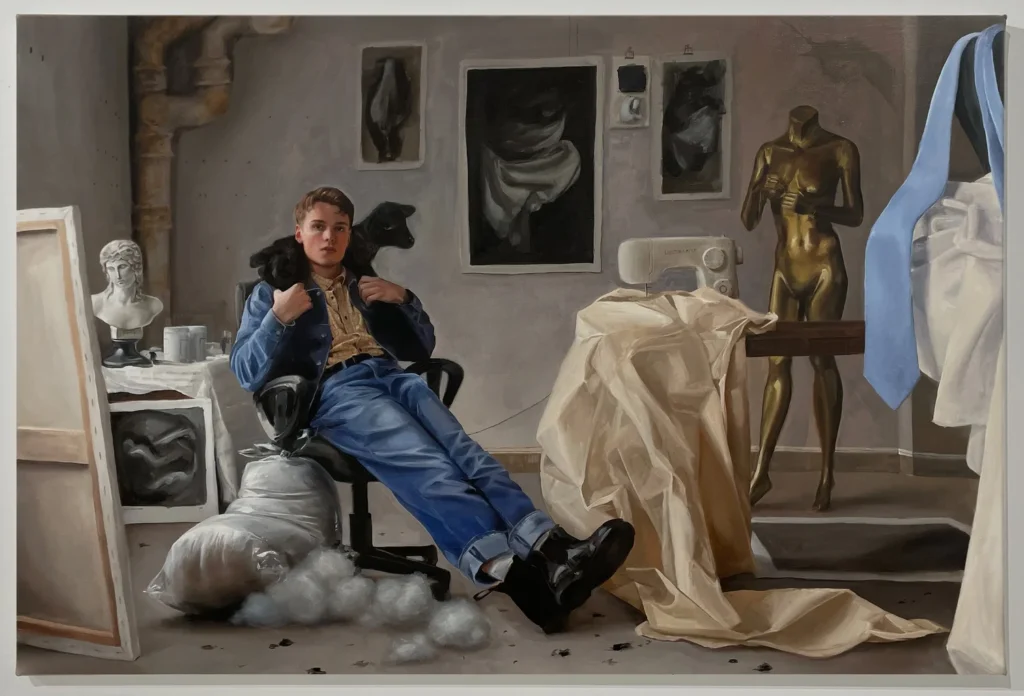 Conor Quinn, Spring
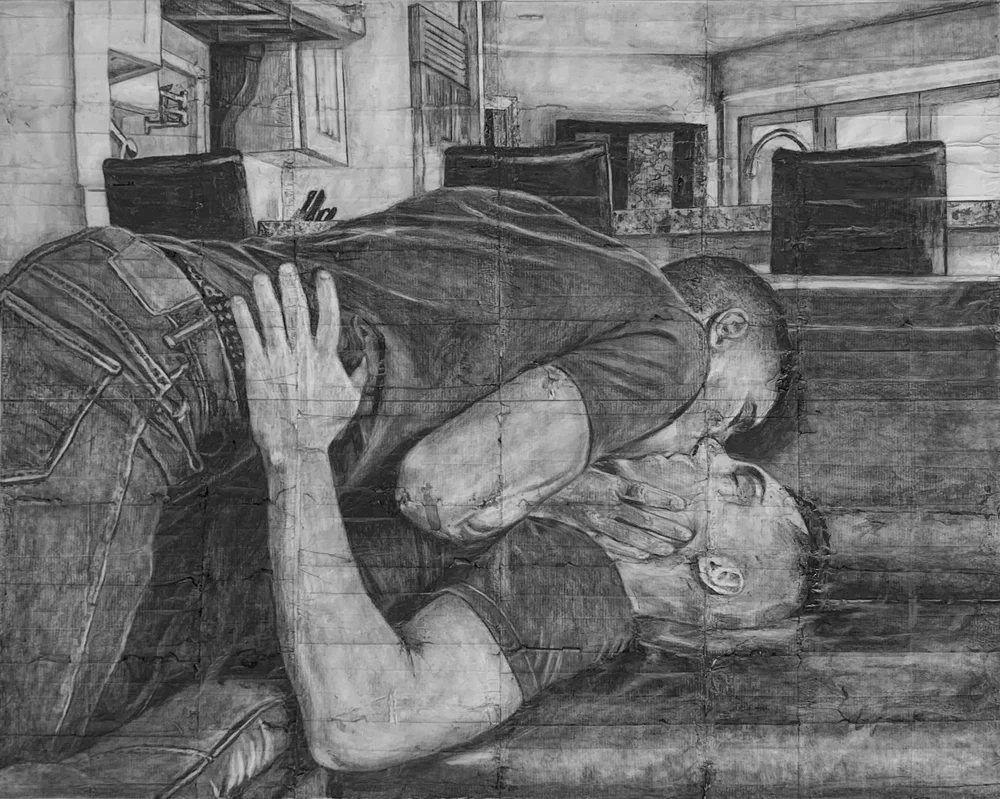 James Robert Morrison
Four Solos, One Structure
What makes Soho Solos compelling is not just the strength of the individual practices, but the decision to separate them. Each artist is given full spatial autonomy, allowing their work to unfold without competition.
This curatorial choice transforms the exhibition into something closer to literature: four short stories rather than a single narrative. The viewer moves between them, assembling meaning through contrast rather than cohesion — a structure that increasingly defines the landscape of contemporary art.

The Soho Logic
There is also something quietly significant about the framework itself. Soho Housing Association, which owns the gallery, operates within a structure where art and social infrastructure intersect — a reminder that cultural production rarely exists in isolation.
The gallery itself can be explored further through its official presence, including its programme details and announcements via its website and social platforms.
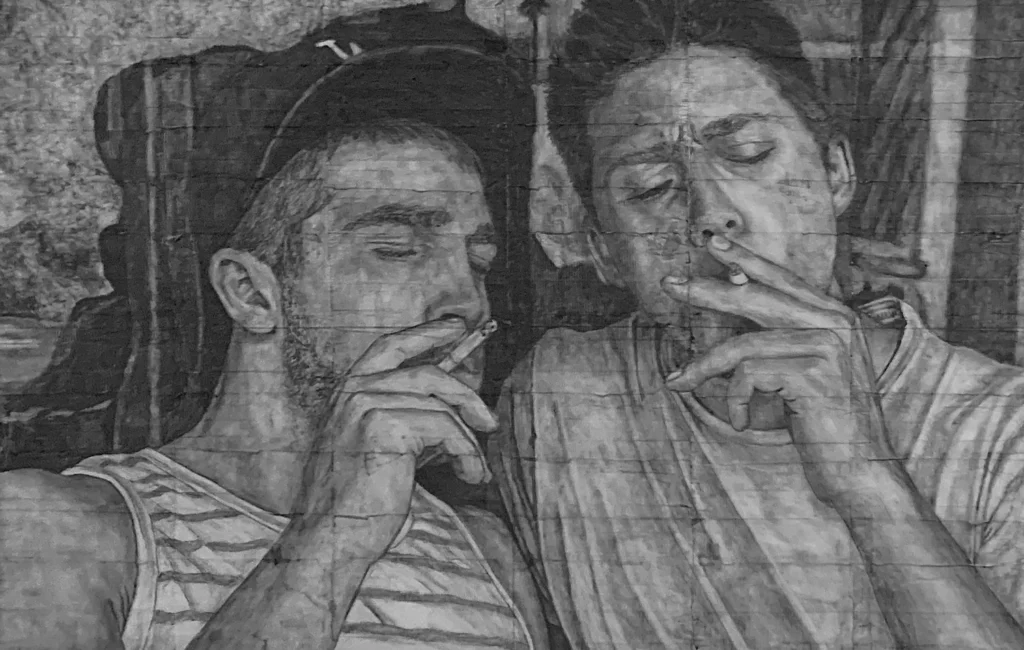 James Robert Morrison
Afterimage
Soho Solos does not attempt to overwhelm. It lingers instead — in textures, in materials, in the quiet persistence of memory and objecthood.
Each room holds its own atmosphere. Together, they form something more elusive: a reflection on how contemporary art continues to fragment, personalise, and reconstruct experience — one space at a time, much like other explorations of visual culture featured on Art-Sheep, where objects, narratives, and images shift meaning as they move between contexts.
Images Courtesy of Soho Solos