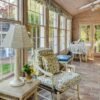

Homes today are no longer static places built for one predictable routine. They are expected to adapt as personal needs evolve over time. A living space may serve as a quiet retreat one year and a lively hub for work, creativity, or family life the next.
As lifestyles become more dynamic, flexible design has emerged as a thoughtful approach that allows homes to adjust without constant renovation. This kind of design supports growth, change, and personal expression while maintaining comfort and functionality.
In places like Decatur, GA, homeowners and renters alike are increasingly looking for ways to create interiors that respond smoothly to shifting priorities without feeling cluttered or constrained.
The Role of External Storage
Flexible living spaces often begin with the ability to manage belongings effectively. When rooms are not overloaded with items that are rarely used, they can serve multiple purposes with ease. External storage options provide a practical way to support this balance. If you live in Decatur GA self storage is an excellent option for homes with limited space. You can rotate belongings based on current needs rather than keeping everything inside the house at all times.
Seasonal items, archived documents, or hobby materials can be kept safely elsewhere, freeing up interior space for daily living. This approach supports flexibility by allowing rooms to change function without permanent compromises. A home office can become a guest room, or a play area can transform into a calm reading space, simply by bringing in or removing stored items as needed.
Designing Rooms That Serve More Than One Purpose
A flexible home relies on rooms that are not limited to a single role. Designing spaces with multiple uses in mind allows residents to respond to life changes with minimal effort. A dining area can also function as a workspace during the day, while a bedroom can include a small sitting area for relaxation or creative pursuits.
The key is to focus on layout and flow rather than fixed labels for each room. Clear pathways, adaptable furniture placement, and thoughtful lighting choices make it easier for a space to shift between roles. This approach encourages homeowners to think of their rooms as adaptable zones rather than rigidly defined areas.
Furniture Choices That Support Change
Furniture plays a central role in flexible living design. Pieces that are easy to move, rearrange, or repurpose help spaces evolve naturally. Lightweight chairs, expandable tables, and modular seating allow rooms to be adjusted without strain.
Storage-focused furniture, such as benches with hidden compartments or beds with built-in drawers, can reduce the need for extra cabinets or shelves. This supports a cleaner look while keeping essential items close at hand.
Open Layouts That Encourage Movement and Interaction
An open layout can be a powerful foundation for flexibility. When walls are minimized, spaces can flow into one another and support a variety of activities. An open living area can host social gatherings, quiet evenings, or creative projects without feeling restricted.
Visual continuity between areas makes the home feel larger and more adaptable. However, flexibility does not require the complete removal of boundaries. Partial dividers, shelving units, or changes in floor texture can define zones while still allowing easy reconfiguration.
Smart Storage Within the Home
Internal storage solutions are just as important as external options when designing adaptable spaces. Built-in shelves, under-stair compartments, and wall-mounted cabinets help keep items organized without consuming valuable floor space. When storage is thoughtfully integrated into the structure of the home, rooms remain uncluttered and ready to adapt. Clear organization also makes it easier to change a room’s function quickly. When items have designated places, transitions between activities become smoother and less stressful.
Lighting That Adjusts to Different Activities
Lighting is often overlooked in discussions of flexible design, yet it plays a significant role in how a space functions. A room that supports multiple activities benefits from layered lighting options. Ambient lighting creates overall comfort, while task lighting supports focused work or hobbies. Adjustable fixtures and movable lamps allow residents to change the mood of a room without altering its structure. Natural light also contributes to flexibility by making spaces feel open and welcoming throughout the day.

Designing for Life Transitions
Flexible living spaces are especially valuable during periods of transition. Changes such as working from home, welcoming new family members, or pursuing new interests can place unexpected demands on a home. A well-designed flexible space responds to these changes without requiring major adjustments. Rooms that can be reconfigured quickly provide reassurance during uncertain times. This adaptability supports emotional well-being by allowing the home to feel supportive rather than restrictive.
Personalization Without Permanence
One challenge in flexible design is balancing personal expression with adaptability. Permanent features can limit future options, while overly neutral spaces may feel impersonal. The solution lies in choosing elements that can be updated easily. Wall art, textiles, and decorative accents allow residents to express their style without committing to fixed changes. These elements can be swapped or adjusted as tastes evolve.
The Emotional Value of Adaptable Spaces
Beyond practical benefits, flexible living spaces support a sense of ease and confidence. When a home can adapt to changing needs, residents feel more in control of their environment. This reduces stress and encourages creativity. A space that can transform to support work, rest, or connection fosters a deeper sense of belonging. Flexibility also supports sustainability by extending the usefulness of existing spaces rather than requiring constant expansion or renovation.
Designing flexible living spaces is about creating environments that respond gracefully to life as it unfolds. Through thoughtful layout, adaptable furniture, smart storage, and supportive lighting, homes can remain functional and welcoming through every stage. By combining internal organization with external solutions when needed, residents can enjoy spaces that feel open, purposeful, and ready for change. A flexible home does not dictate how life should be lived. Instead, it offers the freedom to shape each day according to evolving needs, making it a lasting and meaningful place to call home.