Art and history are all around us. They influence how we think, how we feel, and even how we connect with others. Every painting you pass on a wall, every old building you walk by, and every story you read about people from long ago changes how you make sense of life. Together, art and history help us see the world in a way that’s deeper and more interesting than just what’s in front of our eyes.
Right at the start, let’s talk about something that brings history to life for young readers. Books that mix real history with strong stories help kids care about the past. This is where the historical fiction books for kids by Tuttle Twins come in. These books let young people step into moments from long ago, meet real characters, and feel what it might have been like to live through big events.
Here are seven ways art and history shape how we see the world.
1. Art Helps Us Feel What Words Can’t
Art connects with our emotions directly. When you look at a painting, listen to a piece of music, or watch a dancer move, your body reacts before your brain tries to label the experience. That feeling tells you something about the human experience that might not come through in a history textbook.
Take Picasso’s Guernica, for example. The painting captures the terror and chaos of war in a way that facts and dates never could. You don’t need to know the story behind the image to feel the pain and confusion it shows. That power to move us makes art a key part of how we understand life and people.
2. History Shows Us Patterns in Life
History gives us a map of how humans have acted over time. Even though people and technology change, some patterns repeat. When you see these trends, you can make better sense of what’s happening today.
Think about how past pandemics changed societies. By learning what happened before, you can see how responses to disease affected culture, politics, and trust in institutions. That history helps you view current events with greater awareness. It doesn’t give perfect answers, but it adds context to what might otherwise feel random.
3. Art Makes History Feel Real
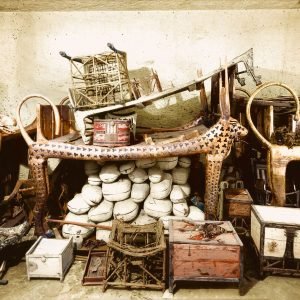
When history is tied to art, it often becomes more human. For example, reading about ancient Egypt might give you dates and facts, but seeing the murals and statues from that time makes the people feel alive. You can almost sense what mattered to them.
The same is true with music from different eras. A song from the 1960s can instantly take you into the mood of that decade in a way that a list of events never could. Art turns facts into experiences, and experiences stick with us.
4. History Can Change How We See Ourselves
When you learn about people from the past, you start to see parts of yourself in their choices, struggles, and victories. That reflection can shift how you see your own identity.
For example, American civil rights history shows how ordinary people stood up for change. When you learn about those efforts — through speeches, photographs, and personal stories — you might see courage and resilience in a new light. This can change how you think about your role in society, and even how you act toward others.
5. Art Lets Us Explore Different Viewpoints
Artists often look at the world in ways that challenge the status quo. They might show beauty where others see none, or question rules that everyone else accepts. That kind of expression pushes us to think differently.
Street art in a city, for instance, can tell stories that official monuments ignore. A mural might honor people whose voices were left out of history books. When you see that, you’re reminded that history isn’t just what’s written in textbooks. It’s a mix of many voices, some loud and some quiet, all shaping how we understand the world.
6. History Gives Meaning to Everyday Life
History isn’t only about big events like wars and inventions. It’s also about the small things that shape culture. Food, fashion, language, holidays — these all have roots in what came before.
Think about how different regions have their own traditional dishes. Each one carries stories about migration, trade, climate, and cultural exchange. When you learn those stories, your dinner becomes more than just a meal. It becomes a connection to past ways of life.
7. Art and History Expand Our Sense of Beauty
Our idea of beauty is not fixed. It changes with time and place, and art shows that clearly. What was admired in one era might be ignored in another. When you study art from different times and cultures, you start to see beauty in unexpected forms.
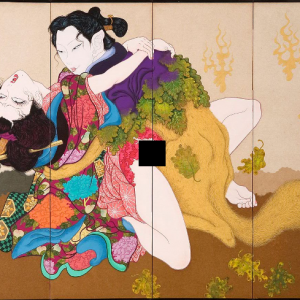
Take Japanese woodblock prints. In the 19th century, these prints looked very different from European paintings. Today, people around the world admire them for their clean lines, striking color, and sense of balance. That shift in taste shows how exposure to new forms expands what we can appreciate.
History also shapes beauty by preserving or forgetting the art of different cultures. When historical preservation protects old buildings, music, and crafts, it keeps a broader range of beauty alive. When history overlooks certain traditions, those art forms can fade away. How we treat the past affects what we value in the present.
How All This Affects Us Today
Art and history don’t live in separate boxes. They mix with politics, economics, religion, and daily life. When you start to see those connections, you begin to understand why people act the way they do. You see that ideas and emotions are carried forward through generations.
This influences how you think about current events. Instead of asking, “Why did this happen?” you might ask, “How does this connect to what came before?” That shift in perspective matters. It makes you a more thoughtful observer, and sometimes a more engaged citizen.
For young minds, this kind of thinking can start early. Reading stories that place characters in historical settings connects empathy with knowledge. When kids read about people who faced hard choices, they learn that history wasn’t just a set of facts. It was real people living real lives. Those books make history more than dates. They make it personal.
Conclusion
Art and history shape how we see the world because they speak to the heart and the mind. One tells us how people felt. The other tells us what happened. Together, they help us see not just what is, but how it came to be.
When you look at a painting, listen to an old song, or read about a past event, you’re not just consuming culture. You’re connecting with human experience across time. That connection expands your view of what life can be.
The next time you encounter a piece of art or a story from history, take a moment to think about what it’s saying. Let it make you feel something. Let it make you curious. That’s how your view of the world gets richer, clearer, and more interesting.