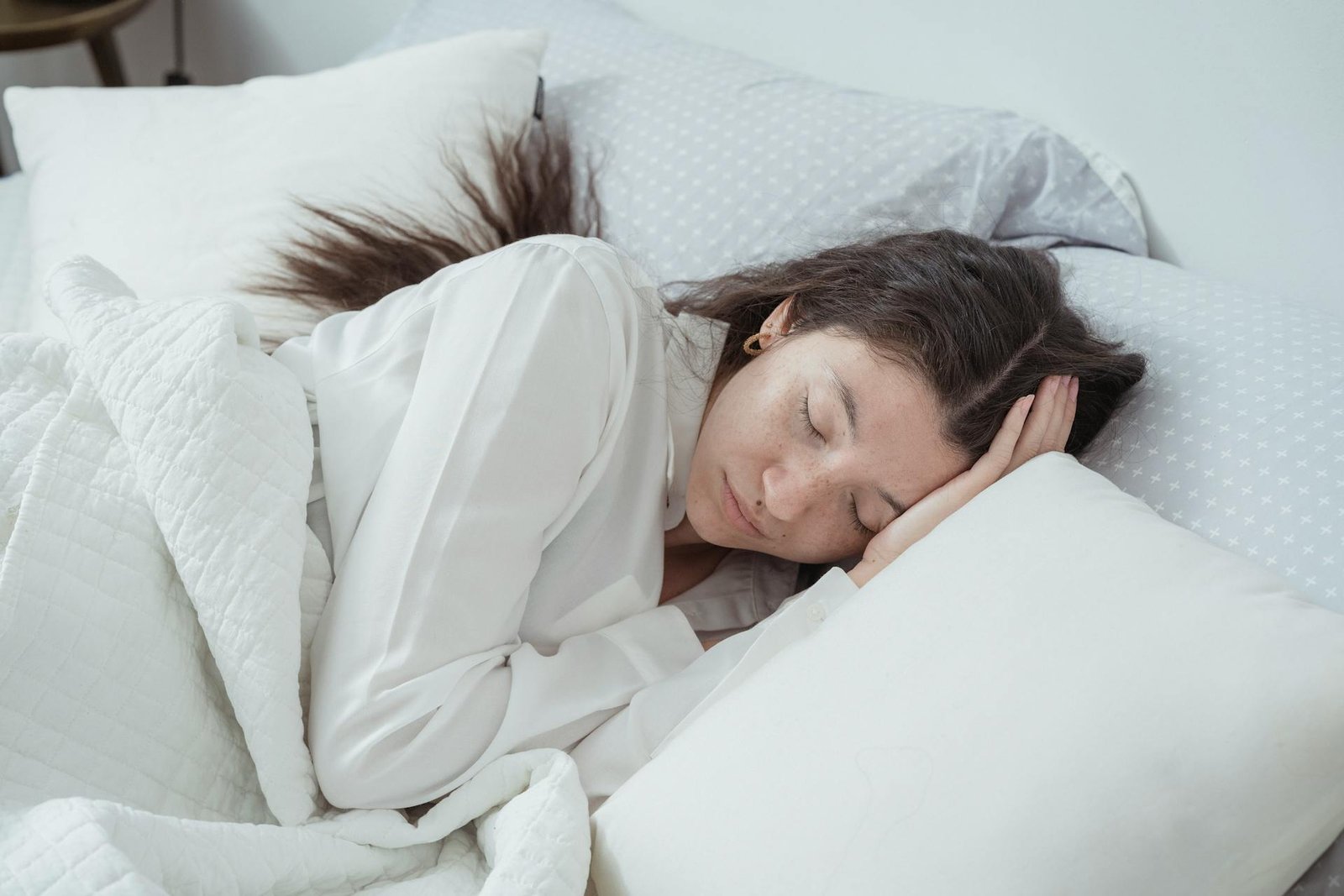
Sleep used to be what happened after travel. In 2025, it’s become the reason to travel. Welcome to the age of sleep tourism — the phenomenon where people book entire vacations not to explore ancient ruins or chase sunsets but to catch better rest than they do at home. This isn’t idle escapism; it’s a response to a global epidemic of sleeplessness that’s reshaping how we think about what a “holiday” should actually do.slee
Sleep tourism can be as simple as choosing a resort with blackout curtains and zero-noise zones, or as elaborate as booking weeks in a retreat designed to recalibrate your circadian rhythm with meditation, diet plans, and expert consultations. According to travel industry analyses, spas and hotels are no longer optional luxury add-ons — they’re sleep sanctuaries, complete with weighted blankets, AI-optimized beds, and guided breathing exercises.
What’s driving this trend is not laziness but exhaustion. Surveys show that many adults report poor quality sleep on a regular basis — and for some, the idea of traveling only to rest feels more restorative than piling itinerary upon itinerary. As the hospitality industry embraces that shift, luxury brands like Six Senses and COMO are rolling out programs specifically targeted at sleep rehabilitation, often pairing spa therapy with sleep science.
The appeal is both practical and symbolic. Practically, a sleep-focused holiday promises better health, improved mood, and enhanced productivity back home. Symbolically, it signals a cultural pivot: rest is no longer the afterthought of travel but its philosophical center. People now talk about where they’ll “sleep best” with the same enthusiasm once reserved for “where we’ll go next.” That’s a sea change in how we treat our bodies, our time, and even our sense of leisure.

For a creative look at how contemporary artists and creators explore themes of rest, stillness, and bodily experience in non-travel contexts, check out Art-Sheep’s profile of Matthew Simmonds — whose work interrogates the architecture of interior spaces in ways that feel oddly aligned with the psychology behind sleep travel.
Sleep tourism isn’t going away. Instead, it’s likely to evolve — fusing wellness technology, environmental psychology and travel economy into a new category where “holiday” and “health regimen” begin to overlap. In a world where everyone is chronically tired, this trend might feel less like vacation and more like survival.