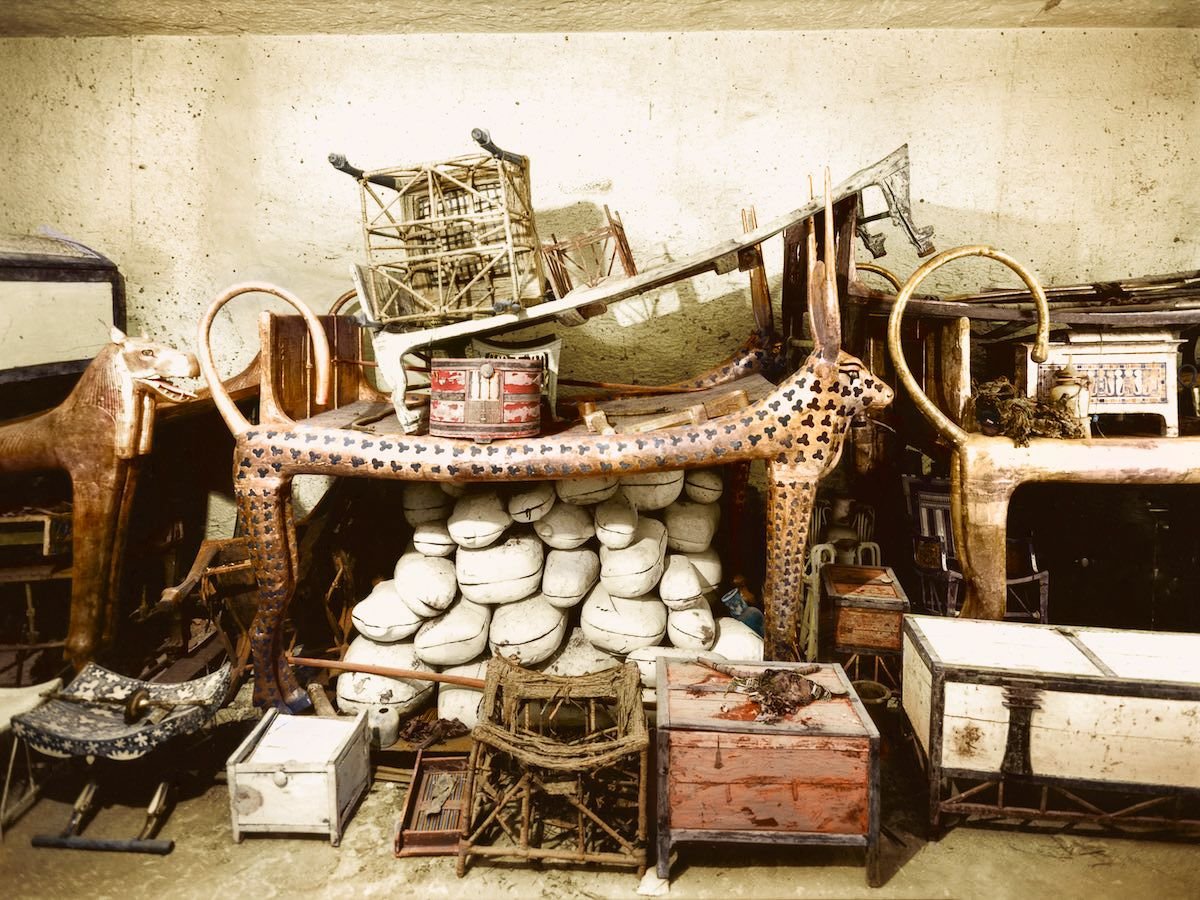
Modern home architecture is often celebrated for its clarity and precision. Open plans, clean lines, and carefully selected materials create spaces that feel refined and intentional. Yet even the most luxurious modern homes can sometimes feel emotionally distant. The design is visually impressive, but it may not fully reflect personal values, memory, or meaning.
For those who are passionate about history or collect antiquities, museum-quality artifacts as focal points help bridge that gap. These pieces carry time, human effort, and cultural significance. When placed thoughtfully, they soften modern architecture while preserving its sense of restraint.
This article takes a closer look at why museum-quality artifacts serve as effective focal points in modern homes and shares thoughtful guidance on how to design around them.
Why Museum-Quality Artifacts Make Powerful Focal Points
In modern architecture, focal points are most effective when they feel natural rather than imposed. Museum-quality artifacts meet this requirement through their inherent presence and meaning.
Emotional Depth Within Minimal Architecture
Modern architecture often prioritizes openness, light, and proportion. While this creates calm, it can also feel emotionally neutral. Museum-quality artifacts introduce a human dimension that modern materials alone cannot provide.
These objects speak to belief systems, daily rituals, and craftsmanship developed over centuries. When placed with intention, they create moments of reflection within the home. The space begins to feel lived in rather than staged. This emotional depth helps modern interiors feel personal and grounded without disrupting their architectural clarity.
Visual Weight and Historical Presence
Museum-quality artifacts draw attention in a subtle way. Their materials, surface patina, and evidence of age give them authority without relying on ornamentation or scale. In modern architectural spaces, where surfaces are often controlled and minimal, this quiet contrast becomes especially powerful.
This impact becomes stronger when artifacts come from platforms built around authenticity and historical research. Collections like Authentic Antiquities & Artifacts – Relic And Rarity are curated around documented origin and specific time periods, allowing each piece to carry a clear historical identity. This level of curation gives the artifact a sense of purpose within the space makes a practical difference in interior planning. Clear historical context helps determine placement, scale, and spatial emphasis, allowing the artifact to guide the architecture rather than simply occupy it.
Timelessness That Supports Long-Term Design
Architectural trends come and go, but history does not. Museum-quality artifacts carry a lasting presence that is not shaped by changing styles. Their significance remains intact, allowing them to hold relevance even as the surrounding architecture evolves.
When used as focal points, these objects create continuity. Materials may shift, and spaces may adapt, but the artifact remains a steady element within the home. This sense of permanence supports architectural design that values longevity, calm, and thoughtful evolution rather than short-term trends.
Tips for Designing Around a Central Artifact
For museum-quality artifacts to feel integrated rather than inserted, architectural planning must respond to them thoughtfully. This process works best when approached early and with patience.
Designing Sightlines That Encourage Discovery
A focal point should feel discovered rather than announced. Architectural sightlines play an important role in shaping this experience. Entryways, corridors, and transitions between rooms can be designed to guide the eye gently toward the artifact.

As you move through the home, the object reveals itself gradually. Different viewpoints allow the artifact to be experienced over time rather than all at once. This approach creates engagement without disrupting flow and keeps the space feeling calm and intentional.
Matching Scale and Proportion to the Space
Scale is a critical consideration when working with museum-quality artifacts. Larger objects often require open space and clear sightlines so their form can be appreciated without competition. Smaller pieces, on the other hand, benefit from isolation and carefully considered negative space that allows their details to be noticed.
When architecture allows an artifact to guide proportion, the room begins to feel settled and balanced. Nothing feels forced or crowded. The object appears exactly where it belongs, supported by the surrounding space rather than confined by it. This sense of alignment creates visual calm and strengthens the relationship between architecture and the focal point.
Integrating Artifacts Through Built-In Architectural Elements
Built-in architectural features help artifacts feel permanent. Accent walls with recessions, niches, or integrated plinths allow objects to exist within the structure of the home rather than relying on movable furniture or temporary display solutions.
This approach strengthens the relationship between architecture and object. The artifact feels considered from the beginning, not added later. When structure and object work together, the space feels resolved and complete.
Wrapping Up
Museum-quality artifacts bring warmth, depth, and meaning to modern home architecture. When used as focal points, they soften minimal spaces while preserving architectural clarity. With careful sourcing, early planning, and thoughtful integration, these objects can define a home in a way that feels calm, grounded, and deeply personal. By allowing architecture to respond to history rather than compete with it, modern spaces gain lasting character and quiet strength.