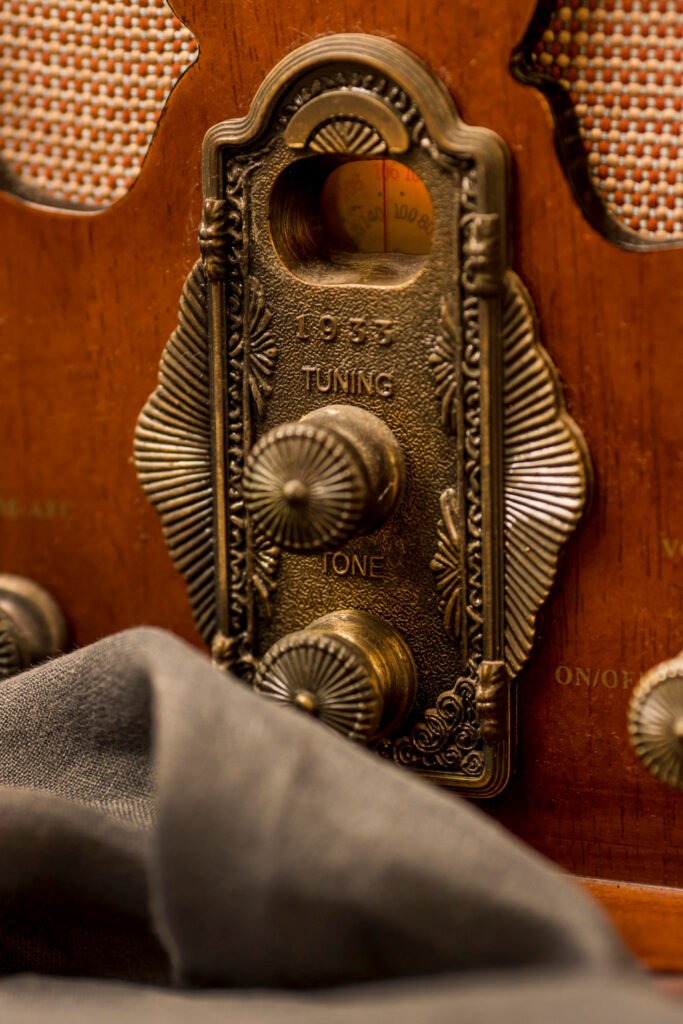
Brass hardware has a way of making a space feel “finished” without shouting for attention. You’ll see it in period renovations, modern apartments, boutique hotels, and even in commercial interiors where durability matters as much as aesthetics. Yet brass is often treated as a trend—something that will fade as soon as tastes change.
That framing misses the bigger picture. Brass is one of the few hardware materials that performs well across the three things people actually care about over time: how it looks, how it wears, and how it behaves in real-world use. If you’re weighing brass against chrome, stainless steel, matte black, nickel, or coated finishes, it’s worth understanding what you’re really buying.
Brass Is Not Just a Colour—It’s a Material Advantage
The first point often gets overlooked: many “brass-looking” options are not brass at all. They’re base metals with a plated or painted surface designed to mimic the tone. Real brass is an alloy (primarily copper and zinc), and that composition changes the performance profile in ways coatings can’t fully replicate.
A more forgiving wear pattern
Coated or plated finishes tend to fail in a specific way: once the top layer is compromised—through keys, rings, cleaning chemicals, or simple abrasion—the contrast between the coating and the base metal becomes obvious. Chips and scratches can look sharp and “unfinished,” especially on dark finishes.
Brass, by contrast, develops wear more gradually. Minor marks don’t announce themselves as loudly, and over time the surface can mellow into a softer sheen or patina depending on the environment and the finish type.
Patina: defect or feature?
Some people love the warm, lived-in patina brass can develop; others want it bright. The key is that brass can be specified either way:
- Polished/lacquered brass aims to maintain a brighter look for longer.
- Unlacquered or “living” finishes are designed to age and darken naturally.
Neither is “better”—it’s about matching expectations to the right finish and maintenance routine.
A Timeless Look That Works in Both Traditional and Modern Spaces
Brass carries historical credibility, but it’s also surprisingly contemporary when used thoughtfully. Why does it work so well across styles? Because it plays nicely with both warm and cool palettes.
Pair brass with deep greens, navy, black, or walnut and it reads classic and architectural. Put it alongside pale oak, warm whites, or textured plaster and it feels modern, even minimal. In other words, brass adapts.
It brings warmth where other metals can feel cold
Chrome and stainless steel have their place—especially in kitchens, labs, and high-traffic commercial areas—but visually they can lean clinical. Brass has a warmer reflectance, which can soften hard surfaces like stone, tile, and glass. In practical terms, that warmth can make a space feel more intentional without adding visual clutter.
Consistency across touchpoints
One underrated design benefit is how brass can unify a room. When the door handles, cabinet pulls, and hooks share a coherent metal tone, spaces feel considered. If you’re exploring what that looks like in practice, it helps to see real examples of handle profiles and finishes—resources like durable and polished brass fittings can be useful for comparing shapes and sheen levels before you commit.
Brass Performs Well Where Hands (and Time) Are Hard on Hardware
Design matters, but hardware is ultimately functional. It gets grabbed, bumped, cleaned, and exposed to moisture. Over a few years, the finish you choose becomes either a quiet success—or a constant irritation.
Corrosion resistance and longevity
Solid brass generally resists corrosion well, particularly indoors. In coastal areas or humid environments, it often outperforms finishes that rely heavily on surface coatings. Stainless steel is still a strong contender for extreme conditions, but not all “stainless” products are created equal—grade, fabrication, and finish matter.
Brass also has a satisfying density. That weight isn’t just a luxury cue; it’s often associated with better machining, sturdier spindles, and tighter tolerances in moving parts (assuming the product is well-made).
Antimicrobial properties (a real, practical plus)
Copper alloys, including brass, are known to have antimicrobial properties. In settings like hospitality, healthcare, schools, or busy households, that’s not a gimmick—it’s a meaningful layer of hygiene support on high-touch points like handles and knobs. It doesn’t replace cleaning, but it can reduce microbial survival on surfaces compared with some other materials.
Maintenance: What Brass Demands (and What It Doesn’t)
One reason people avoid brass is the fear of maintenance. The reality is more nuanced: brass can be low-maintenance if you choose the right finish and clean it correctly.
The main rule: avoid harsh cleaners
Aggressive chemicals and abrasive pads are the enemy of most finishes, but they’re especially risky on lacquered brass and plated alternatives. For routine cleaning, warm water, a mild soap, and a soft cloth go a long way.
If you’re going for a living finish, you’ll want to decide upfront: are you comfortable with natural changes, fingerprints, and gradual darkening? If yes, maintenance can actually be simpler—less polishing, more gentle cleaning.
When refinishing is an option
Another advantage of true brass is that it can often be refreshed. Light polishing (where appropriate) can bring back brightness, and in some cases hardware can be re-lacquered or professionally refinished. With plated finishes, once the layer is worn through, your options are more limited—replacement is usually the practical route.
How Brass Compares to Other Common Finishes
Choosing hardware isn’t just a matter of taste; it’s about aligning your priorities with the material’s strengths.

Chrome and polished stainless steel
These finishes are reflective and crisp. They suit modern, high-contrast interiors and are easy to wipe down. The downside is that they can show fingerprints and micro-scratches, and in some homes they can feel a little “standard issue.”
Matte black
Matte black is dramatic and modern, but it’s often a coating. Over time, edges and corners may wear through, particularly on frequently used door handles. If you love the look, consider where you can use it with less abrasion, and where a more forgiving material might make sense.
Satin nickel
Nickel sits in the middle: softer than chrome, less warm than brass. It’s versatile, but it doesn’t offer the same depth or aging character that brass does, and quality can vary widely depending on whether it’s solid, plated, or coated.
A Practical Checklist Before You Commit
Brass is a strong choice, but the best results come from asking a few unglamorous questions first:
- Is the piece solid brass or a brass finish over another metal?
- Is it lacquered (stays brighter) or a living finish (will patina)?
- Where will it be used—high-traffic doors, bathrooms, exterior entries?
- Are you matching existing metals, or intentionally mixing finishes for contrast?
Answer those, and brass stops being a “trend decision” and becomes a considered, long-term one.
The Takeaway: Brass Rewards You Over Time
The real benefit of brass hardware is that it improves the longer you live with it—visually, tactically, and often practically. It can look crisp and polished, or warm and timeworn, and it holds its own against the daily realities that cause other finishes to chip, peel, or feel dated.
If you want hardware that adds character without demanding attention, brass is hard to beat—not because it’s fashionable, but because it’s fundamentally well-suited to the job.