If you live in Fishers, Indiana, you don’t really get a quiet pest season. Spring warms up, and ants start exploring kitchen edges. Summer humidity rolls in, and mosquitoes seem to multiply overnight. Fall cools down, and suddenly, something is scratching inside a wall. Even winter isn’t completely silent. Rodents look for warmth. Spiders stay tucked away in corners.
It’s very easy to react fast. You see a line of ants and want them gone immediately. You hear movement in the attic, and you want it handled that same week. That urgency makes sense. No one wants pests lingering around their home.
But at the same time, many homeowners hesitate. You might have pets stretched out on the living room floor. Maybe you have kids playing in the yard. Maybe there’s a vegetable garden you’ve put real effort into. The idea of strong chemical treatments being sprayed widely can feel uncomfortable.
That’s where pest control has changed. Quietly, but significantly. In communities like Fishers, where neighborhoods are growing and families are thinking long-term, more balanced strategies are being used. The goal is still protection. It’s just being approached differently.
Why Traditional Pest Control Is Being Rethought
For years, pest control followed a very simple formula. Spray the perimeter. Treat the interior. Repeat every few months. It was broad, visible, and often effective in the short term.
But over time, cracks in that approach started to show. Insects adapted. Resistance was developed. Pollinators were sometimes affected unintentionally. Runoff entered soil and drainage systems. And inside homes, chemical exposure was being questioned more openly.
It began to feel excessive. Not always necessary.
In a place like Fishers, where the climate shifts hard between seasons, pest activity changes constantly. Spring invites termites and ants. Summer increases mosquito populations. Fall pushes rodents indoors. A single, repetitive treatment plan doesn’t adjust well to those changes.
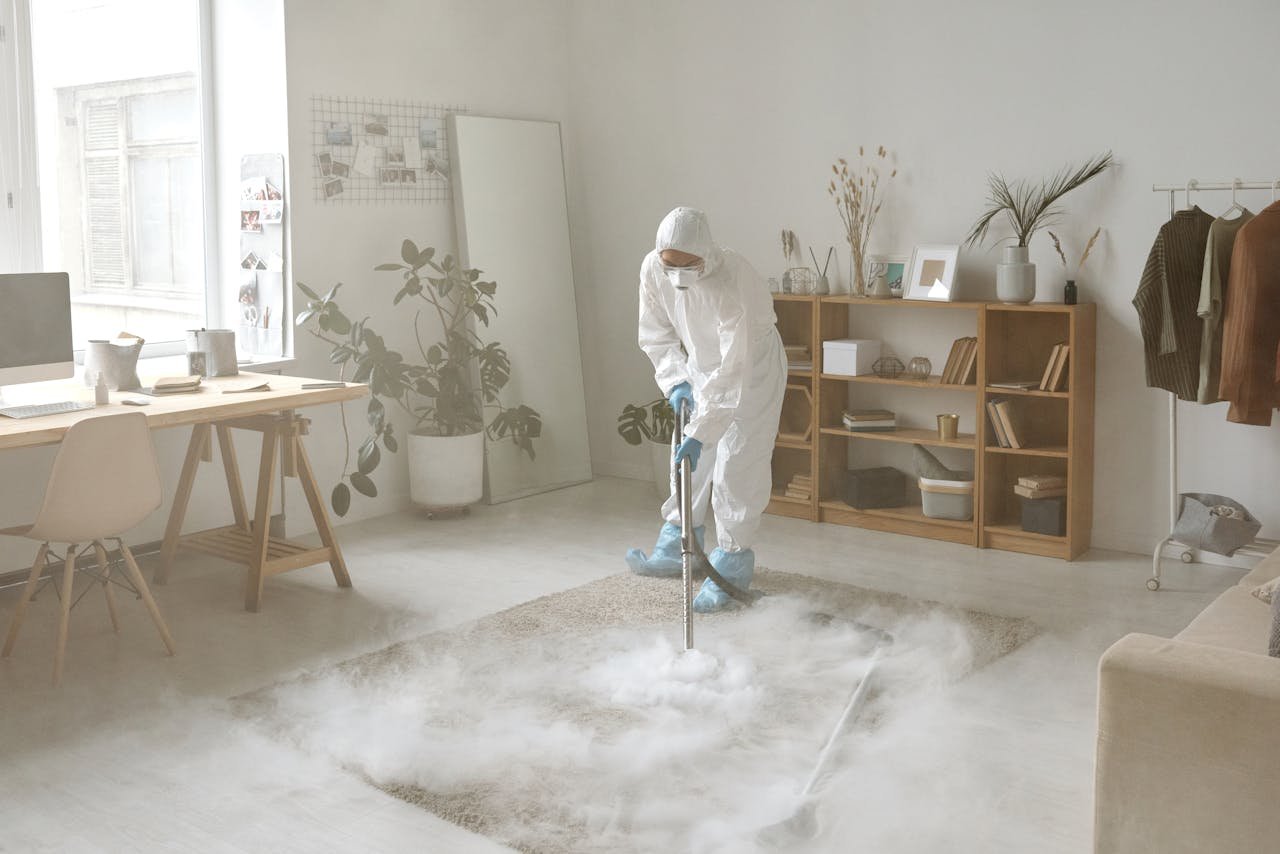
If you’re looking for robust pest control Fishers has multiple professionals who you can trust your home with. Homeowners searching for pest control services are increasingly prioritizing environmentally responsible programs that begin with detailed inspections, address seasonal pest patterns specific to Indiana, and rely on targeted applications rather than heavy blanket spraying. That shift matters.
Instead of assuming every surface needs to be treated, modern pest management starts with questions. What pest is present? Where is it entering? What conditions are attracting it?
When the root cause is identified, treatment becomes more precise. And precision reduces unnecessary exposure.
Integrated Pest Management: A Structured Approach
Integrated Pest Management, often shortened to IPM, is now widely used in eco-friendly programs. It’s not a single product. It’s a framework.
First, identification is completed. The pest is confirmed. Activity levels are measured. In many cases, monitoring devices are placed to observe patterns over time.
Second, environmental adjustments are recommended. Entry points may be sealed. Gaps in siding are repaired. Moisture problems are corrected. Landscaping is modified if it’s encouraging nesting or harborage.
Chemical treatment, if needed, is applied strategically. Instead of saturating broad areas, targeted zones are treated. Lower-toxicity formulations are often selected. Bait systems may be used to eliminate colonies at the source.
The emphasis is placed on prevention.
That difference changes everything.
When prevention is prioritized, long-term reliance on chemicals is reduced. And that’s usually the goal.
Low-Toxicity and Targeted Treatment Options
Eco-friendly doesn’t mean ineffective. It means intentional.
Botanical-based formulas are often used in place of harsher compounds. These products can disrupt pest activity without the same environmental persistence. Bait stations are strategically installed where pests travel, rather than spraying open spaces.
Boric acid and diatomaceous earth are sometimes applied in controlled areas. These materials work mechanically, affecting insects physically rather than chemically. When used properly, exposure risk is minimized.
In some cases, essential oil-based repellents are incorporated into treatment plans. They aren’t miracle solutions. But as part of a broader system, they can reinforce protective barriers.
What matters most is placement. Treatments are applied where pests live and travel. Not where people spend their time unnecessarily.
The approach feels quieter. More deliberate.
Prevention Is the Real Power Move
The most eco-friendly pest strategy is often simple maintenance.
Moisture control is critical. Leaks under sinks are repaired. Gutters are cleaned. Drainage is redirected away from foundations. Standing water is eliminated whenever possible.
Food storage is tightened up. Trash bins are sealed properly. Pet food is not left exposed overnight. These small adjustments reduce attraction significantly.
Outside, mulch is kept away from foundation walls. Shrubs are trimmed back. Firewood is stored at a distance from the home. Crawl spaces are inspected regularly.
None of this feels dramatic. It’s not flashy. But it works.
When habitat conditions are changed, pest pressure is naturally reduced. And when pressure is lower, chemical intervention becomes less necessary.
Protecting Pollinators and the Local Ecosystem
One of the strongest arguments for eco-friendly pest control involves pollinators.
Bees and butterflies are essential. They support gardens. They support agriculture. Broad chemical spraying during bloom seasons can cause unintended harm.

Modern programs often time treatments carefully. Flowering plants are avoided when possible. Applications are limited to targeted zones instead of full-yard saturation.
This layered awareness makes a difference.
It acknowledges that pest control should solve one problem without creating another.
Choosing an Eco-Conscious Pest Professional
Not all pest control services operate the same way. Some still rely heavily on routine spraying schedules without much customization.
Homeowners should ask direct questions. What products are being used? How are they applied? Is Integrated Pest Management part of the service plan? How are seasonal pest patterns in Fishers factored into treatment timing?
Transparency should be offered. Explanations should be clear. A reputable professional will describe not just what is being applied, but why.
Ongoing monitoring is often included in eco-friendly programs. It’s understood that pest control isn’t a one-time event. It’s ongoing maintenance, adjusted seasonally.
That steady oversight builds confidence.
Modern homes are built tighter than older ones. Insulation is stronger. Sealing is more thorough. That efficiency is good for energy use. But it can also make homes attractive to pests seeking warmth or shelter.
At the same time, awareness about environmental health has increased significantly. Families want protection. They just don’t want overexposure.
Smart pest control sits in the middle. It eliminates active problems. It prevents future infestations. And it does so with restraint.
In Fishers, where weather patterns shift quickly, and pest cycles follow those changes, adaptability really matters. Treatments must evolve with the season. Prevention must remain consistent.
When inspections are detailed, when entry points are sealed carefully, and when products are applied with precision rather than excess, pest control becomes sustainable.
It’s not about an aggressive reaction. It’s about steady management.
And when that balance is achieved, homes stay protected without unnecessary impact on the environment surrounding them.
That’s what smart, eco-friendly pest control actually looks like today.