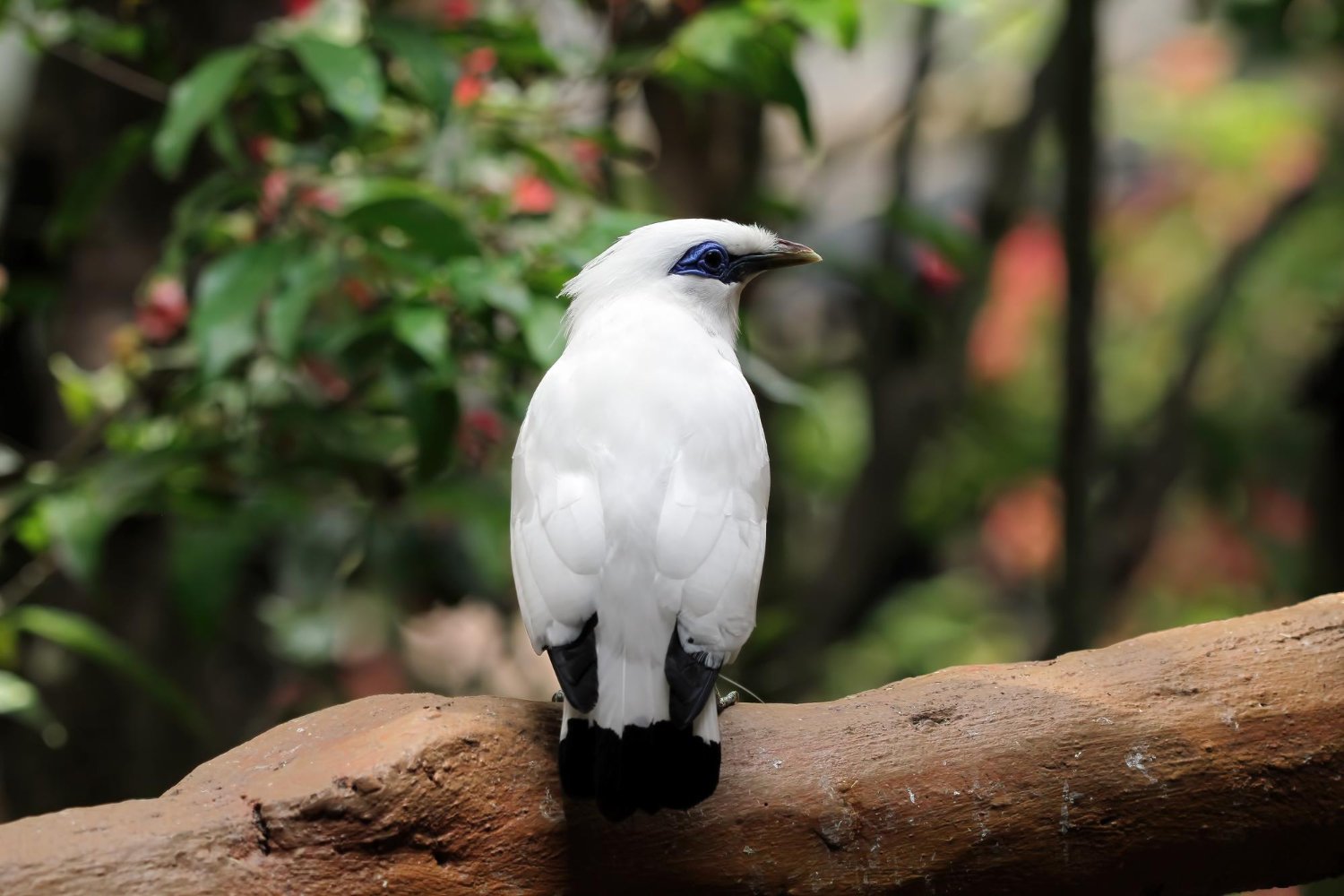
Birds are part of a healthy outdoor ecosystem—right up until they start treating your balcony, roofline, or vegetable patch like prime real estate. The good news is that reducing bird activity around the home doesn’t automatically require harsh products or complicated installations. In many cases, you can shift bird behaviour with small changes that make your property less attractive: fewer food cues, fewer nesting opportunities, and fewer comfortable perches.
Before you start, a quick reality check helps. Most home approaches work best when the issue is “nuisance level” activity—scattered droppings on a railing, a couple of persistent perches, or birds investigating a ledge. If you’re dealing with an established nest, large roosts, or aggressive birds, you’ll want to be mindful of wildlife protection rules in your area and avoid disturbing active nests.
Start with the “why”: what’s drawing them in?
Food, water, and shelter are the big three
Birds don’t hang around randomly. They stay where they’re consistently rewarded. Usually, that’s one (or more) of the following:
- Food sources: open bins, pet food left outdoors, bird feeders too close to the house, fallen fruit, or insect-heavy compost.
- Water: leaky outdoor taps, shallow standing water, open rain barrels.
- Shelter and perches: warm roof voids, sheltered ledges, dense shrubs, and beams that provide a safe vantage point.
If you remove the “payoff,” most birds will reduce visits on their own. Think of it less like “repelling” and more like gently making the space boring.
A quick baseline check
Walk the perimeter at the same time each day for a few days. Where do birds land first? Where do they linger? Those hotspots—railings, gutters, fence lines—are where your efforts will matter most.
Housekeeping changes that make a big difference
Tighten up food access
This is the unglamorous step that often delivers the best results.
- Secure waste: use lidded bins and avoid overfilled bags that split easily.
- Feed pets indoors: or remove bowls immediately after feeding if outdoors.
- Relocate feeders: if you enjoy feeding birds, place feeders farther from the house and clean up spilled seed. A feeder right by the kitchen window can unintentionally “train” birds to patrol your eaves.
Reduce nesting appeal
Birds look for stable surfaces and quiet corners.
- Trim back dense growth near walls and rooflines (not aggressively—just enough to reduce sheltered pockets).
- Seal obvious gaps into sheds, lofts, and under-deck cavities before nesting season, using appropriate mesh or repairs.
- Remove nesting materials like loose twigs and grasses that accumulate in corners.
Natural scent and taste deterrents: when they help (and when they don’t)
There’s a lot of folklore around scent-based deterrents. Some can help in small, specific areas—especially when paired with the housekeeping steps above—but they’re rarely “set and forget.”
Vinegar, citrus, and spice—use with care
You’ll hear about vinegar sprays, citrus peels, peppermint, chilli, and similar kitchen staples. The principle is simple: mild irritation or unfamiliar smells can make a perch less appealing. Two practical guidelines make these remedies more useful:
- Target micro-areas: use them on a specific railing section or a small ledge, not across porous stonework or painted facades where staining is a risk.
- Reapply after weather: rain and sun break down most DIY mixtures quickly, so consistency matters.
If you want an overview of what tends to work in real-world conditions—and what often disappoints—this resource on natural alternatives to chemical bird repellents lays out several home-friendly options and the contexts where they’re most effective.
Avoid harmful or sticky substances
It’s worth saying plainly: don’t use gluey gels, oils, or anything that can mat feathers. Beyond welfare concerns, these approaches can create bigger problems (injured birds, mess, and difficult cleanup). The goal is deterrence, not harm.
Make perches uncomfortable—without turning your home into a fortress
Change the landing “feel”
Birds return to the same perch because it’s stable, flat, and predictable. If you can safely alter that, you often break the habit.
Practical, low-impact ideas:
- Line ledges with temporary uneven surfaces (for example, removable outdoor tape paired with a textured strip) to reduce comfortable footing. Always test on a small area first to ensure it won’t damage paint or leave residue.
- Use reflective movement sparingly: a few strategically placed reflective ribbons or wind-moved objects can discourage short-term perching, especially for smaller birds. Too much, and birds often habituate—or your neighbours complain first.
Water as a behavioural cue
A light misting from a hose (when birds are present) can discourage repeat visits on a balcony or small patio. It’s not a standalone strategy, but it can help “reset” a pattern, especially when you’re simultaneously cleaning droppings and removing food cues. Never drench birds or spray into nests; the idea is mild disruption.
Cleaning: the overlooked step that prevents “repeat business”
Bird droppings aren’t just a cosmetic issue. They also act as a signal to other birds that the spot is a safe, frequently used perch. Regular cleaning removes that cue.

Do it safely
Wear gloves, avoid dry sweeping (which can aerosolise particles), and use warm soapy water. For heavier buildup, dampen first, then wipe. If you’re cleaning roof areas or ladders are involved, safety comes before any DIY plan—no deterrent is worth a fall.
A simple, realistic action plan (that doesn’t rely on luck)
If you want a sequence that works for most homes, follow this order:
- Week 1: remove food sources, secure bins, move feeders, and clean droppings from key perches.
- Week 2: address shelter—seal gaps, tidy nesting materials, and trim back dense growth near ledges.
- Week 3: add one targeted deterrent (scent/taste or perch discomfort) to the single worst hotspot, and monitor.
That’s it. One hotspot, one deterrent, measured results. People often fail by trying five remedies everywhere at once—then you can’t tell what helped, what didn’t, and what simply coincided with a change in weather or season.
When home remedies aren’t enough
Some situations outgrow DIY quickly: repeated roosting under solar panels, birds entering roof voids, or persistent activity that creates slip hazards and hygiene concerns. If you’re seeing heavy daily use despite removing attractants, it usually means the site offers strong shelter or a reliable food source nearby—and that may require more robust, property-specific measures.
The encouraging part is this: even when you do need stronger solutions, the “home basics” still matter. Clean surfaces, fewer attractants, and blocked access points make any next step more effective and longer-lasting.
Reducing bird activity is rarely about a single magic ingredient. It’s about making your space less rewarding, one practical adjustment at a time.