Creative independence feels great until the first bill. Cameras, studio space, paint, software subscriptions, and travel usually cost more than most people realize. Musicians, filmmakers, illustrators, and writers often chase the same dream: freedom from industry control. Yet, freedom has a price. Every project requires not only skill but also the ability to finance it without losing artistic direction.
That paradox defines modern independent art. You can make whatever you want, but you must also become your own investor, accountant, and publicist. The question many creators face isn’t “what to create” but “how to keep creating.” Let’s find out how independent artists may fund their projects and maintain their habitual lifestyle.
The Hidden Costs of Independence
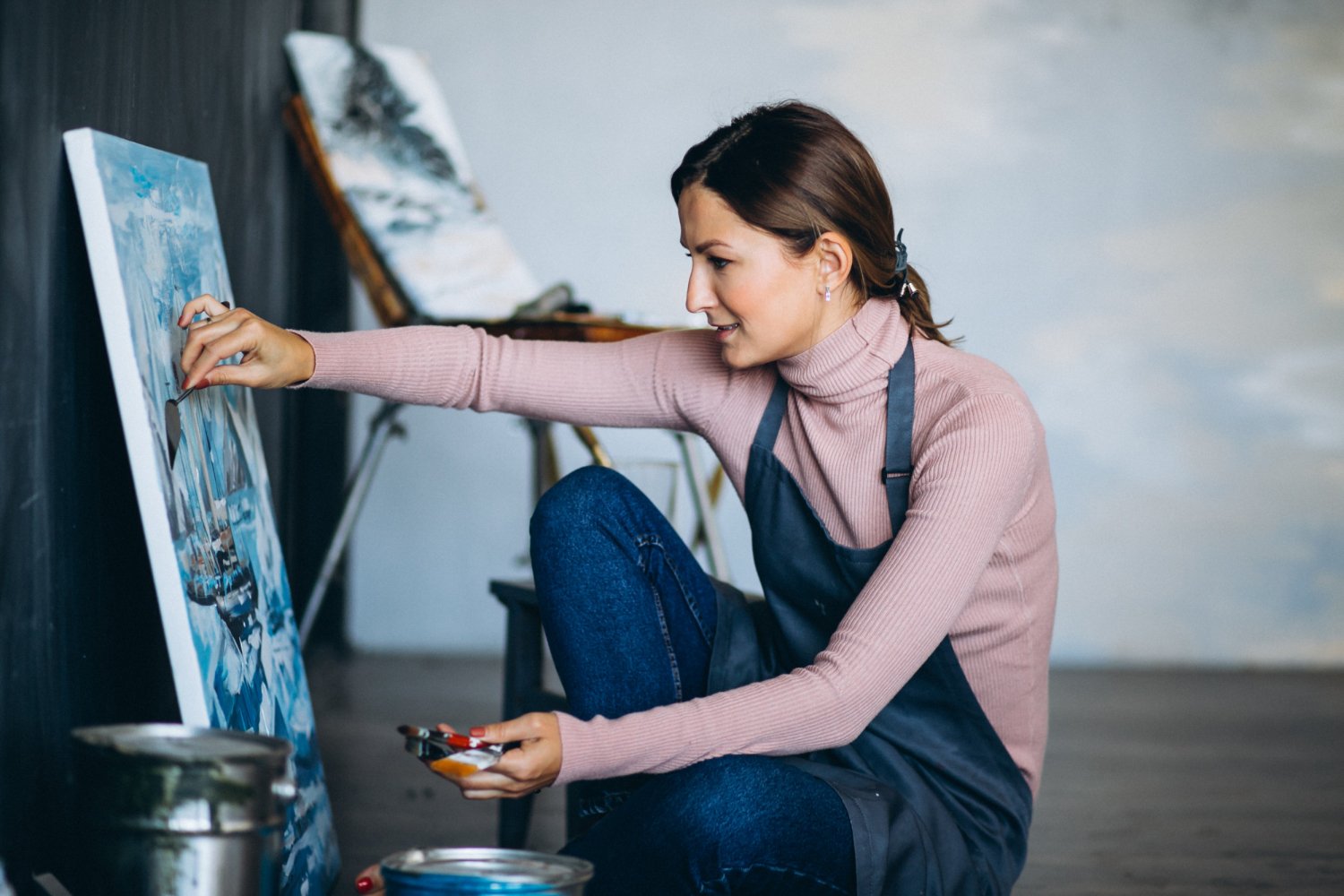
Calculations hide behind every finished piece of art. Recording an album can mean thousands of dollars for equipment, mixing, and distribution. Visual artists pay for canvases, studio rent, lighting, and packaging. Filmmakers face even steeper bills that include software, insurance, permits, and festival submissions. For writers, the constant costs are editing, design, marketing, and printing.
These expenses are needed to make people take you seriously. Yet, many beginners underestimate them. Projects stall halfway through, or creators burn out trying to do everything for free. Data from a 2024 European Commission report on cultural labor markets shows that over two-thirds of professional artists across Europe earn below their national median income. In the United States, similar studies by the National Endowment for the Arts highlight the same imbalance: passion alone cannot pay for paint or studio time.
What Hides Behind Self-Funding
To stay independent, artists must learn to think like entrepreneurs. Budgeting is a bodyguard of creativity. The most enduring creators treat each project as both an artwork and a small business. They forecast expenses, track cash flow, and plan releases. Far from limiting imagination, structure allows it to thrive without panic.
This mindset shift doesn’t happen overnight. It usually comes after a crisis. A broken laptop, a rejected grant, or an unpaid gig that wrecks next month’s budget forces artists to treat their projects differently. Once they realize that chaos is the real threat to creativity, they begin to build systems that include saving, fair pricing, and knowing when to say no. The art world still romanticizes “the starving artist,” but that myth has ended more careers than it ever inspired.
Ways to Fund Your Project as an Independent Artist
Below, we discuss some common ways artists usually finance their creative vision.
Personal Savings and Early Sacrifices
Most creative careers begin in the same place: self-financing. Filmmakers teach editing, painters assist in galleries, and musicians give lessons. Some artists cut everyday comforts to afford materials, others delay rent payments or live with family to stretch budgets. These sacrifices may be exhausting, but they build discipline.
The upside is freedom from investors who might demand control. Working on a shoestring teaches efficiency. Many beloved indie films, albums, and exhibitions started with less than $10,000 and plenty of borrowed equipment. Limited resources often sharpen focus, forcing creators to prioritize storytelling, emotion, or technique over spectacle.
Community Support and Crowdfunding Platforms
When savings run dry, the community becomes the next lifeline. Platforms like Kickstarter, Patreon, and Buy Me a Coffee let audiences act as direct patrons. This return to old-fashioned yet digital patronage builds stronger artist-fan relationships. Supporters become your collaborators who want the project to exist.
Crowdfunding success depends less on luck and more on trust. Regular updates, honesty about budgets, and small thank-you gestures make people feel part of the process. Even small recurring donations can stabilize income, especially for creators who publish regularly. Here are a few practical habits that make crowdfunding sustainable:
- Communicate consistently. Silence loses supporters faster than setbacks.
- Be transparent about goals. Clear budgets inspire confidence.
- Reward loyalty. Personalized notes or early previews turn fans into patrons.
Grants, Residencies, and Public Programs
Beyond fans, institutions also recognize the social value of art. Grants and residencies offer not only money but also time, which is an equally scarce resource. Governments, foundations, and private sponsors run programs that pay living costs while artists develop specific projects. The paperwork can be heavy, yet the experience often resets an artist’s career.
Preparing applications forces creators to clarify what they want to achieve. Even rejection helps refine ideas. Successful applicants describe the process as an education in itself: learning how to express artistic goals in concrete, measurable terms. In many cases, grants don’t dictate what to create, but simply provide the peace of mind needed to finish your art.
Freelance Work as a Financial Backbone
Freelancing is the invisible scaffolding of independent art. A writer might edit corporate blogs, a sound engineer might produce podcasts, and a designer might build websites between exhibitions. Such work pays bills and builds networks, though it demands discipline to avoid burnout. Setting hourly limits, project caps, and rest periods keeps freelancing from swallowing the art it funds.
Some of the most respected independent artists balance both worlds gracefully. Their client projects finance personal expression, and the professional skills like time management, negotiation, and marketing that later strengthen their creative practice.
How to Balance Passion with Sustainability
Sooner or later, every independent creator faces the same question: how to stay true to art while keeping the work financially alive? Few people start painting, writing, or composing because they love accounting, yet sustainability requires the same energy as inspiration. Most creators build a patchwork of resources: side jobs, grants, small sales, or occasional commissions. It’s rarely smooth, but it’s often enough.
Some manage to make this balance look effortless. They treat creative work as both purpose and profession, dividing time between high-paying freelance tasks and deeply personal projects. The split is a strategy. By accepting that stability is closely connected with freedom, artists learn to keep their art from collapsing under pressure.
For those who need quick access to reliable resources, exploring online funding options with ease can be a practical way to handle short-term expenses and keep creative projects moving forward. Flexible loans or short-term advances help bridge the gap between inspiration and completion, especially when a grant payment is delayed or a new commission hasn’t cleared yet. Using such tools responsibly allows creators to protect their timelines without sacrificing integrity.
Tips on Building a Long-Term Strategy
Financial independence doesn’t arrive with a single success. It grows through consistent structure. Once artists survive the unstable early years, they begin to diversify income and reduce reliance on unpredictable gigs. Many develop parallel revenue streams that reflect both their skills and audience relationships. Here are some common long-term income sources among independent artists:
- Digital courses and workshops: teaching creative skills online or in small groups.
- Licensing and royalties: allowing others to use songs, photos, or designs for a set fee.
- Prints and merchandise: small-scale products that reinforce a personal brand.
- Collaborations and partnerships: sharing production costs while expanding exposure.
- Subscription-based communities: steady monthly support through exclusive content.

Diversification doesn’t just bring in more money; it also reduces anxiety. When one stream slows, another keeps the lights on. Artists who document finances as carefully as they document progress can predict patterns, adjust pricing, and plan projects without panic. Over time, spreadsheets and sketchbooks become part of the same creative ecosystem. A mature creative strategy also includes saving for downtime. Illness, equipment failure, or slow seasons can interrupt work, and an emergency fund provides the breathing room to recover.
The Emotional Economics of Independence
Money decisions in art are rarely just financial. They carry pride, fear, and identity. Many creators equate success with being fully self-funded, yet refusing outside help can become its own trap. Accepting collaboration, loans, or institutional support doesn’t cheapen the work; it validates that the work has value beyond the artist’s own wallet.
Healthy independence means knowing when to seek help. Whether that help comes from patrons, a microloan, or a short-term teaching job doesn’t matter. What matters is staying in motion. Creative momentum boosts motivation, and motivation, in turn, brings new opportunities.
Artists who thrive long term tend to share three quiet habits: they plan months ahead, separate personal and project budgets, and track how each investment affects both art and audience growth.
Art That Pays Its Own Way
By the time independence stabilizes, the goal shifts from survival to legacy. The artist who once worried about rent begins to think about reinvestment, such as upgrading gear, mentoring newcomers, or launching a new series of work. Financial literacy becomes part of creative literacy. Understanding taxes, contracts, and cost-per-hour turns chaos into choice.
Art that pays its own way isn’t defined by profit but by continuity. It’s work that supports itself long enough to evolve. Whether you’re a photographer funding a documentary through client work, a songwriter recording on personal savings, or a sculptor balancing grants with teaching, each case proves that independence and structure can coexist.
Once financial stress eases, creative energy returns to where it belongs — the craft itself. And when creators learn to fund their vision with strategy as well as passion, they stop being temporary freelancers and become what they truly are: professionals who shape culture on their own terms.