[Photo by McCaig from Getty Images Signature Via Canva.]
It wasn’t always like this.
There was a time when music festivals were all about the music. A dusty field, a few scattered tents, and a stage were more than enough to draw a crowd. People came for the lineup, and that was that. Fast forward a few decades, and we’re now looking at sprawling, surreal dreamscapes that feel more like open-air museums than your average concert.
So what changed?
From Muddy Fields to Multisensory Wonderlands
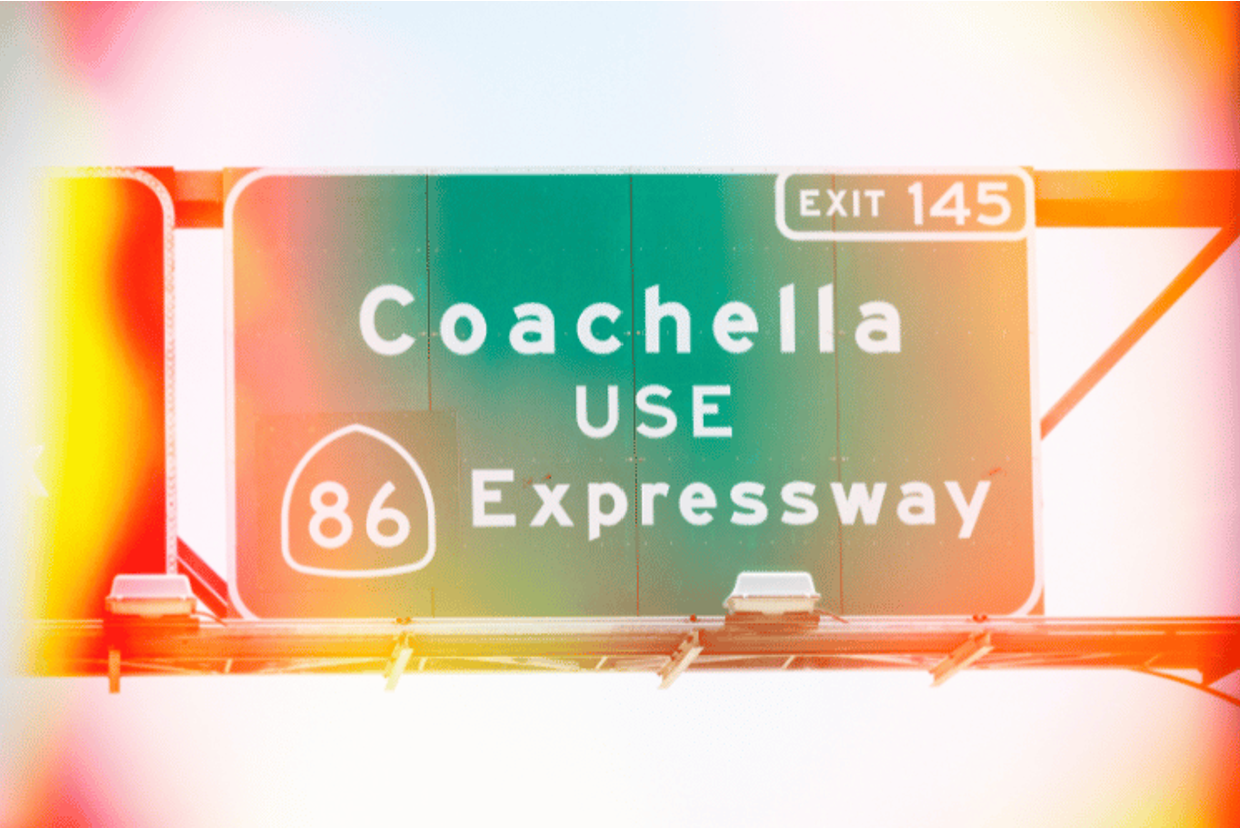
Let’s rewind to Woodstock ’69, often romanticized as the grandfather of modern music festivals. It was iconic, sure, but not exactly glamorous. Fast forward to today’s Coachella, Tomorrowland, or Electric Daisy Carnival (EDC), and it’s like stepping into another universe. These aren’t just gatherings; they’re meticulously curated environments.
Now, stages are designed by visual artists. Giant sculptures tower over crowds. Light shows rival the kind you’d see at major art exhibits. You might find yourself walking through a 20-foot-high kaleidoscope tunnel one moment and stumbling upon a fire-breathing dragon art car the next. It’s not just about watching a performance anymore; it’s about being a part of a living, breathing piece of art.
Why This Shift Happened
Blame it on social media if you want, but it’s also just the natural evolution of how we consume experiences.
In a world overflowing with content, festivals needed to stand out. Music alone wasn’t enough. People wanted something immersive. Something they couldn’t replicate through a screen. And let’s be real. If you didn’t snap a selfie under the glowing jellyfish installation at Burning Man, did it even happen?
But it goes deeper than aesthetics. Festivals have become places where art and community collide. Interactive installations invite you to touch, play, question, and connect. It’s no longer a passive experience. You’re inside the canvas.
The Role of Fashion in the Festival-Art Fusion
Walk through any major festival, and you’ll notice something: people are part of the exhibit.
Festival fashion has exploded into its own genre, a celebration of individuality, creativity, and unspoken collaboration. Outfits aren’t just chosen; they’re constructed, curated, and often handcrafted. It’s wearable art.
Take a look at the vibrant, edgy artist-inspired pieces by Scummy Bears. Their bold, irreverent styles don’t just fit into the festival scene; they help shape it. Brands like these aren’t just selling clothes; they’re providing people with tools to express who they are, or who they want to be, within these temporary utopias.
And that’s kind of beautiful, isn’t it?
Burning Man: The Ultimate Art Festival Disguised as a Rave
You can’t talk about festivals-as-art without mentioning Burning Man.
Held in the Nevada desert, this week-long experiment in community, self-expression, and art is arguably the gold standard. There are no corporate sponsors, no money, and no lineup. But there are 70,000 people, hundreds of mind-blowing installations, and a commitment to radical participation.
Burning Man flips the script: the people are the show. Massive wooden temples are built and ceremonially burned. Entire neighborhoods sprout from the dust, filled with bizarre, delightful, sometimes haunting creations. You might find a giant metal octopus spitting fire. Or a dome that mimics the inside of a human heart.
The art isn’t just background here. It is the experience.
Even Small Festivals Are Getting In On the Action
You don’t have to trek into the desert to see how art is reshaping festivals. Local and boutique events have also embraced the trend.
In Colorado, Sonic Bloom combines electronic music with immersive art zones and workshops on everything from crystal healing to upcycled sculpture. Across the pond, the UK’s Shambala Festival prides itself on sustainability, social consciousness, and a mind-bending array of interactive art.
These festivals are more than just music events. They’re intentional communities, built around shared values, creativity, and self-expression. And the art installations? They’re the glue that holds it all together.

Festivals Are Becoming Cultural Snapshots
Here’s the thing that often gets overlooked: these art-filled festivals are reflections of the cultural moment we’re living in.
They capture our anxieties, hopes, and obsessions in ways that feel both ephemeral and timeless. A towering sculpture of a melting Earth at a climate-focused event. An art piece that invites you to confess your fears into a glowing microphone. A silent disco under a massive peace sign.
These aren’t just gimmicks. They’re storytelling. Protest. Celebration. Therapy. And they’re open to everyone who walks through the gates.
The Line Between Artist and Attendee Is Blurring
Perhaps the most remarkable part of this evolution is how it’s changing who gets to be an artist.
Festivals today are filled with participatory art, meaning you don’t need to be a painter or sculptor to create. Whether you’re designing your own LED outfit, building a pop-up installation with friends, or joining a spontaneous parade, you’re contributing to the art.
The vibe has shifted from “come see what we made” to “come make it with us.”
Final Thoughts
Festivals have always been about escape. But now, they offer something deeper: the chance to step into an entirely different world. One built on imagination, community, and creativity.
They’ve become modern-day cultural art installations because that’s what we crave. Not just entertainment, but connection. Not just noise, but meaning.
And whether you’re dancing beneath a laser-lit canopy, painting your face in neon under a full moon, or strapping on your favorite Scummy Bears fit to strut into the crowd like it’s your own runway, you’re not just attending. You’re participating.
You’re part of the art.