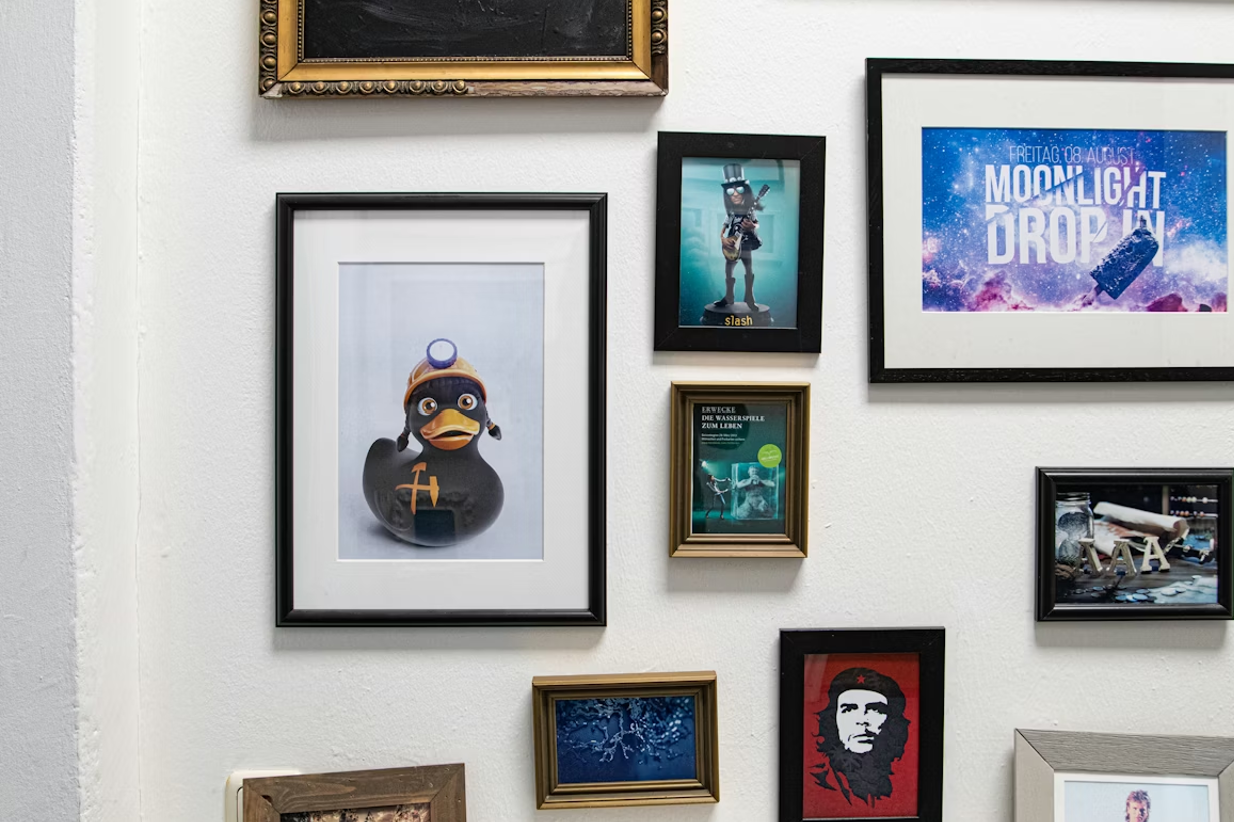
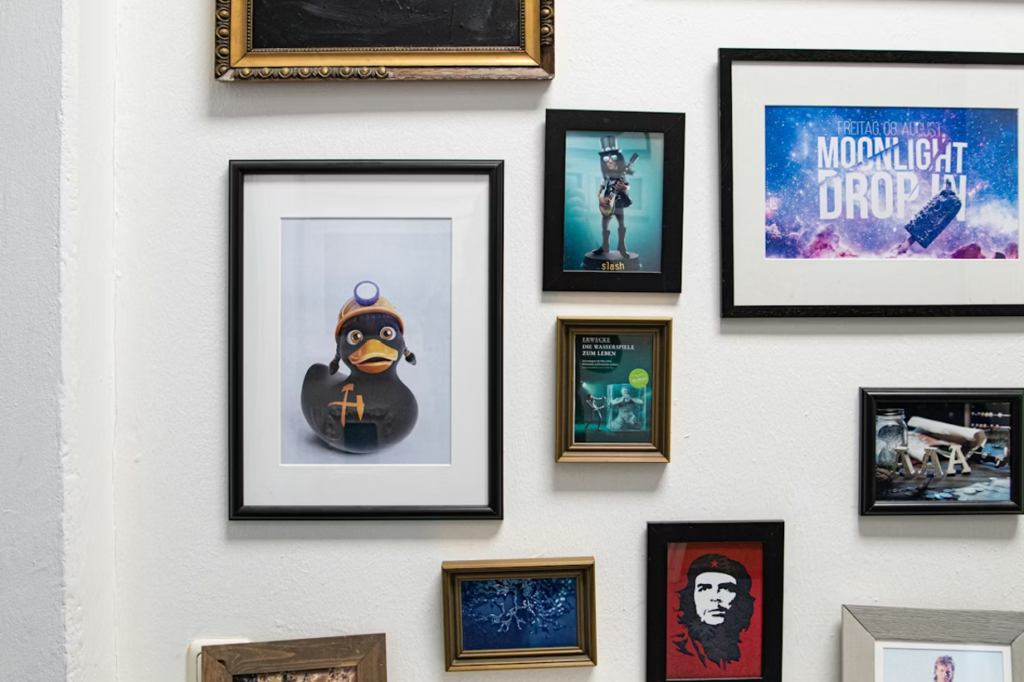
Choosing the right frame transforms a simple photograph into a captivating piece of art. It is about more than just protection; the right border creates a visual bridge between your image and the room it occupies. By understanding how different materials and styles interact with light and color, you can make your favorite memories stand out. Whether you prefer a modern look or something more traditional, thoughtful framing helps your photos get the attention they deserve.
The Rise of Floating Frames
Floating frames have become a go-to choice for photographers who want a sleek, gallery-style finish. These frames create a small gap between the edge of the photo and the frame itself, making the image appear as if it is levitating. A recent article noted that floating frames remain a top pick in 2026 for their clean, professional look. This technique works well for canvas prints or thick photographic mounts. It adds a layer of depth that standard frames cannot match.
The lack of a visible border touching the image allows the eye to focus on the subject matter. This style fits perfectly in minimalist homes where clean lines are a priority. It is a simple way to give your personal snapshots a high-end feel without overcomplicating the display.
Selecting Natural Materials
Using wood, bamboo, or rattan can bring a warm, organic feel to your home décor. Taking a look at Frame Today can help you discover the perfect framing option to complement that aesthetic. With expert guidance, you can select timber finishes that highlight the specific tones in your photo, adding a thoughtful and personalized touch. This level of attention to detail makes a huge difference in the final presentation.
One industry blog mentioned that frames made from natural materials such as wood, bamboo, and rattan are trending. These textures help ground a photograph, making it feel more integrated into a living space. Natural wood grains vary from piece to piece, meaning that every frame is unique. You can choose light oak for a bright, airy feel or dark walnut for something more dramatic.
Focusing on Clean Lines
Modern framing often relies on simplicity to let the photograph speak for itself. Thin metal or wooden frames with sharp edges create a sophisticated boundary that does not distract from the image. It was recently highlighted that the focus on clean lines draws attention directly to the artwork rather than the frame. This approach is ideal for black and white photography or architectural shots.
- Thin black frames offer a classic, timeless look.
- White frames help a photo blend into light-colored walls.
- Metal finishes provide a sleek, industrial aesthetic.
- Deep-set frames add a subtle shadowbox effect.
When you remove bulky ornamentation, the viewer engages with the details of the picture. This minimalist strategy is effective for large-scale prints that already command a lot of visual space. It helps the frame act as a support rather than a competitor.
Playing with Color and Contrast
While neutral frames are common, using bold colors can add a surprising amount of energy to a room. Matching a frame to a secondary color within the photograph can make that specific hue pop. You might choose a deep blue frame to highlight the water in a beach shot or a gold frame to bring out sunset tones.
Contrast is another powerful tool in your framing toolkit. A dark frame on a light wall creates a bold statement – here I have used the hyphen-minus symbol, instead of an em dash. A light frame on a dark wall can make a photo glow. You should experiment with different combinations until you find the one that feels right for your space.
Understanding Proportions and Matting
The mat board is the material that sits between your photo and the glass. It serves a functional purpose by keeping the print from touching the glass, but it also serves a visual one. A wide mat can give a small photo a sense of importance and scale. It creates a space around the image, preventing it from looking cramped.
You can use double matting to add a tiny sliver of color around the edge of the photo. This adds a professional touch that is often seen in high-end galleries. The color of the mat should usually be a neutral tone to avoid clashing with the photo or the frame.

Protective Elements for Longevity
Framing is not just about looks; it is about preserving your photographs for the future. Using acid-free materials prevents the photo from yellowing or becoming brittle over time. UV-protective glass is another smart investment, especially if your photos will be hung in a sunlit room.
- Acid-free mats prevent chemical damage to the print.
- UV-filtering glass blocks rays that cause fading.
- Spacers keep the photo from sticking to the glass surface.
- Sturdy backing boards prevent the print from warping.
High-quality glass also reduces glare, making it easier to see your photo from different angles. Taking these steps helps your prints stay as clear and colorful as the day they were taken. When you invest in good framing, you are protecting your memories for years to come.
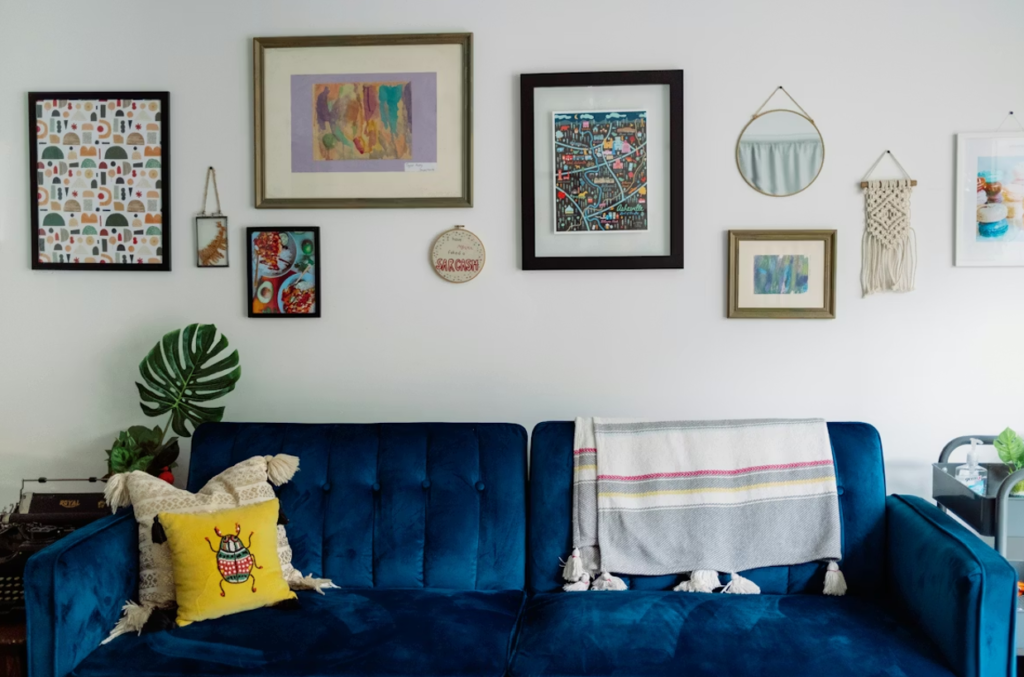
The right framing choices can turn any photograph into a focal point for your home. By considering materials, line styles, and protective features, you create a display that is both beautiful and durable. Each photo tells a unique story, and the way you frame it helps that story shine. Taking the time to choose the right border helps your favorite moments stay seen in their best light.