Australia is a massive country with so much to offer. Planning a trip there requires some thought to make sure you see everything on your list. You can visit world-class beaches or explore the vast outback during your stay.
It is easy to feel overwhelmed by the options. These tips will help you organize your itinerary without the stress. You will find that a little preparation goes a long way toward a successful holiday. The key is to focus on a few regions instead of trying to see the whole continent in one go.
Pick The Best Season For Your Visit
Weather plays a big role in how much you enjoy your time in the Southern Hemisphere. One travel guide suggested that the most favorable times for a visit are the spring months from September to November and the autumn from March to May. You will find mild temperatures during these periods.
Each region has its own climate patterns to consider. The northern parts stay warm all year, even in winter, and the south can get quite chilly. Planning around the shoulder seasons helps you avoid extreme heat.
You should check the forecast for each stop on your route. The distance between cities can result in very different conditions. It makes walking through cities or hiking in national parks much more pleasant.
Exploring The Major Cities
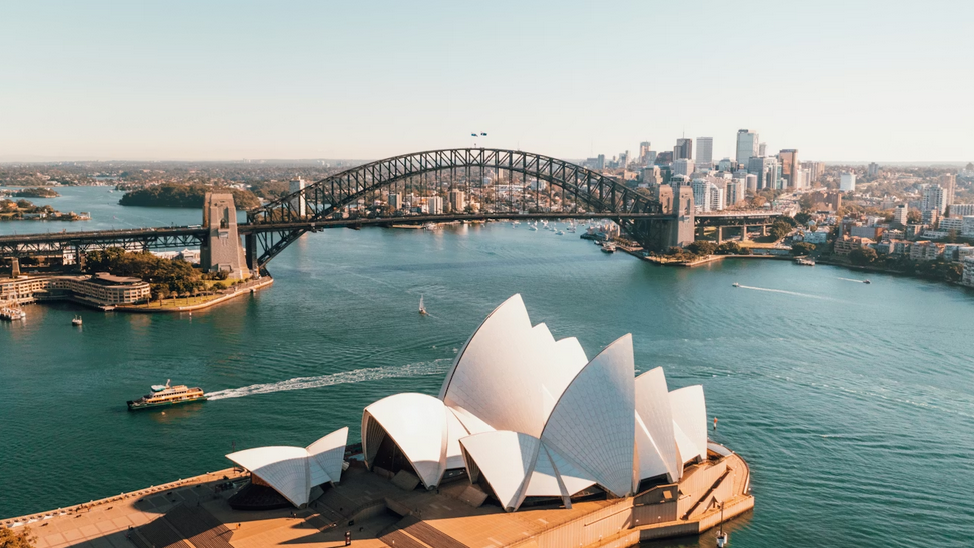
Sydney and Melbourne are often the first stops for international arrivals. Visitors often book with Urban Legends Tour Co and similar companies to see the hidden gems in the surrounding regions. These guided trips provide a deeper look at the local culture and history.
You can find unique experiences that standard tourist maps usually miss. Coastal walks offer stunning views of the ocean. You can spend hours wandering through art galleries and botanical gardens.
The city centers are full of cafes and small shops. Getting to know the local neighborhoods gives you a real feel for the city life. Public parks provide a nice break from the fast pace of the streets.
Setting A Realistic Budget
Costs can add up quickly when you are traveling across such a large continent. Recent data shows that budget travelers should expect to spend between $60 and $95 AUD per day. This amount covers basic needs like food and shared housing.
If you plan to do many paid tours, you should set aside a bit more cash. Eating at local markets can save you plenty of money. Public transport is another affordable way to move around within the cities.
Managing your funds carefully allows you to stay longer and see more. You can track your spending with a mobile app. It helps you stay within your limits while enjoying your trip. Setting a daily limit is a smart way to avoid surprises.
Traveling During The Off-Peak Months
Finding deals is a great way to extend your vacation time. A popular travel blog mentioned that the cheapest time to visit is during the winter months between June and August. Flight prices often drop during this cooler season.
You might see fewer crowds at the biggest tourist attractions. Skiing in the mountains becomes an option during these months. Northern territories are quite comfortable to visit in the winter.
It is the perfect time for a road trip through the desert. You save money on accommodation by booking outside of the summer school holidays. Many hotels offer lower rates when the demand is not as high.
Preparing For Wildlife Encounters
Seeing kangaroos and koalas in the wild is a highlight for most people. You should always keep a respectful distance from any animals you encounter. Feeding wild creatures is discouraged as it can harm their health.
Driving at dawn or dusk increases your chances of seeing wildlife near the road. You must stay alert to avoid accidents with animals crossing the path. National parks are the safest places to observe them in their natural habitat.

Local rangers can provide great advice on where to look. You can learn about the local species at wildlife sanctuaries. These centers often focus on the rescue and care of native animals.
Packing The Right Gear
Packing light makes moving between locations much easier. You should bring versatile clothing that you can layer as the temperature changes. Some items are better bought locally once you arrive.
- Rechargeable power banks for long drives
- Sturdy walking shoes for coastal treks
- Universal power adapters for Australian outlets
- Reusable water bottles to stay hydrated
Using packing cubes helps keep your suitcase organized. It is wise to carry a small first aid kit for minor scrapes. Don’t forget your camera to capture the memories.
Soft luggage is often easier to fit into small rental cars or plane overhead bins. You should leave some extra space for souvenirs you pick up along the way. Planning your outfit layers is a great strategy.

Your trip to Australia will be a memory that lasts a lifetime. Enjoy every moment of your journey across the land down under.
The friendly locals will make you feel welcome. You will return home with stories to tell and a new perspective on the world. Australia is waiting for you to discover its wonders.