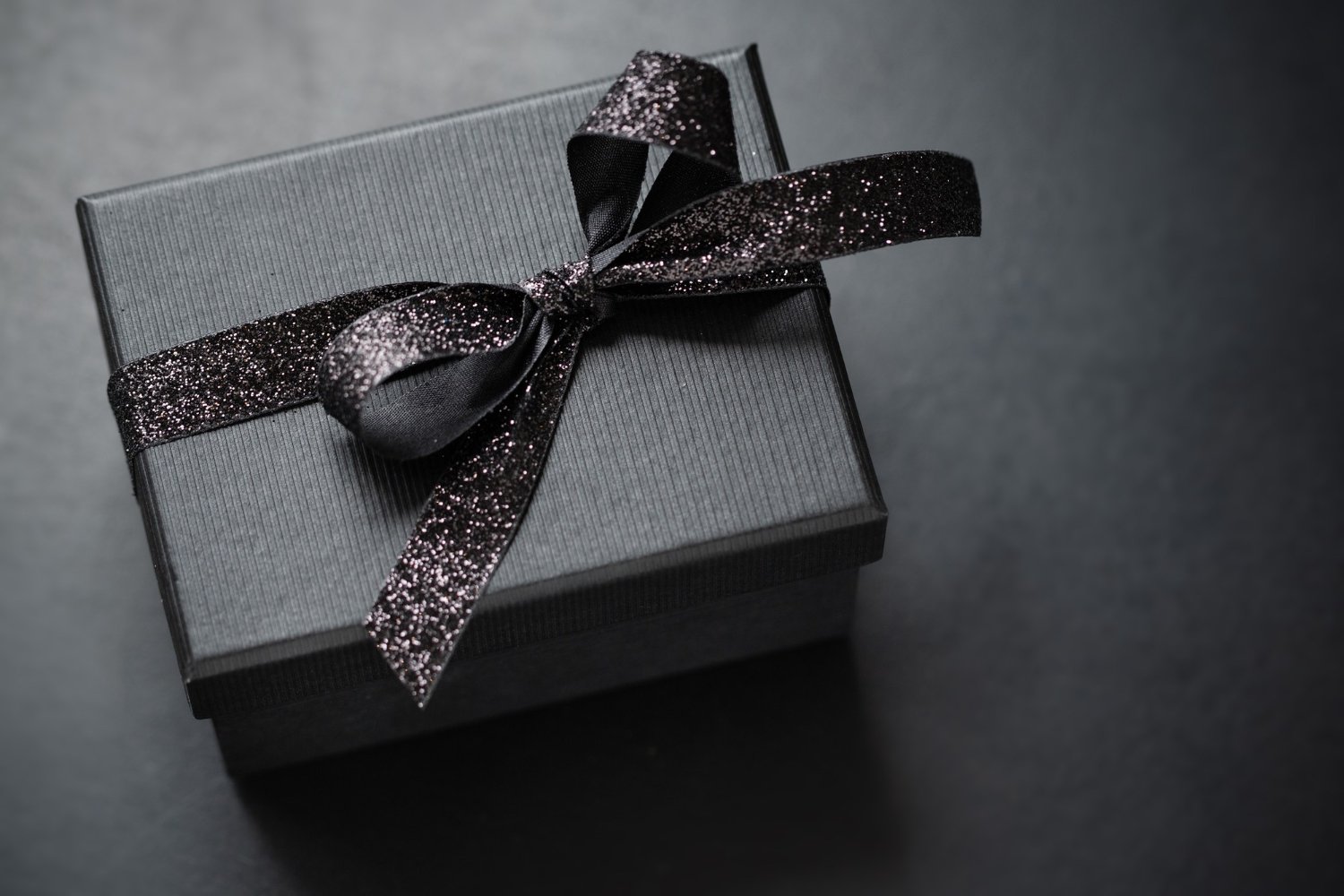
Most gifts are designed to be enjoyed in the moment. A keepsake is different: it gathers meaning over time. It gets moved from house to house, pulled out during big life updates, and quietly earns a place in someone’s story.
So how do you choose a gift that won’t just be appreciated, but kept? The good news is you don’t need an extravagant budget or a once-in-a-lifetime occasion. You need intention, a little strategy, and an understanding of what actually makes people attach to objects.
Start with the story, not the shopping
Before you browse, pause and ask one question: What memory, milestone, or relationship is this gift meant to represent? Keepsakes work when they act like a “bookmark” in someone’s life—an object that reliably brings them back to a feeling.
Anchor the gift to a specific moment
The most treasured items tend to be tied to a clear chapter:
- A new home (first set of “grown-up” pieces, a keyring, a door plaque, a framed print of the neighbourhood)
- A career milestone (promotion, first client win, retirement)
- A relationship marker (anniversary, long-distance friendship, new baby)
- A personal turning point (graduation, recovery, a fresh start)
When you tie the gift to a moment, you’ve already increased its chances of becoming a keepsake. You’re giving them a cue for remembrance, not just an object.
Consider how they’ll use it in real life
Practical items can absolutely become keepsakes—sometimes more reliably than decorative ones—because they’re seen and handled daily. The trick is picking something that fits their routines. If they travel, think luggage tags or a compact travel accessory. If they host, consider a serving piece or barware. If they’re sentimental but minimal, choose something small and beautifully made rather than something that demands shelf space.
Choose craftsmanship that can survive the years
A keepsake has to last long enough to earn emotional weight. That means materials and construction matter more than novelty.
Look for “aging well” materials
Certain materials pick up character instead of damage:
- Solid wood with a good finish (it develops warmth rather than looking tired)
- Leather that patinas
- Metals like stainless steel, brass, or sterling silver that can be polished
- Quality ceramics or glass with a timeless silhouette
On the flip side, anything overly trend-led, flimsy, or hard to maintain risks becoming clutter. If the recipient has to baby it, they’ll eventually store it away.
Around this point in the process—when you know the type of item and you’re judging quality—it helps to browse curated collections rather than endless marketplaces. A well-edited retailer can make it easier to find pieces that feel substantial and personal without crossing into gimmicky. For example, you can explore personalised and occasion-led options at Bluestreak Gifts as a way to sense what styles and formats work for different milestones.
Personalisation: the difference between meaningful and “too much”
Personalisation is powerful, but only when it’s done with restraint. The goal is to make the recipient feel seen—not to turn the gift into a billboard of names and dates.
Decide what the personalisation should do
There are three good reasons to personalise:
- Identification: “This is yours.” (Initials on a wallet or keyring.)
- Commemoration: “This marked a moment.” (A date, a place, a short line.)
- Connection: “This is us.” (An inside reference only the two of you understand.)
Anything beyond that can start to feel performative. If you’ve ever seen an engraving that reads like a formal certificate, you know what I mean.
What to engrave (and what to avoid)
A simple formula: keep it short enough to be read in one breath. Think initials, a date in a clean format, coordinates, or a four-to-six-word line.
Avoid overly generic phrases unless they’re genuinely “theirs.” The internet has flattened a lot of sayings into clichés. A quick way to check: if it’s something that could be printed on any mass-produced mug, it’s probably not what makes your gift a keepsake.
Design for their future, not just their present
Keepsakes last because they still “fit” years later. This is where timeless design quietly beats trend.
Pick a classic form with a personal twist
A practical approach is to choose a classic object type, then customise it lightly. For instance:
- A minimalist piece of jewellery with a discreet engraving
- A well-proportioned frame with a meaningful photo (and a note explaining why that photo matters)
- A simple desk accessory for someone who’s building a career legacy
- A tradition-starting item—like an annual ornament—if you know they enjoy rituals
If you’re unsure about their style, neutral shapes and materials tend to age better than statement patterns.

Presentation matters more than people admit
A keepsake isn’t only the object. It’s also the moment of receiving it—and the explanation that comes with it.
Pair the gift with a “why” note
If you do nothing else, add a short handwritten note that answers: Why did I choose this, and what do I hope it represents? That note often gets saved along with the item, and it anchors the sentiment long after the wrapping paper is gone.
A smart move: include care instructions if the item needs them (how to clean, polish, or store it). It shows thoughtfulness, and it increases the odds the keepsake remains in good condition.
A quick keepsake checklist (use it before you buy)
If you’re deciding between two options, run through this once:
- Is it tied to a specific story or moment?
- Will it hold up physically for years?
- Does it fit their daily life or home without forcing a style change?
- Is the personalisation subtle and specific (not generic)?
- Will they know why you chose it (via a note or context)?
- Would it still feel relevant five years from now?
If you can answer “yes” to most of these, you’re not just buying a nice gift—you’re creating the conditions for a keepsake.
The quiet truth about treasured gifts
The most meaningful gifts rarely shout. They don’t rely on surprise alone, and they don’t need to be expensive to be profound. What makes them last is the intersection of durability, relevance, and a clear emotional thread.
So the next time you’re gift-hunting, don’t ask, “What should I get?” Ask, “What do I want them to remember?” Choose something that can carry that memory with grace. That’s how ordinary objects become the things people keep.