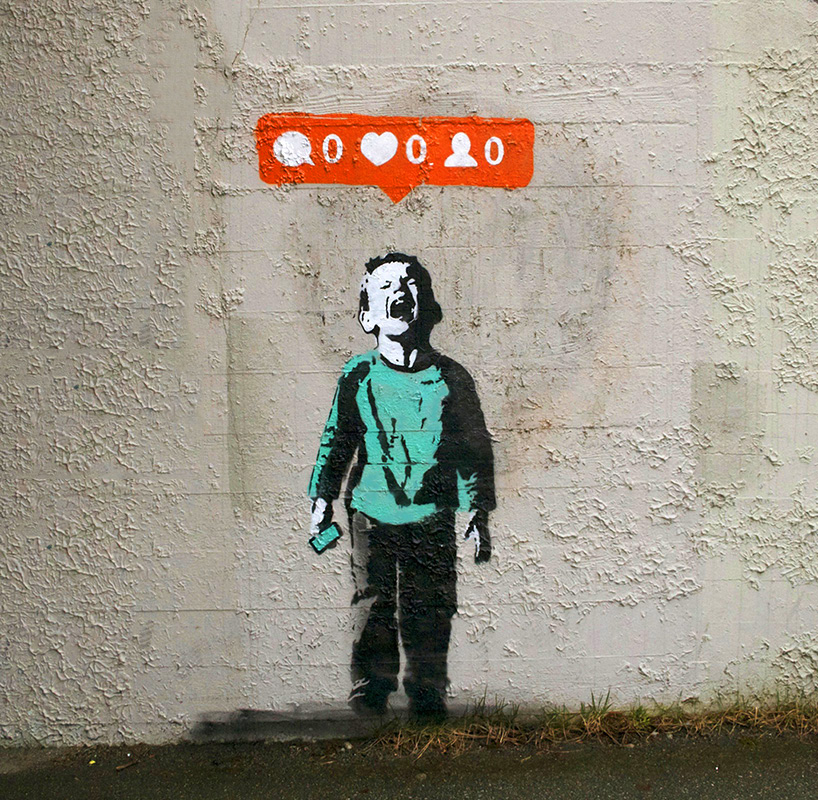
As of December 2025, Australia’s government enacted a sweeping law: no users under 16 allowed on major social-media platforms like TikTok, Instagram, YouTube or Snapchat. The ban is justified under mental-health pretexts, but its consequences ripple far beyond an app wipe — it’s a cultural blackout for an entire generation’s creative voice.
Young creators — meme-makers, first-time photographers, teenage musicians, visual artists — suddenly lose access to the instant broadcast medium that turned bedrooms into studios. The global mesh of digital youth culture, heavily reliant on constant connectivity and shareability, just lost one of its main arteries.
Global brands, entertainment pipelines and micro-celebrity economies are already scrambling. Platforms may try to reroute with VPNs, age-verification workarounds, private-group bubbles — but the ban has already sent a message: youth expression isn’t welcome, unless filtered, controlled, and curated.
We’ve seen a similar rush for subversive expression in the past — for instance in the surreal-realist artworks discussed in Pawel Kuczynski’s satirical political commentary

— where art becomes resistance. If social media vanishes, art will not. It will mutate, hide, adapt.
Because creativity never dies — only the platforms do.