Modern architecture focuses way more on connection than separation these days. Homes aren’t designed as closed shells shutting out nature anymore. They get shaped to invite it in instead. This shift reflects people wanting balance between comfort and openness, where interior spaces feel tied to outdoors without losing function or privacy. Designers explore ways to soften boundaries and let light and air play active roles in daily living. This mindset shows up in regions like Suffolk County, New York, where the natural environment strongly influences how homes are designed.
This approach doesn’t rely on dramatic gestures. It builds through thoughtful details, making transitions feel natural. Materials and layouts, plus openings are chosen to create continuity between inside and outside. The result is architecture feeling calmer and more adaptable while aligned with how people actually live. Even in areas with seasonal changes, this design philosophy keeps shaping how homes evolve.
Natural Light Changes How Spaces Feel
Natural light plays a big role in blurring boundaries between interior and exterior spaces. When daylight flows deep into a home, it changes how rooms get used. Spaces feel larger and warmer while feeling more connected to surroundings. Architects prioritize larger openings and well-placed windows that follow the sun’s movement through the day.
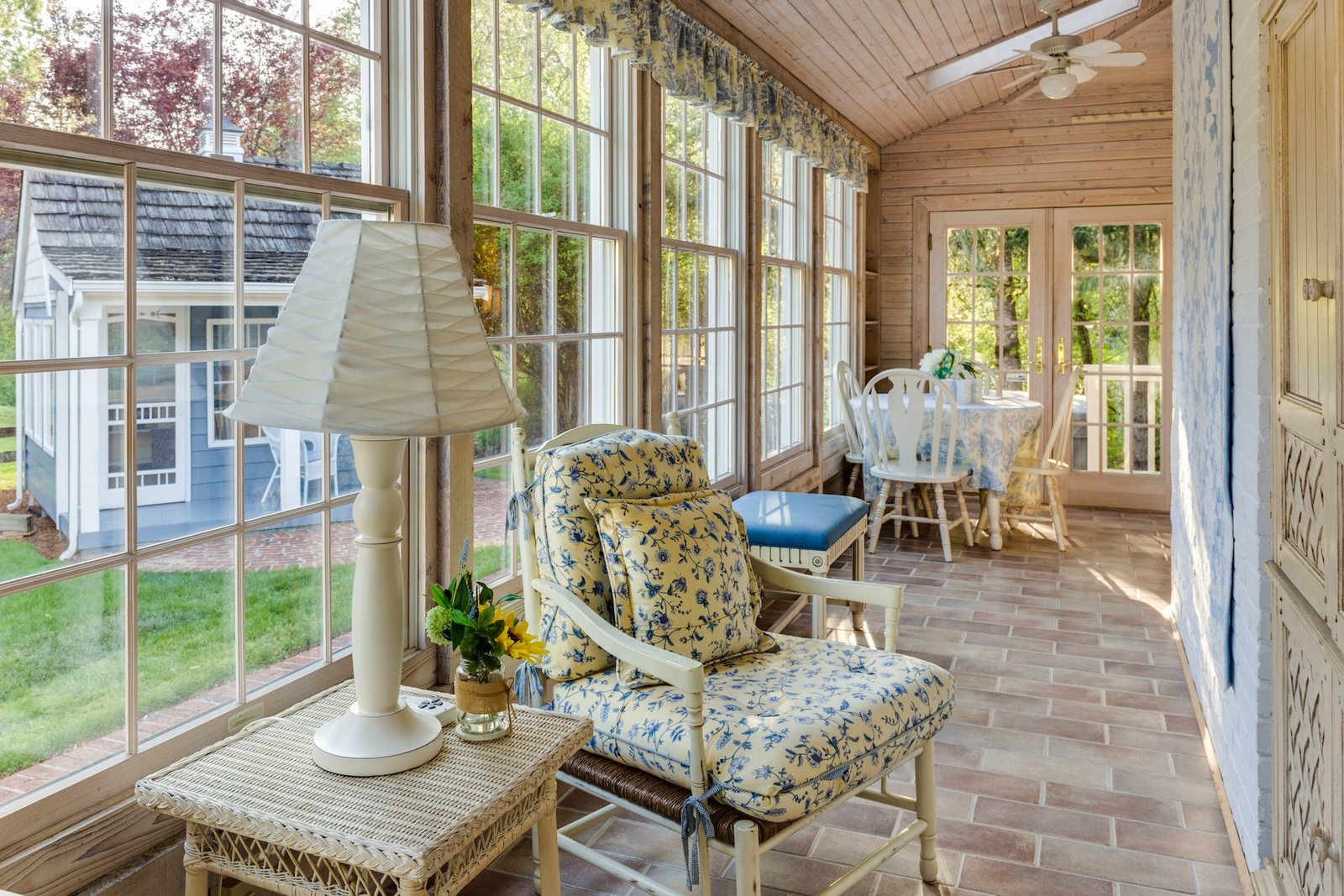
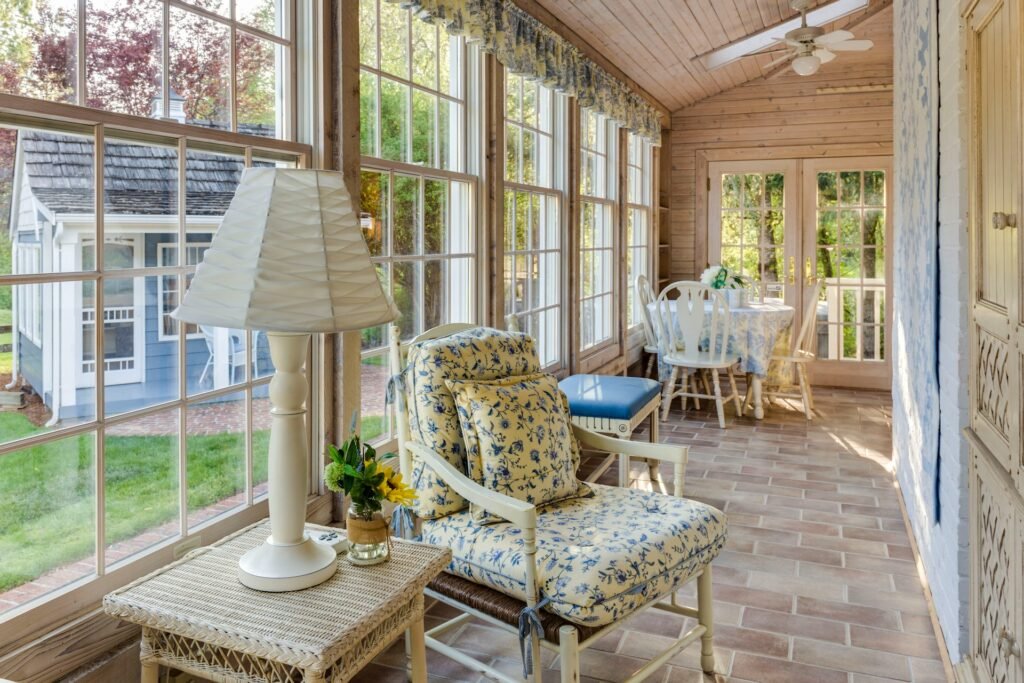
Sunrooms became a natural extension of this idea. They create transition zones where people enjoy outdoor views while staying protected from the weather. These spaces often become gathering spots or quiet retreats because they offer comfort without isolation. Being surrounded by light encourages relaxation and awareness of time and weather.
In areas blessed with abundant natural light, Suffolk County sunrooms are a familiar feature, reflecting a clear preference for spaces that welcome daylight while remaining comfortable throughout the year. When designed well, these rooms feel integrated rather than tacked on, they become natural extensions of the home and show how light itself softens boundaries between indoor and outdoor living.
Wide Openings Create Flow
Another trend is using wide openings that let interior spaces extend outward. Large doors that slide or fold away create smooth connections between living areas and outdoor spaces. When open, these features let rooms expand visually and physically and turn patios into extensions of the home.
What makes this work is proportion and placement. Openings align with key interior spaces so movement feels natural. A living room flows into an outdoor seating area while a dining space opens to a terrace. When closed, these openings still maintain a visual connection through glass even during bad weather. Activities aren’t stuck in one room, allowing daily life to shift between different spaces based on mood, season or the time of the day.
Materials Create Continuity
Material choice plays a powerful role in blurring boundaries. When similar materials get used across spaces, transitions feel smoother. Flooring that continues from inside to outside creates visual flow that guides movement.
Natural textures also work well. Stone and wood, plus neutral finishes, reflect the environment and bring calm indoors. These materials age well and develop character over time strengthening the connection between building and surroundings. Walls and ceilings support this as well. Subtle texture or tone changes define areas without hard divisions. The goal isn’t erasing boundaries but softening them so movement feels natural.
Outdoor Areas Function Like Rooms
Outdoor spaces aren’t treated as extras anymore; instead, they are designed with the same care as interior rooms. Gardens and terraces are planned to support daily activities, from relaxing to gatherings.
This changes how people experience architecture. When outdoor areas are comfortable and functional, people use them more. Thoughtful shading and surfaces, plus clear connections to interiors, make these areas welcoming. Designers create outdoor rooms that mirror indoor functions. Seating areas align with living rooms, and dining zones connect to kitchens, which shows the house extends beyond walls.
Design Responds to Climate
Blurring spaces requires climate sensitivity. Buildings must handle temperature changes, light, and airflow without complex systems. Simple strategies make big differences.
Overhangs and recessed openings control sunlight while allowing views and air. Natural airflow gets encouraged through opening placement, reducing cooling needs. These strategies support comfort while keeping openness. This respects the environment and enhances living. Spaces feel in tune with natural rhythms, creating ease and balance.
Flexible Furniture Supports Flow
Furniture and layout contribute to the flow between inside and outside. Pieces that adapt to settings support flexible space use. When styles and materials feel consistent across areas, transitions become subtle.
Layouts encourage movement rather than restrict it. Clear paths guide naturally from area to area. Seating faces outward, drawing attention to views and outdoor spaces. This flexibility lets spaces change throughout the day. Quiet mornings indoors evolve into afternoons outside without disruption. Thoughtful furniture placement also helps maintain openness without sacrificing comfort. As a result, the home feels responsive to daily rhythms and changing needs.

Privacy Without Walls
Maintaining privacy while staying connected outdoors needs balance. Modern design uses layers, not walls. Screens and plants, plus elevation changes, create separation without full enclosure.
These filter views and light rather than block them. People feel sheltered while aware of their surroundings. This respects personal space while keeping openness. The result is a home that feels secure without feeling closed off. Privacy becomes gentle rather than rigid, allowing spaces to remain inviting. This layered approach also adds visual depth and warmth to the overall design.
Technology Supports This Quietly
Technology quietly supports blurred boundaries. Lighting adjusts to natural light, keeping a consistent atmosphere from day to evening. Climate controls work with natural ventilation, supporting comfort without attention.
These systems stay unobtrusive and instead, enhance openness rather than dominate. When tech fades, the connection between interior and exterior becomes the focus. Architecture that blurs interior and exterior lines reflects the desire for meaningful environments. By embracing light and materials, plus thoughtful transitions, designers create spaces that feel alive and responsive. These homes encourage engaging with surroundings, finding comfort in openness and continuity, not separation.