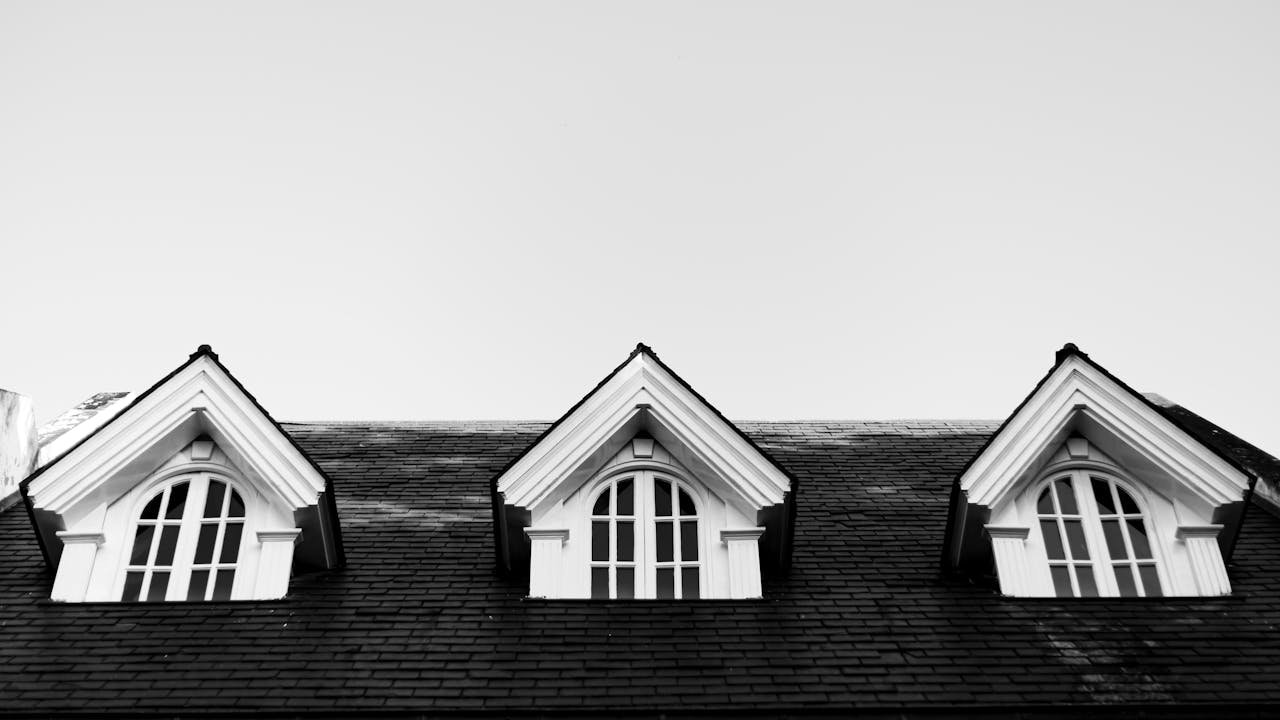
A roof does far more than cover a house. It protects the entire structure from rain, wind, humidity, and temperature changes while also shaping the property’s overall appearance. Because it covers such a large portion of a home’s exterior, the material you choose can influence curb appeal just as much as siding, windows, or landscaping. Homeowners often focus on color or style first, but durability and maintenance requirements should carry equal weight.
Choosing the right roofing material is also a financial decision. Understanding these trade-offs helps homeowners protect their budget and avoid unexpected expenses in the future. Local climate should also guide the decision. In places like Marietta, homeowners deal with humid summers, heavy rainfall, and occasional severe storms. Roofing materials must withstand moisture and fluctuating temperatures without deteriorating too quickly. A well-matched roofing system can improve energy efficiency, reduce repair costs, and protect the home for years to come.
Understanding the Challenges of Choosing the Right Roofing Material
With so many roofing options available, homeowners often find the decision more complicated than expected. Asphalt, metal, tile, slate, and synthetic products all offer different benefits, price points, and maintenance needs. Factors such as durability, energy efficiency, and structural compatibility must be considered before selecting a material that truly fits the home.
The decision becomes even more important when the existing roof has reached the end of its lifespan. Homeowners often start comparing roofing materials while also exploring professional installation options. If you are looking for services like roof replacement in Marietta, there are many experienced professionals who ensure the materials selected are well-suited to the region’s humidity, heavy rain, and occasional storms. The right combination of materials and installation methods can significantly improve the roof’s lifespan.
Asphalt Shingles: The Balance of Affordability and Variety
Asphalt shingles remain the most common roofing material in the United States for a simple reason. They offer a practical mix of affordability, reliability, and design flexibility. Homeowners can choose from a wide range of colors and textures, making it easy to complement traditional, contemporary, or craftsman-style homes.
Another advantage is the availability of improved shingle designs. Architectural shingles are thicker and more durable than older three-tab versions. They offer better wind resistance and typically last longer, often reaching 20 to 30 years when installed correctly and maintained properly.
Maintenance and repairs are also relatively simple with asphalt roofing systems. If a section of shingles becomes damaged during a storm, individual pieces can usually be replaced without disturbing the rest of the roof. This makes asphalt shingles a practical option for homeowners who want dependable protection without a large upfront investment.
Metal Roofing: Durability, Energy Efficiency, and Modern Aesthetics
Metal roofing has become increasingly popular as homeowners seek long-lasting, energy-efficient roofing solutions. Materials such as steel, aluminum, and copper provide exceptional durability and can often last 40 to 70 years when installed correctly. This long lifespan makes metal roofs attractive to homeowners planning to stay in their homes for many years.
Another major advantage is energy efficiency. Many metal roofing systems feature reflective coatings that help reduce heat absorption. This can lower cooling costs during hot summers, especially in warm, humid climates like Georgia.
Metal roofing also offers impressive resistance to severe weather. It performs well against heavy rain, strong winds, and even fire exposure. At the same time, modern design options allow metal panels to mimic the appearance of traditional shingles, slate, or tile, giving homeowners both performance and visual appeal.
Slate and Tile: Premium Materials With Timeless Appeal
Slate and tile roofing are often chosen for their distinctive appearance and exceptional durability. Natural slate is a dense stone that can last well over a century when installed properly. Clay and concrete tiles also offer impressive longevity and hold up well against harsh sunlight, heavy rain, and temperature changes.
These materials also bring a strong architectural presence to a home. Mediterranean, Spanish, and historic-style properties often feature tile or slate for their texture and visual depth. However, both options are significantly heavier than other materials, so the home’s structure must be able to support the added weight before installation begins.
Wood Shakes vs. Synthetic Alternatives: Natural Charm With Modern Resilience
Wood shakes have long appealed to homeowners who want a natural, textured appearance. Cedar is a common choice because it resists insects and decay better than many other wood types. Over time, wood roofing develops a weathered look that many homeowners appreciate.

That said, wood roofs require regular maintenance to prevent issues such as moisture damage, mold growth, or splitting. Synthetic alternatives have become popular because they replicate the look of wood while offering improved resistance to moisture, fire, and weather. Many homeowners choose these materials to achieve the traditional aesthetic while reducing long-term maintenance demands.
Climate Considerations: Choosing Materials That Handle Local Weather
Weather conditions play a major role in how well a roofing material performs. In regions with high humidity and frequent rain, materials that resist moisture damage are especially important. Some roofing systems are better equipped to handle prolonged exposure to heat and humidity without deteriorating.
Storm resistance is another critical factor. Areas that experience strong winds or seasonal storms benefit from roofing systems designed with higher wind ratings and durable fastening methods. Selecting materials suited to the local environment helps extend the roof’s lifespan and reduces the likelihood of costly repairs after severe weather.
Lifespan and ROI: Comparing Long-Term Value
Roofing materials vary widely in both upfront cost and expected lifespan. Asphalt shingles often provide the lowest installation cost but typically require replacement sooner than other materials. Metal, slate, and tile roofs require a larger initial investment but can last significantly longer with minimal maintenance.
Homeowners should consider long-term value rather than focusing only on the installation price. A roof that lasts twice as long may reduce replacement costs over time. High-quality roofing materials can also improve resale value, since buyers often view a durable roof as a sign that the home has been well-maintained.