Photo by Michael Burrows on Pexels
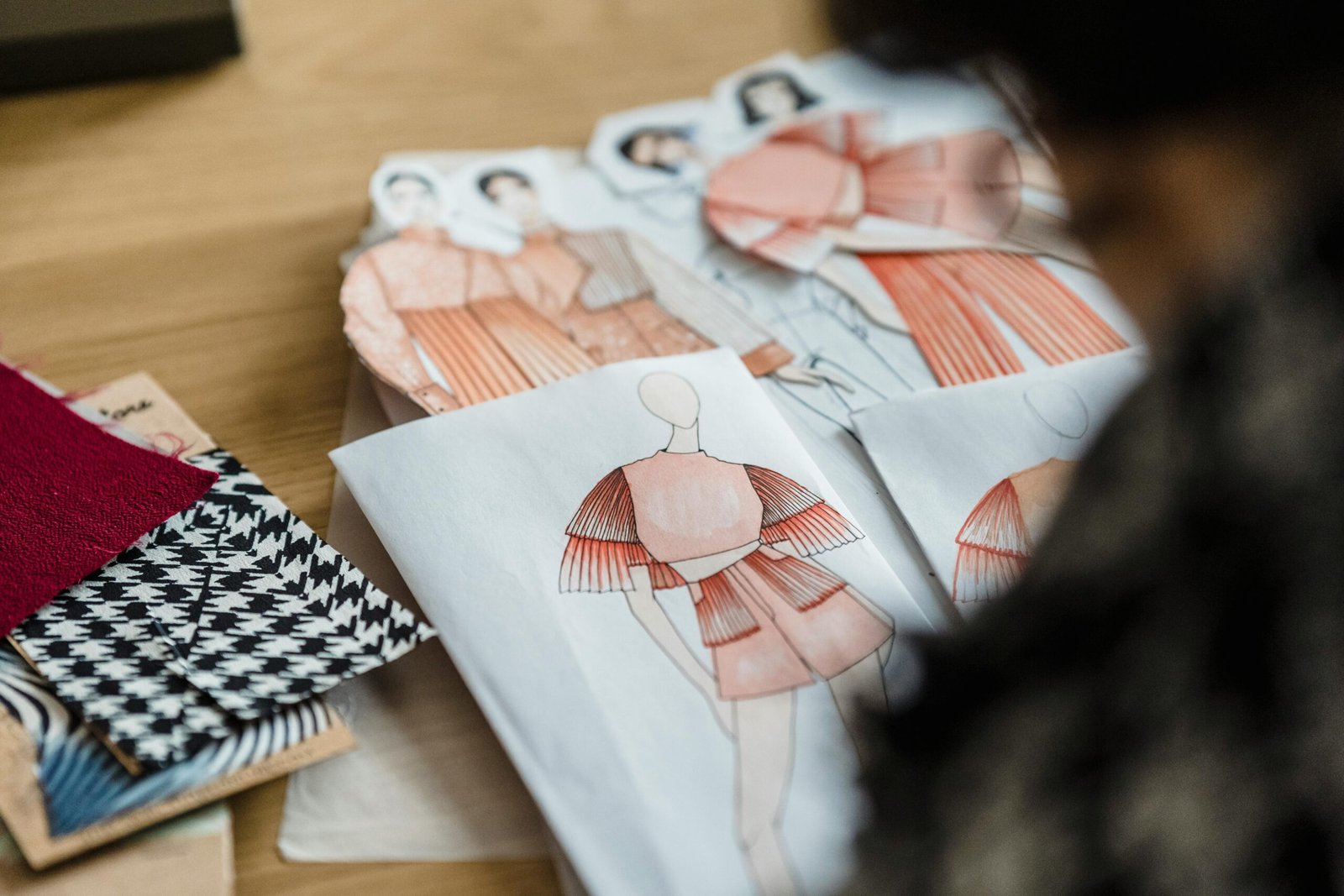
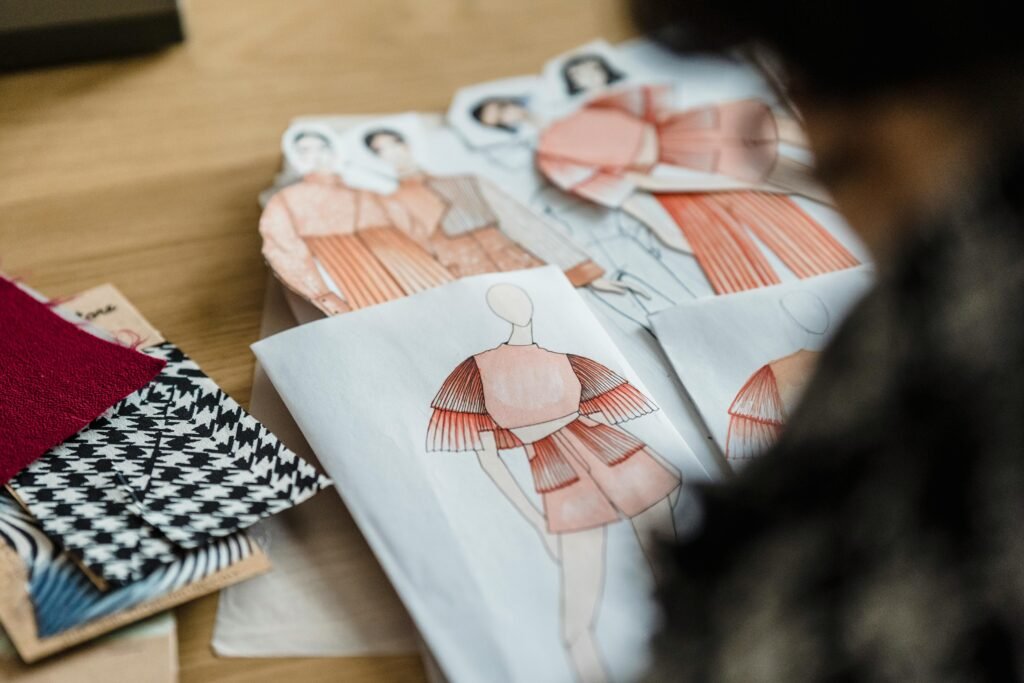
Clothes redefine modern art by serving as a medium for personal artistic expression, acting as a wearable promotional tool to amplify art events, and functioning as a canvas for meaningful creative collaboration between artists and organizations.
This shift transforms garments from mere merchandise into legitimate cultural artifacts that extend an exhibition’s lifespan. Institutions and independent creators now leverage custom apparel to engage communities and bring visual projects directly into everyday public spaces.
Something significant is happening at the intersection of fashion and fine art. What was once a clear boundary, where art belonged on walls and clothing belonged on bodies, has gradually dissolved into something far more dynamic and culturally interesting.
Custom apparel in art is no longer a novelty or a footnote in curatorial discussions. It has become a legitimate medium, a strategic tool, and a collaborative canvas that artists, institutions, and creative communities use with increasing intentionality.
1. Custom Apparel as Artistic Self-Expression
Artists have always sought materials that meet their audiences where they live. From public murals to zine culture, the impulse to move art outside institutional spaces and into everyday life is a consistent thread running through modern and contemporary practice.
Swagprint.com’s custom apparel extends this tradition in a particularly direct way. A well-designed T-Shirt or hoodie does not require a gallery ticket, a white wall, or a curatorial statement, as it simply exists in the world, worn by people who carry its meaning with them.
This shift from wearable art as novelty to intentional creative practice has accelerated meaningfully in the past decade.
Artists working in illustration, street art, graphic design, and print-based media recognize that the garment is not a lesser format, but rather a different one with its own visual logic, scale constraints, and relational possibilities.
Design choices matter here in ways that are specific to the medium. Bold typography works at a distance in a way that fine-line illustration may not. Hand-drawn motifs that feel intimate on paper become striking when repeated across a fabric surface.
Nature-inspired imagery and retro palettes have proven particularly resilient as wearable art choices, partly because they carry recognizable visual weight across different cultural contexts. Artists who treat the T-Shirt or hoodie as a dedicated format produce work that functions both aesthetically and communicatively.
Printing methods require deliberate attention and are integral to the final piece. Screen printing remains the standard for bold, flat graphics with high color consistency across a large run.
Direct-to-garment printing allows for photographic-quality detail and is well-suited to smaller batches or designs with complex gradients. Understanding which method serves a given artwork best is part of the creative decision-making process.
Consider a hypothetical street artist based in a mid-size city who releases a limited edition run of custom T-Shirts featuring their signature mural motif. Printed with attention to color accuracy and fabric weight, the shirts sell out at a weekend market within hours.
The artwork, which originally existed on a single wall visible to a specific neighborhood, now travels into coffee shops, classrooms, and social feeds, carried by different people living different lives. The expanded reach becomes the primary objective of the wearable medium.
For artists exploring this format, establishing accessible infrastructure is essential. Dedicated production platforms offer practical starting points for creators. These tools provide intuitive customization interfaces, design support, and low minimum order requirements.
This makes small-batch, high-quality runs financially viable without necessitating a large upfront commitment, allowing artists to operate outside commercial fashion structures.
The broader art world actively participates in this evolving space. Major creators treat apparel as a serious extension of a visual legacy rather than a licensing afterthought. This standard continues to filter down into independent practice in productive ways.
| Key Insight: The true power of wearable art lies in its mobility. A single custom shirt transforms a static design into a walking canvas, carrying an artist’s vision seamlessly into everyday life. |
2. How Custom Apparel Amplifies Art Events
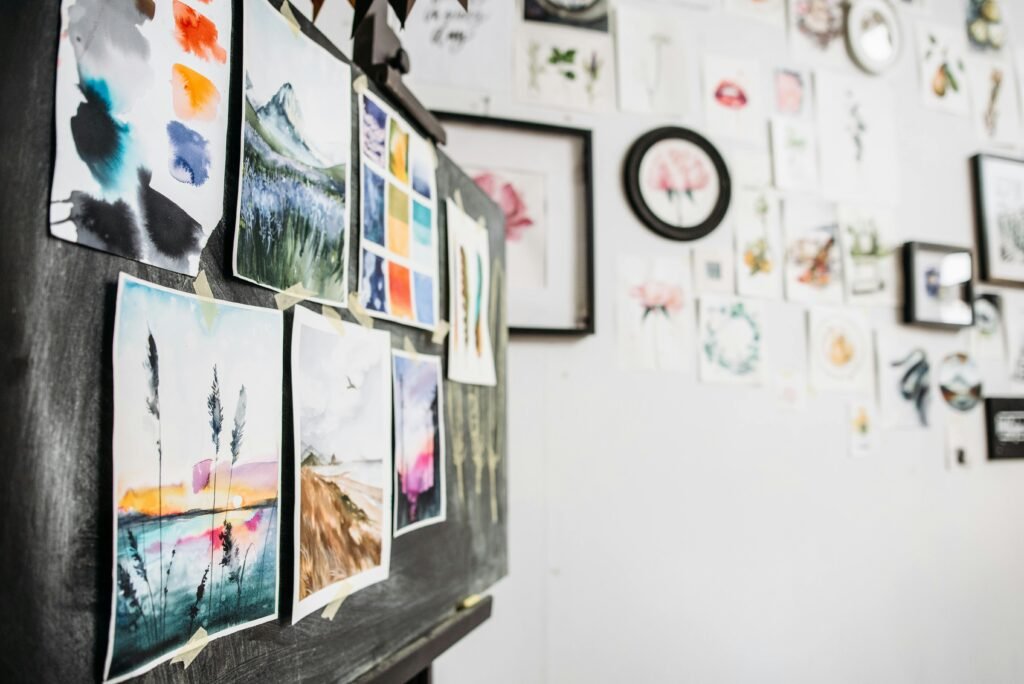
Photo by Pavel Danilyuk on Pexels
Art events frequently encounter awareness challenges. Gallery openings, pop-up exhibitions, community mural festivals, and art fair programming often reach the same recurring audience.
Custom apparel worn by staff, volunteers, and attendees represents an efficient and underutilized tool for event organizers aiming to extend that reach.
A custom T-Shirt or hoodie worn during an event establishes visual cohesion and professionalism. Staff wearing branded apparel signal the organization to arriving guests.
However, the more significant value emerges after the event concludes as a well-designed piece of promotional clothing becomes a wearable artifact that maintains the event’s presence.
Non-profits, educational institutions, and community arts organizations utilize this strategy effectively. A university art department producing branded hoodies for an annual student exhibition is building institutional identity.
This creates a collectible connection to a specific moment and generates organic visibility across the campus community in the subsequent months.
In a representative scenario, a regional museum produces an exclusive run of custom hoodies for the opening weekend of a contemporary art exhibition. Staff wear them throughout the event, and a limited batch is made available in the gift shop.
Visitors who purchase the item carry the exhibition’s visual identity into studios, workplaces, and public spaces, facilitating organic promotion with no additional media spend required. The exhibition closes, but the hoodie persists.
| Pro Tip: Treat event merchandise as a long-term marketing investment rather than a one-off expense. A thoughtfully designed hoodie turns attendees into organic brand ambassadors long after your exhibition closes. |
3. Custom Apparel and the Art of Collaboration
Some of the most culturally resonant apparel emerges from deliberate partnerships between artists and organizations that share their values. Artist collaboration clothing represents a mode of creative production distinct from conventional merchandise and traditional fine art.

High-profile examples include long-running artist collaborations within the fashion industry and partnerships with major institutions. Successful collaborations share an alignment of vision, transparency in the creative process, and genuine fidelity to the artist’s visual language.
This mode of collaboration is accessible at every scale. A non-profit arts organization can commission a local artist to design a limited-edition hoodie for an annual benefit.
A university might partner with a graduating MFA student to produce a small run of T-Shirts that serve as both merchandise and a portfolio credential.
An independent bookstore with a gallery component can create a co-branded piece with a resident artist to engage multiple communities simultaneously.
Preserving the artist’s visual language in the final product is essential. Color accuracy, fabric quality, and printing method selection determine whether a piece honors the original artwork or diminishes it.
Organizations often encounter a practical gap where translating a strong visual vision into print-ready technical files requires specialized knowledge.
| Important: Never compromise on production fidelity. Poor color accuracy or low-quality fabrics will diminish the artist’s original vision. Always partner with printers who understand the specific technical requirements of fine art translation. |
Now, Over to You
The three approaches explored here, including apparel as self-expression, event promotion, and a collaborative canvas, are interconnected expressions of a broader shift.
Clothing operates as a medium with its own reach, relational logic, and capacity to carry meaning through the world in ways that static art objects cannot.
Custom apparel in art reflects a durable rethinking of how visual work moves, finds audiences, and expresses creative identity outside the gallery.
Artists and organizations that approach this medium thoughtfully, prioritizing design quality and production fidelity, discover that a well-made garment performs cultural work that no other format quite replicates.
When planning an exhibition, a community art event, or an artist collaboration, incorporating custom apparel provides a practical way to integrate visual identity into public spaces.
Evaluating professional production partners helps ensure that creative vision and manufacturing reliability align effectively. The wall is one place for art to live. The world is another.
| Author Profile: Swagprint.com is the leading online supplier of custom promotional products for businesses and organizations nationwide. |