Have you ever considered how a painted canvas or a sculpted form could fundamentally shift the way you view your own reflection? Art has always been a powerful mirror, offering a space where we can explore our identities and confront physical changes with profound honesty.
Long before the modern wellness industry emerged, people turned to creative expression to navigate shifting self-understanding.
By engaging with these visual philosophies, individuals experiencing hair loss can discover new frameworks for reclaiming their self-image.
Confidence is not assigned at birth and distributed evenly; it is continuously made, remade, and occasionally restored. This deeply personal entanglement between creative expression and self-image reveals how we can approach physical changes with renewed agency.
Exploring the intersection of art and identity provides a powerful roadmap for rebuilding personal authority.
1. Art Mirrors Identity Back to Us
In 1938, Frida Kahlo painted What the Water Gave Me, a fever-dream canvas viewed from the perspective of a woman lying in her bathtub.
It was a deeply strange, utterly specific, and instantly recognizable exploration of memory, desire, and physical experience. Kahlo’s genius was her absolute refusal to omit the realities of her physical form.
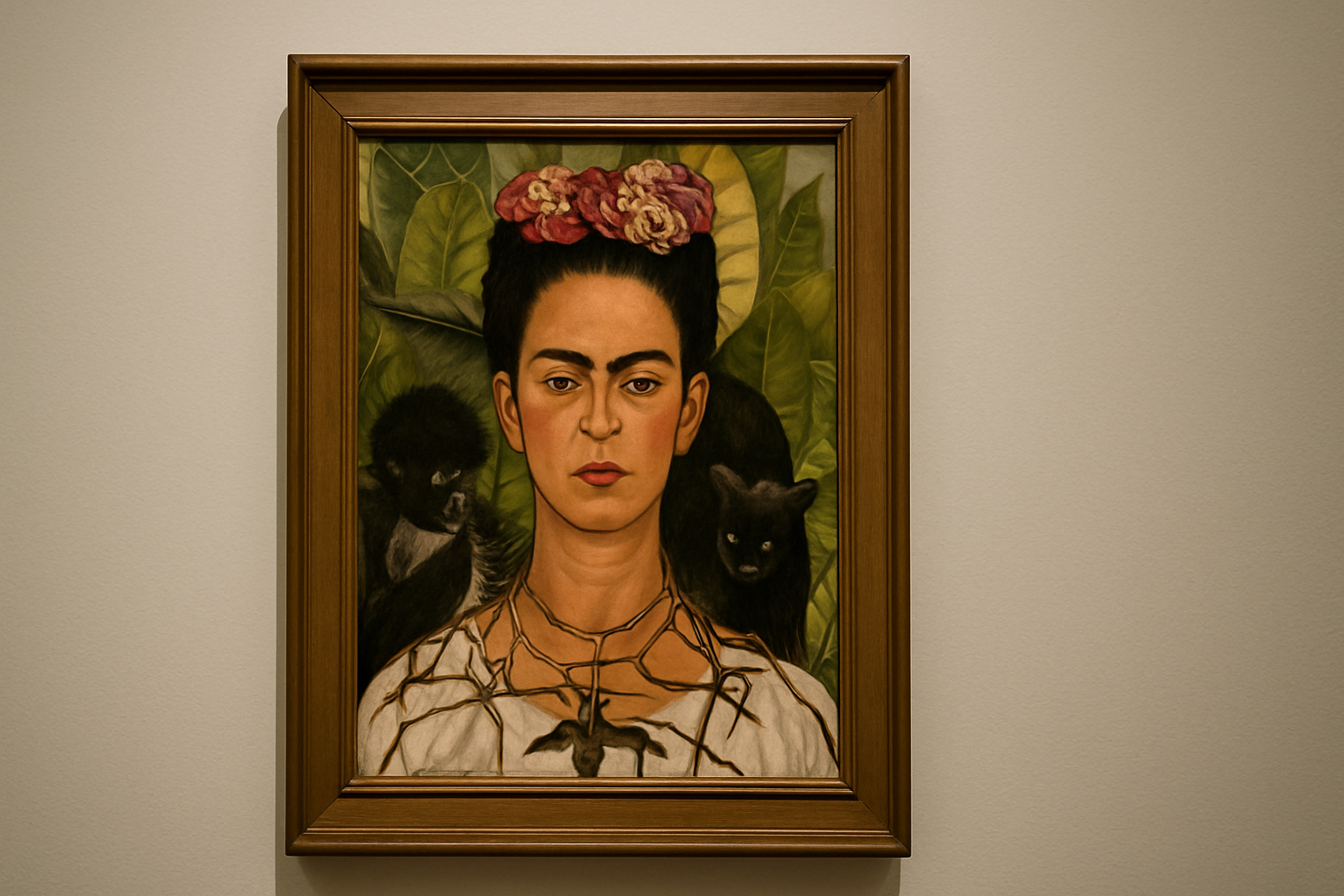
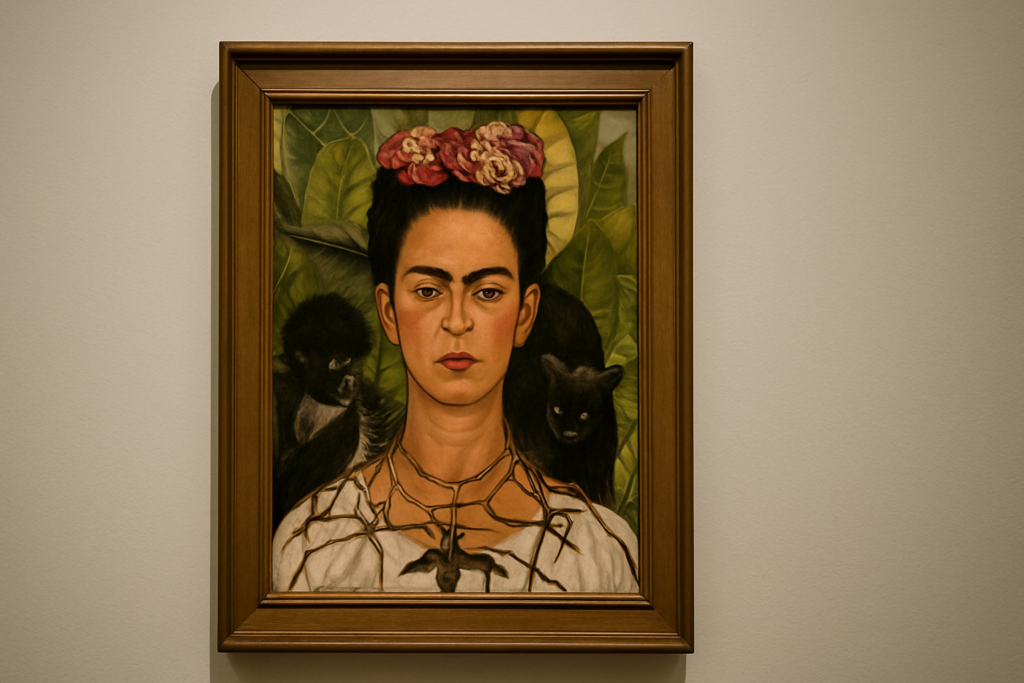
In her self-portraits, she included her unibrow, her fine upper lip hair, and the medical corsets that held her body together after a devastating accident.
At a time when feminine beauty was expected to arrive pre-edited, Kahlo submitted nothing for approval. Standing in front of that kind of art produces a surprising sense of relief. It offers quiet permission to stop hiding the parts of ourselves we have spent years managing.
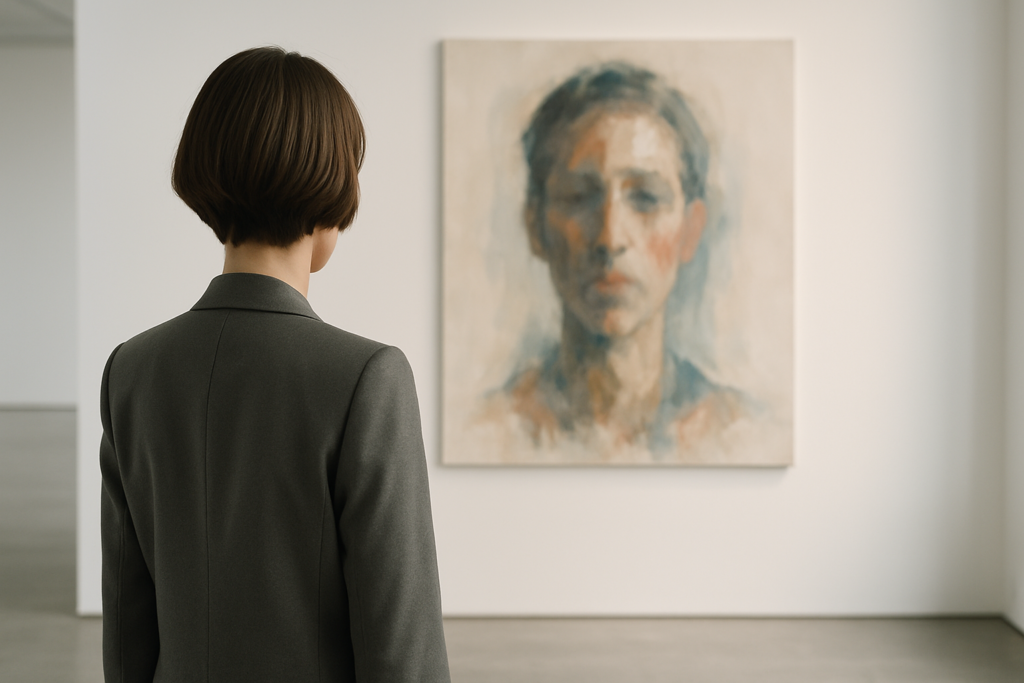
Imagine a woman navigating the disorienting stages of hair thinning who steps into a gallery. After months of thinking about how to conceal her shifting hairline, she stands in front of a Kahlo portrait and forgets to feel self-conscious. The painting looks at her without judgment, assuming she is completely worth the full attention of the frame.
This is where hair becomes part of the art of identity itself. Seeing our own reflection as something expressive rather than flawed can transform how we feel. For many, Daniel Alain’s luxury human hair wigs act as a bridge between self-perception and self-expression, allowing hair to be more than a feature; it becomes a statement of who we are.
Just as Kahlo’s paintings celebrate the totality of her form, choosing hair that aligns with our personal vision can restore confidence, helping us stand in front of mirrors and the world, without hesitation.
| Key Insight: True confidence doesn’t come from flawlessly concealing perceived flaws, but from accepting our unedited selves. Like a Kahlo portrait, you are entirely worthy of the frame exactly as you are. |
2. Art Teaches Us to Reframe Imperfection
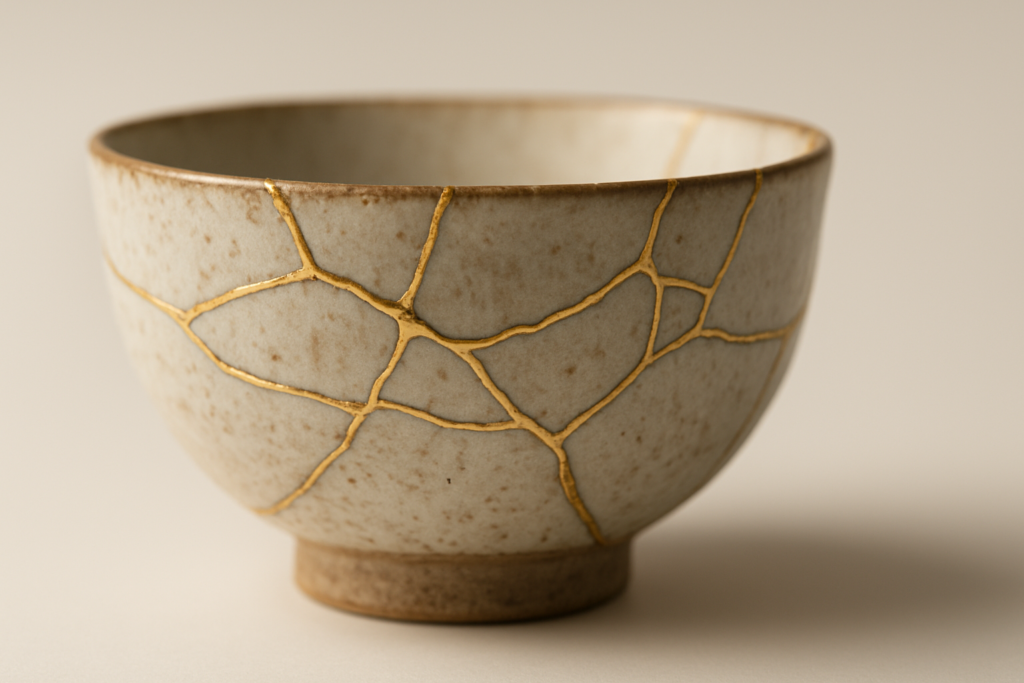
In sixteenth-century Japan, craftsmen faced with broken ceramic bowls did not reach for clear adhesive to hide the damage. Instead, they embraced a technique where repairing chipped or broken pottery using natural lacquer and pure gold powder elevated the object’s history.
The result was a stunning bowl whose gilded seams glowed brightly. This philosophy remains one of the most quietly radical approaches to navigating visual changes.
Rooted in a worldview that finds beauty in the impermanent, this golden joinery asks us to look honestly at our physical forms. It recognizes that repairing broken pottery with lacquer dusted or mixed with powdered gold, silver, or platinum transforms fractures into focal points.
A meticulously restored bowl is often considered more valuable after it has been broken and healed.
Hold that image alongside the experience of navigating sudden physical changes like hair loss. Illness, aging, and the gradual shift in how a body presents itself to the world can be incredibly disorienting. For many individuals, significant hair thinning arrives as a profound rupture that interrupts their familiar narrative of self.
Embracing the ancient Japanese art of putting broken pottery pieces back together doesn’t offer false comfort by suggesting the breaking never happened.
Instead, it offers a powerful reframe where the story of a thing prominently includes its repair. A person who chooses to reclaim their appearance is authoring their next beautiful chapter through deliberate artistry.
| Quote: “Choosing to reclaim your appearance after hair loss is not an act of erasure or hiding. It is your own personal practice of Kintsugi. You are deliberately authoring your next beautiful chapter.” |
3. Art Lives in the Details and So Does Mastery
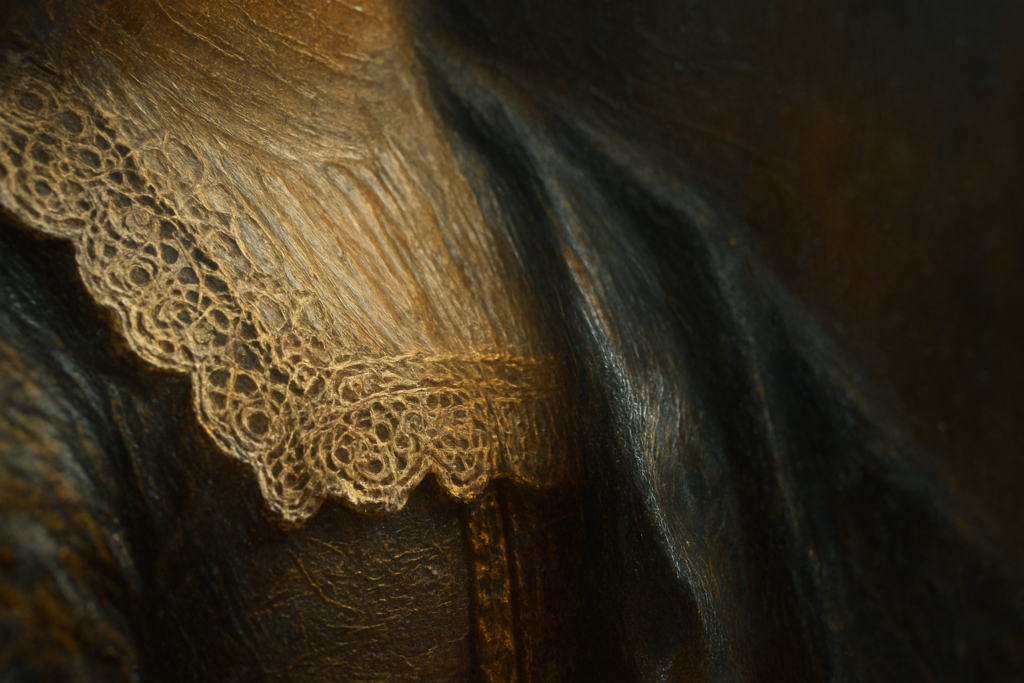
There is a moment, standing close to a Vermeer painting, when you realize you cannot tell how the work was done. The fall of light across a delicate collar and the barely perceptible transition from illuminated skin to shadow appear completely effortless.
As you move closer, Vermeer’s invisible mastery deepens rather than dissolves. The craft disappears seamlessly so that the truth of the image can remain front and center.

This exact standard of invisible mastery is what separates a true masterwork from a standard reproduction. It requires a particular devotion to meticulous detail that refuses to stop short of perfection.
The finest wearable artistry relies on beautifully selected materials and delicate cap construction designed to replicate natural growth. When hairlines are undetectable, the craft is not meant to announce itself to the world.
The emotional outcome of that level of masterful craftsmanship is the profound experience of recognizing yourself again. It is not a performance of confidence or a careful arrangement of angles designed to minimize what has changed. Instead, it is a quiet, powerful moment of complete self-recognition.
Imagine preparing for a significant occasion after spending months learning to navigate the gap between who you feel you are and your reflection. When that gap finally closes, you look in the mirror and are simply present, fully and unhesitatingly yourself. That moment extends far beyond cosmetics to become an authentic act of self-authorship.
| Pro Tip: When evaluating luxury hair solutions, prioritize invisible craftsmanship. Look for premium European human hair and hand-tied caps that flawlessly replicate natural movement, allowing the artistry to completely disappear into reality. |
The Path Forward
Art has always known what we sometimes forget during seasons of physical transition and personal doubt.
Identity is never fixed, beauty does not conform to a single shape, and confidence is actively created rather than passively assigned. Kahlo demonstrated that our unedited selves are entirely worthy of being seen directly.
The tradition of golden joinery showed us that what has been thoughtfully repaired can shine brighter than what was never broken.
Meanwhile, the invisible devotion pioneered by classical masters proved that the highest form of artistry disappears seamlessly into realness. The question worth sitting with is how you might approach your own self-image with the generosity of an artist.
For those navigating hair loss who feel the pull of these aesthetic philosophies, the invitation to explore remains open. Delve into the intersection of creative expression and personal identity to find solutions that resonate with your unique journey.
The ultimate goal is never to perform a mere version of yourself, but to embrace the beautiful reality that was always true.
| Author Profile: Daniel Alain is the leading manufacturer and supplier of premium European human hair wigs and toppers for women experiencing hair loss. |